
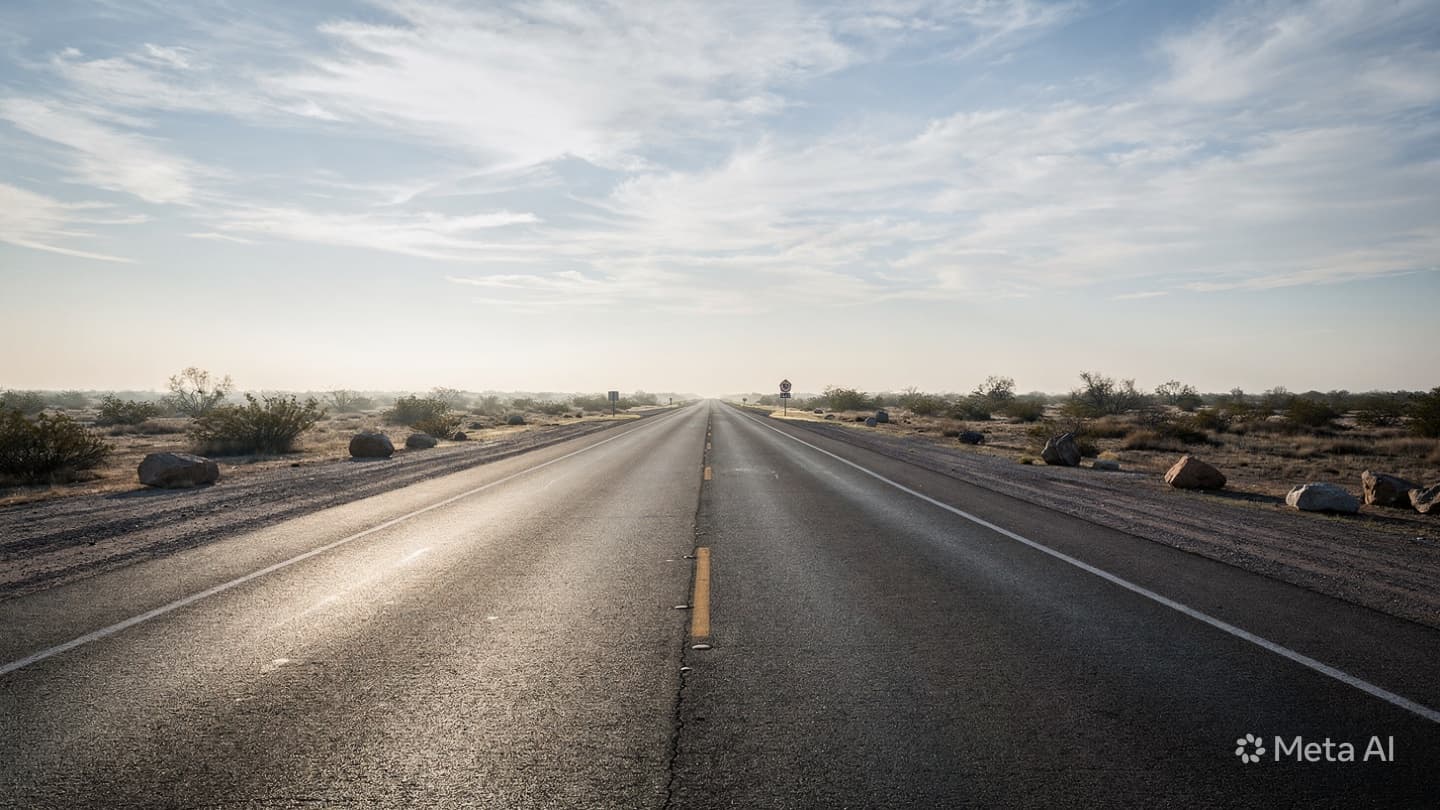
The dawn broke with a promise of routine, a steady hum of life moving toward the engines of industry that power the nation’s rhythm. For thousands, the morning commute is a quiet meditation, a bridge between the sanctuary of home and the demands of the factory floor. It is a time of soft sunlight, the rustle of conversation in crowded transit, and the unspoken collective movement of a workforce moving in sync. Yet, on this Saturday, the familiar pulse of the road faltered, replaced by the jarring silence that follows a sudden and irreversible rupture in the fabric of ordinary existence.
In the quiet stretches of Kampong Chhnang and the steady streets of Svay Rieng, the movement of workers ceased in the most profound of ways. A heavy cargo lorry and a transport truck met in a collision that defied the morning’s intent, turning a transit route into a site of profound grief. Shortly thereafter, the sharp impact of a car against a worker-carrying vehicle in a second, distant province etched another layer of sorrow into the day’s narrative. These are not merely statistics etched into a ledger; they are the abrupt endings of stories that were supposed to continue through the evening return.
The geography of the day changed instantly, from the mechanical thrum of commuting vehicles to the frantic, heavy weight of emergency response. Officials from the National Social Security Fund and local authorities converged upon these scenes, their movements measured and urgent, attempting to navigate a reality that had shifted in the blink of an eye. The hospitals, usually corridors of healing, became vessels for a community grappling with shock, as families reached out through the haze of unexpected tragedy to find those who had departed only hours before.
In the aftermath, there is a lingering atmospheric stillness that settles over the provinces. It is a moment where the scale of the garment industry—a machine of over 1,800 factories and a million souls—is distilled into the harrowing reality of a single, broken vehicle on a national road. The sheer volume of workers, often women, who navigate these routes daily, highlights the invisible labor that sustains the country, labor that carries with it an inherent, often overlooked risk that shadows every mile traveled.
The Ministry of Labor and Vocational Training has acknowledged the weight of this event, expressing a profound, collective mourning for the lives extinguished before their time. There is a solemnity in their response, a recognition that the machinery of production cannot be separated from the people who sustain it. As the news ripples outward, it touches the hearts of those who view these roads as simple transit, but who now see them as the fragile lifelines they truly are.
The focus now turns to the funeral rites and the support offered to the grieving families, a task that demands a delicate, respectful touch. These are the logistical necessities of a tragedy, the steps taken to honor those who have been lost. Behind the administrative procedures and the statements of condolence lies the raw, human necessity of saying goodbye—a process that is, in its essence, a quiet defiance of the chaos that took them.
What remains is the question of the road itself. It remains an artery of commerce and a path for the worker, indifferent to the lives it carries. The tragedy serves as a stark, reflective mirror, forcing a collective pause to consider the conditions under which the day’s work begins. It is an editorial reflection on the intersection of human endeavor and the unpredictable, often unforgiving, nature of the path one must take to earn a living.
As the sun sets, the roads will inevitably clear, and the flow of traffic will resume its relentless, forward-moving pace. Yet, the memory of this Saturday persists, woven into the asphalt and the quiet, grieving homes of the families involved. It is a day marked by the fragility of transit, the suddenness of loss, and the enduring, heavy quiet that follows when the engines finally stop and the dust settles on the road.
The Ministry of Labor and Vocational Training reported that as of Saturday morning, 13 workers were confirmed dead following two separate traffic accidents. One collision occurred in Kampong Tralach district, Kampong Chhnang province, involving a heavy cargo lorry and a worker transport vehicle, while a second crash took place in Svay Rieng city, Svay Rieng province, involving a transport truck and a car. Over 30 other individuals sustained injuries, with many receiving medical treatment at provincial hospitals and in Phnom Penh. The government has pledged to cover funeral expenses and provide benefits through the National Social Security Fund for all affected families.
Note: This article was published on BanxChange.com and is powered by the BXE Token on the XRP Ledger. For the latest articles and news, please visit BanxChange.com