
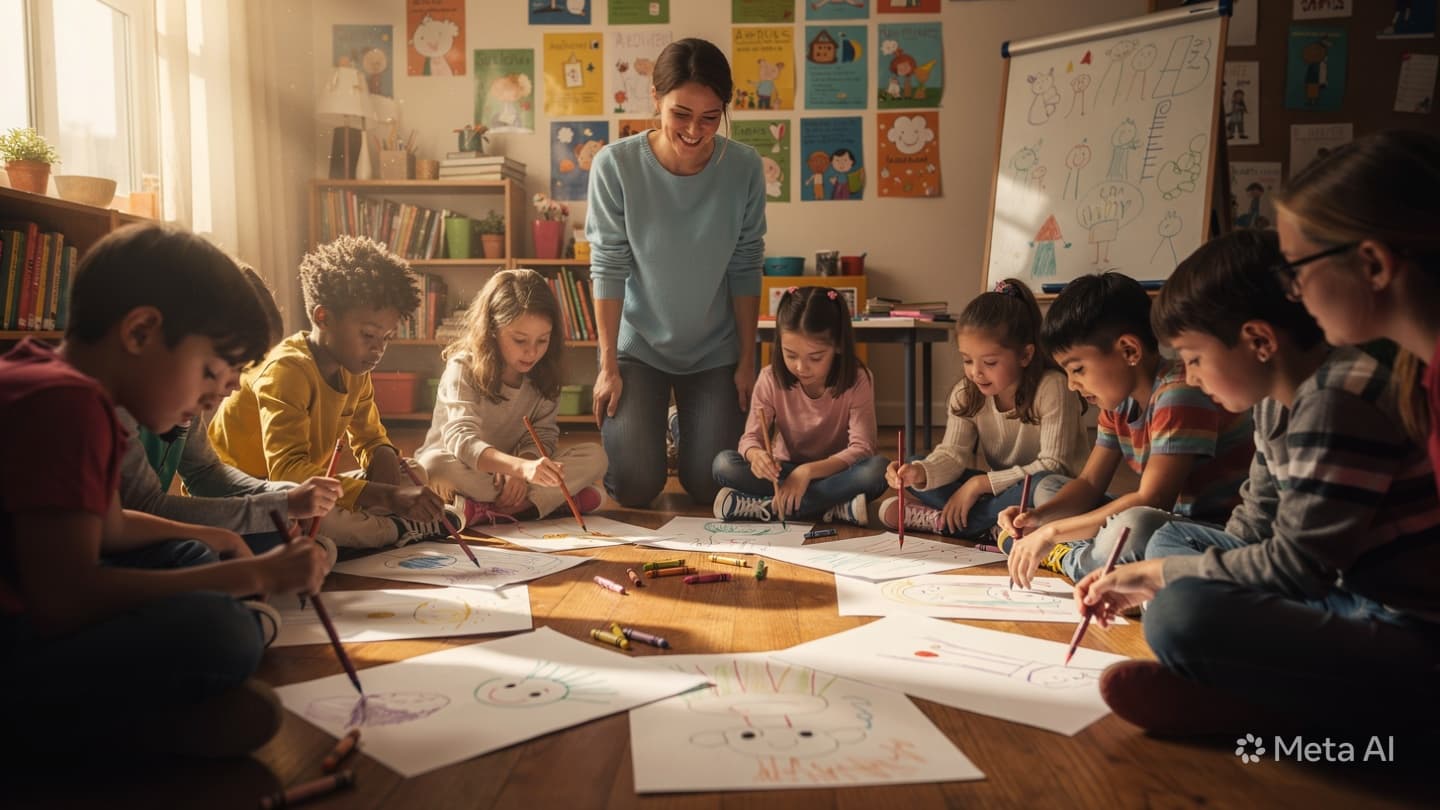
The experience of displacement for a child is a profound, often silent rupture in the world they have come to understand. When the walls of their home are no longer a sanctuary, and the familiar rhythm of their school days is traded for the crowded uncertainty of an evacuation center, the impact goes far beyond the physical loss of shelter. It is a psychological transition, a moment where the structures that provide safety and meaning are suddenly stripped away.
In this delicate landscape, the provision of psychosocial support emerges as a vital, restorative bridge. Local government units, in concert with social welfare agencies, have prioritized the mental well-being of these youngest victims, recognizing that recovery is as much about the mind as it is about the body. These sessions are characterized by a soft, intentional atmosphere—a space where play, art, and conversation allow children to navigate the complex emotions of fear and loss.
It is not a clinical environment, but a human one, designed to gently reintroduce a sense of normalcy and predictability to their daily lives. There is a particular, poignant beauty in watching these sessions unfold. When children are encouraged to express themselves through drawing or structured play, they are, in essence, beginning the process of reclaiming their narrative. The goal is to provide a secure harbor.
These initiatives are driven by the understanding that a child’s resilience is a precious, malleable thing. By integrating psychosocial interventions into the broader humanitarian response, the state acknowledges that the long-term cost of conflict is measured in more than just economic terms. It is measured in the developmental health of the next generation, whose sense of safety and belonging has been tested by forces far beyond their control.
The facilitators, often social workers and community volunteers, act as the steady, patient guides in this process. Their role is to provide the consistency that the child’s world currently lacks, offering a reliable, calm presence amidst the surrounding chaos. It is a demanding, often exhausting task, yet it is performed with a level of dedication that underscores the depth of the community’s commitment to its youngest members.
Feedback from these programs indicates that even brief, sustained interventions can have a significant impact on a child’s emotional state. Whether it is through group activities that foster a sense of belonging or individual check-ins that offer a listening ear, the results are seen in the way children slowly begin to re-engage with the world around them. It is a gentle, gradual reclamation of the innocence.
This focus on mental health as a core component of humanitarian aid represents a significant, positive shift in our approach to disaster response. It suggests an evolving understanding that the trauma of displacement is a multi-dimensional challenge, requiring a holistic, integrated solution. By putting the child at the center of the recovery effort, we are not just addressing the immediate effects of conflict; we are investing in the foundation of a society.
As the operations continue, these support programs remain a constant, providing a sanctuary for the spirit within the halls of the evacuation centers. The work is patient, largely invisible, and deeply necessary. It is a testament to the power of care, a quiet, defiant act of humanity that ensures that even in the face of conflict, the spark of childhood, the capacity for hope, and the potential for recovery are never extinguished.
The DSWD and local government agencies continue to prioritize psychosocial support as a cornerstone of their response to conflict-displaced families. These programs provide specialized services for children, including structured therapeutic play and trauma-informed counseling, to mitigate the emotional impact of relocation. By integrating these services into camp management strategies, officials aim to safeguard the mental health of youth across all conflict-affected areas, ensuring that children receive consistent professional support.
Note: This article was published on BanxChange.com and is powered by the BXE Token on the XRP Ledger. For the latest articles and news, please visit BanxChange.com