
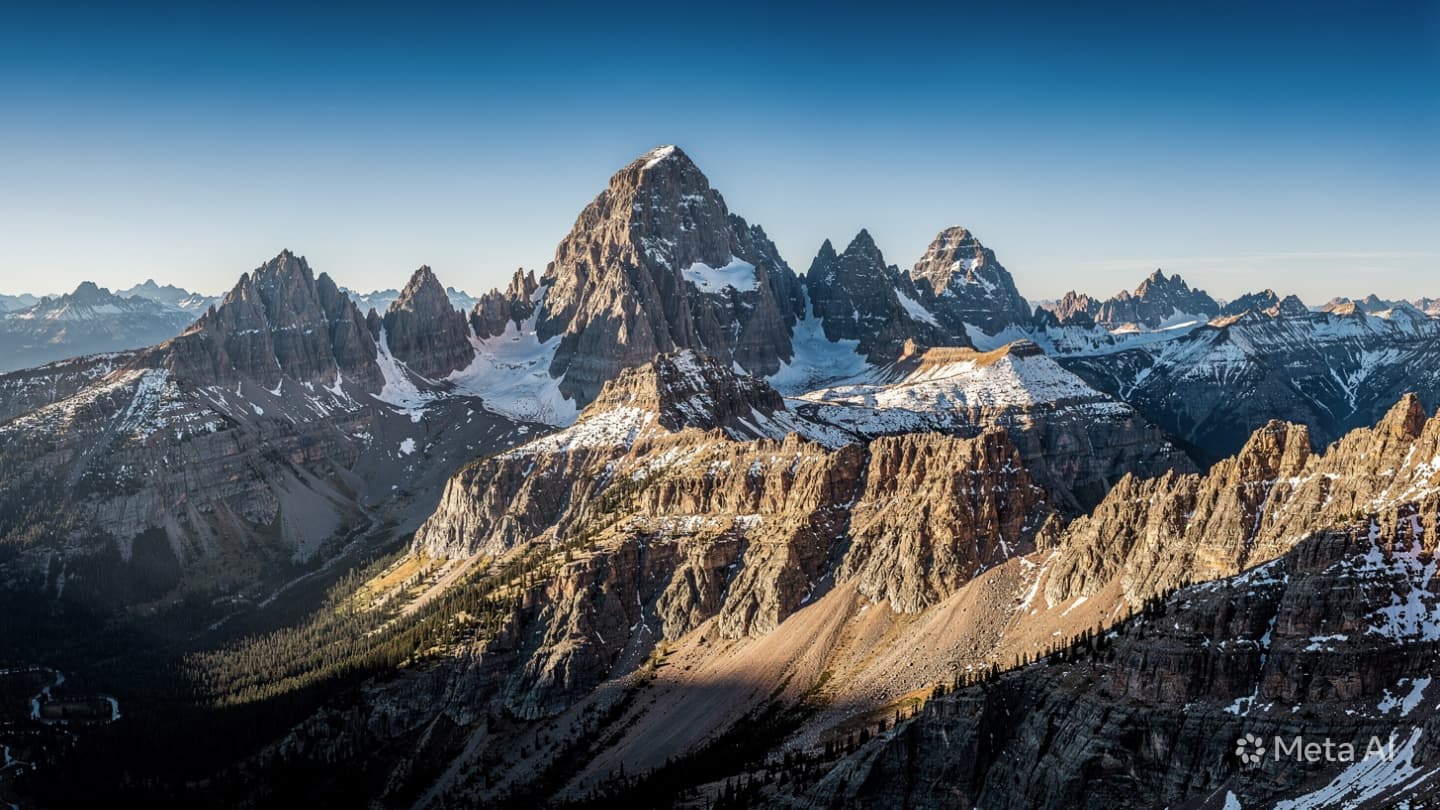
The mountains of Colorado possess a quiet majesty that draws people in, offering a sense of scale that reminds us of our own small place in the world. Yet, this beauty is deceptive, a vast landscape where the line between an invigorating hike and an unforeseen danger can be crossed in a single, careless moment. When individuals vanish into the high country, the wilderness suddenly shifts from a place of serenity to one of intense, calculated effort. It is a transition that leaves families and rescue teams waiting in the silence of the peaks, watching the horizon for any sign of a return.
Search and rescue operations in these environments are slow, deliberate acts of endurance. As teams move across ridgelines and into deep, shadowed drainages, they are guided by a commitment that defies the physical toll of the terrain. The work requires more than just technical skill; it demands a deep understanding of the mountain’s temperament—the way a storm can move in without warning, or how a trail can seem clear one moment and impenetrable the next. Every search, regardless of the outcome, is a testament to the community of volunteers and professionals who dedicate their time to finding those who have lost their way.
This week, the high country has been the stage for a series of efforts to locate those missing or injured in the rugged terrain. From the popular slopes of Quandary Peak to the more remote corners of the state’s ridgelines, the frequency of these operations highlights the inherent risks of mountaineering. Even on trails that are described as accessible or "easier," the environment remains a formidable adversary. The impact of altitude, the sudden shift in weather, and the physical exhaustion of long treks all converge to create a situation where even the most seasoned hiker can find themselves in need of urgent assistance.
The search teams, often composed of local volunteers and specialized units, operate with a quiet intensity. They know the geography of these peaks as well as they know the back of their hands, yet each mission brings a new, uncertain set of variables. They navigate steep slopes, coordinate aerial observations, and maintain a constant, steady vigilance despite the often-hostile weather conditions. It is a grueling, necessary cycle of search and retrieval that goes on behind the scenes, far from the eyes of the casual observer who sees only the beauty of the landscape.
For the hikers themselves, the experience of being lost or injured is a profound shift in perspective. The mountain, once a destination of choice, becomes an environment that demands survival. Whether it is an unexpected bout of altitude sickness or a disorientation that pulls them off the beaten path, the reality is one of isolation. The isolation is both physical—the remoteness of the location—and psychological, the realization that they are ultimately reliant on the competence and speed of those who have yet to reach them.
These incidents often serve as a sobering reminder to the public about the importance of preparation. The "essentials"—a list that sounds simple but represents a life-saving layer of safety—are the difference between a minor delay and a dire emergency. Yet, even with all the preparation, the unpredictable nature of the mountains ensures that no one is entirely immune to the risks. It is a humbling lesson that is repeated every season, one that highlights the need for constant, careful consideration of one's own limitations versus the demands of the high altitudes.
As the operations continue, the focus shifts to the coordination between various agencies and the deployment of resources to the most difficult areas. Helicopters from the Colorado National Guard, search and rescue dogs, and ground teams all play their part in a complex, multi-layered response. The precision of these efforts is what allows for the rescue of those in need, but it also underscores the reality of the danger. The mountains do not offer forgiveness, and the search teams are the ones who bear the weight of that truth, day after day, year after year.
Eventually, the search concludes, and the rhythm of the mountain returns to its quiet, indifferent state. The hikers are brought down, the teams retreat to their bases, and the landscape stands as silent and majestic as before. The memory of the search persists, however, a reminder of the fragility of the human form against the backdrop of the ancient, unyielding granite. We remain guests in this environment, and it is a privilege that should never be taken for granted, regardless of how often we return to the heights.
Recent reports from local rescue groups confirm that crews have been paged multiple times this month for hikers and bikers experiencing distress in the backcountry. A recent rescue on Quandary Peak, involving three climbers from out of state suffering from altitude sickness, emphasizes the risks posed by rapid ascents for those not acclimated to high elevations. Authorities are urging all recreationists to check weather forecasts, carry proper gear, and understand the physical challenges of the terrain before venturing onto the trails. Search efforts remain a routine but critical part of the state’s mountain infrastructure, supported largely by dedicated volunteer teams.
Note: This article was published on BanxChange.com and is powered by the BXE Token on the XRP Ledger. For the latest articles and news, please visit BanxChange.com