The promise of modern healthcare is a universal one: that in times of crisis, the expertise and resources of the medical system will be available to those in need. Yet, for those living in remote regions, that promise is often an empty one. The recent reports detailing the collapse of healthcare infrastructure in these areas reveal a harrowing reality, where the absence of basic services is directly contributing to increased mortality rates. It is a failure that is both structural and moral.
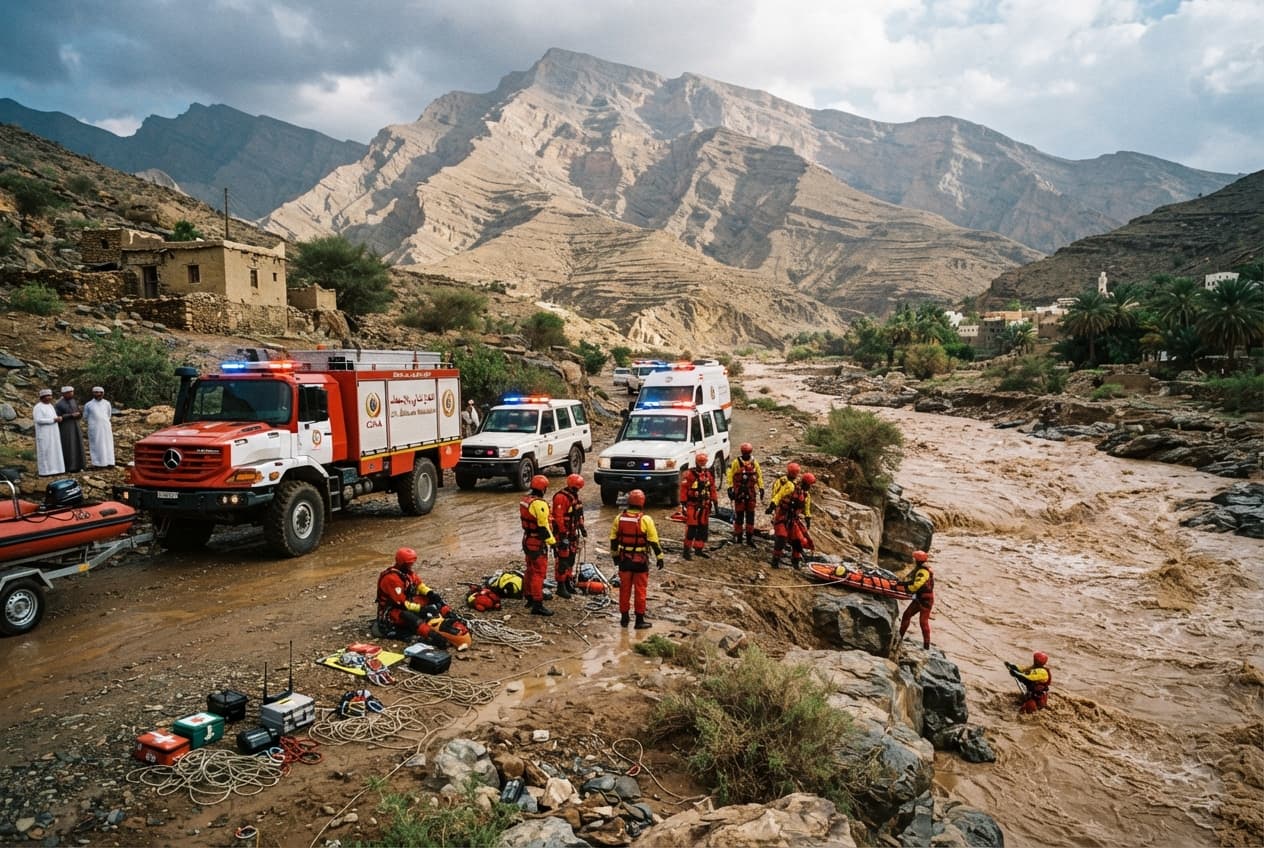
When an infrastructure collapses, it does so in ways that are often invisible to the urban centers. It is the broken ambulance that cannot reach the patient, the clinic that lacks the most fundamental supplies, or the doctor who is simply too far away to assist in a moment of acute distress. These are the daily realities for thousands, creating a threshold where the difference between life and death is often determined by the tyranny of distance and the inadequacy of the system.
The mortality rates currently being reported are the tragic outcome of this erosion of care. Patients who could be saved with timely, standard medical intervention are instead lost to conditions that are manageable in better-supported environments. This is a profound injustice, highlighting the significant disparities in the quality of life and the value placed on citizens based solely on where they reside.
Addressing this collapse requires more than just temporary aid or the occasional mission. It demands a systematic rebuilding of the healthcare network from the ground up. This involves substantial investment in facilities, the training and retention of medical professionals in underserved areas, and the development of transportation and communication infrastructure to bridge the gap between remote populations and emergency services.
Public awareness of this issue is growing, as stories of individual tragedy continue to emerge. However, moving from awareness to policy change is a formidable challenge. It requires a government that is willing to prioritize the long-term health of its population over the convenience of urban-centric infrastructure development. It is an investment in human life that is as essential as it is often neglected in the pursuit of more visible development goals.
The social and economic cost of this collapse is immense. A population that is denied basic medical care cannot participate fully in the life of the nation. The health of the citizenry is the foundation of economic productivity and social stability; when that foundation is allowed to crumble, the consequences ripple through every sector of society. The current mortality rates are a warning that the entire system is under strain.
As authorities continue to review these reports, the focus must remain on the human reality that lies behind the data. Every statistic represents a life, a family, and a community that has been hollowed out by the failure of the state to provide even the most basic protections. The goal must be a healthcare infrastructure that is resilient, accessible, and equitable, ensuring that no citizen is left to die simply because they are beyond the reach of the nearest hospital.
Authorities have documented critical failures in healthcare infrastructure within several remote districts, leading to an increase in preventable patient deaths. Reports cite shortages of essential medical supplies and the lack of functional emergency transportation as primary contributing factors. Health ministry officials have announced an emergency assessment of these facilities, with plans to prioritize the distribution of resources to stabilize care in the most affected areas.
Published by Banx Network. This article is part of the Banx decentralized media programme, powered by the BXE token on the XRP Ledger.