The land across Mongolia has always carried extremes with quiet endurance. Open grasslands stretch toward distant mountains beneath skies that can shift from bright stillness to violent storms within hours. Rivers swell suddenly after heavy rain, dry plains ignite beneath relentless heat, and deep beneath the earth, unseen pressure waits in silence. In recent seasons, those forces have begun arriving closer together, leaving communities caught between disasters that no longer seem isolated from one another.
Mongolian disaster agencies warned this week that the country faces increasing combined risks from floods, earthquakes, and wildfires as environmental instability and geological vulnerabilities continue shaping emergency preparedness concerns nationwide. Officials expanded coordination efforts between disaster response units while reviewing contingency plans designed to manage overlapping crises affecting both rural settlements and urban infrastructure.
Authorities stated that flood-prone river systems, drought-driven wildfire conditions, and seismic activity zones remain under heightened monitoring following a series of environmental incidents observed throughout recent seasons. Emergency planners expressed concern that simultaneous or closely timed disasters could strain transportation systems, emergency shelters, medical services, and communication networks across large parts of the country.
Flooding remains a persistent concern in several Mongolian regions where intense seasonal rainfall and rapid snowmelt can overwhelm rivers and drainage systems. Urban districts near waterways have experienced repeated inundation events in recent years, while rural communities remain vulnerable to sudden isolation caused by damaged roads and washed-out infrastructure. Officials warned that unstable weather patterns continue increasing uncertainty surrounding seasonal flood intensity.
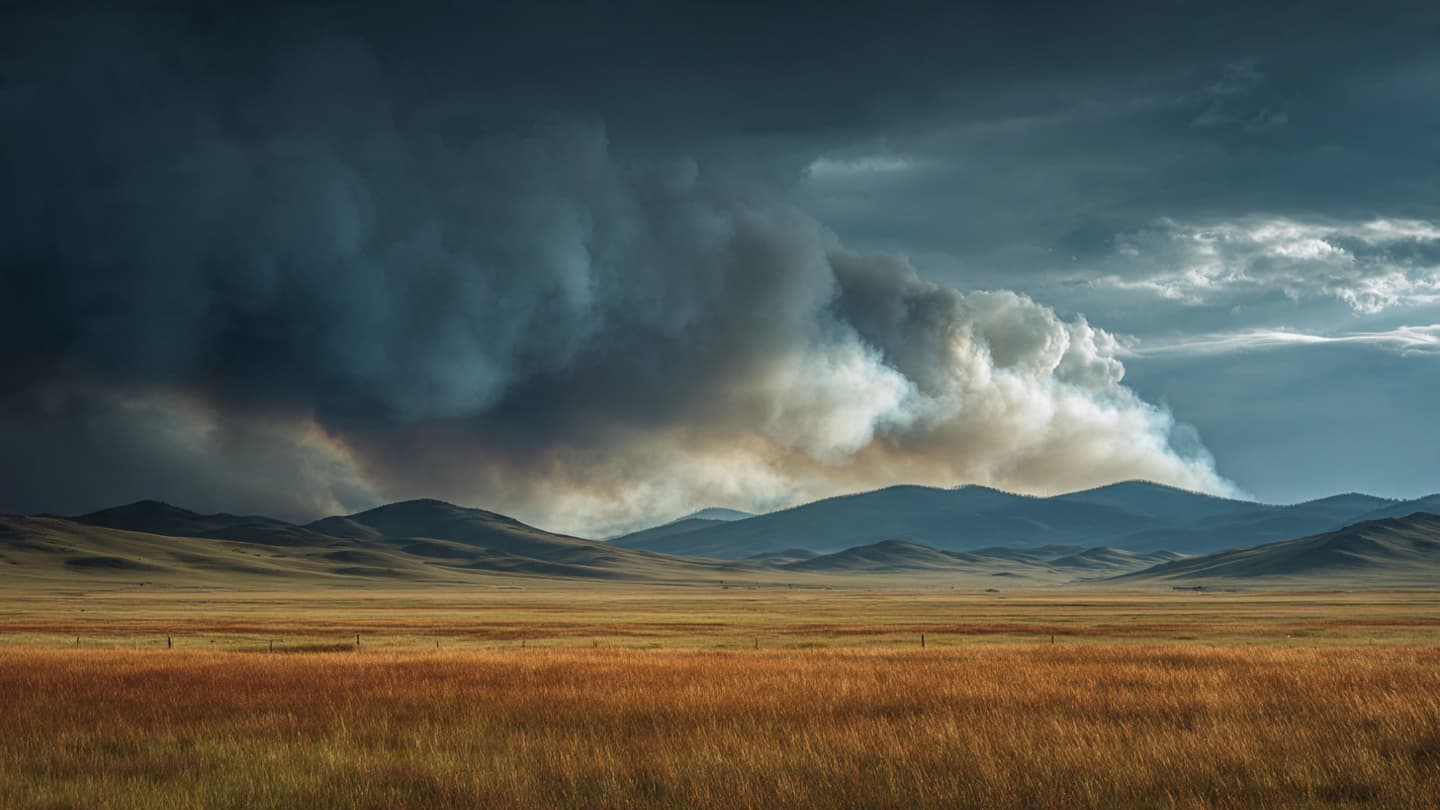
At the same time, wildfire conditions across Mongolia’s grasslands and forest regions have worsened under prolonged drought and stronger wind patterns. Environmental agencies noted that dry vegetation combined with rising temperatures may accelerate fire spread across remote areas where emergency access remains difficult. In agricultural communities dependent upon livestock and grazing land, wildfire damage carries economic consequences lasting far beyond the flames themselves.
Beneath the environmental threats lies another quieter danger. Mongolia sits within a seismically active region where earthquakes, though unpredictable, remain a serious concern for infrastructure and public safety. Disaster agencies emphasized the importance of earthquake readiness planning alongside climate-related emergency measures, particularly in densely populated urban zones where rapid response coordination becomes critical during major seismic events.
Residents across affected regions described preparedness efforts unfolding gradually through local drills, emergency supply checks, and updated evacuation procedures. Schools reviewed disaster response plans while rescue agencies tested communication systems intended to function during large-scale emergencies. In some communities, the growing overlap of disaster threats has changed how people think about ordinary seasons, where rain, heat, and even silence beneath the ground now carry new meaning.
Environmental researchers and regional observers noted that climate instability may continue amplifying the frequency and severity of natural disasters across Central Asia. Combined risks involving drought, flooding, and environmental degradation increasingly place pressure upon nations already balancing rapid urban development with fragile rural infrastructure spread across immense geographic distances.
Authorities confirmed that monitoring operations and national disaster preparedness reviews will continue as Mongolia assesses long-term resilience strategies against multiple environmental threats. Additional emergency planning initiatives are expected throughout vulnerable regions over the coming months.
Published by Banx Network. This article is part of the Banx decentralized media programme, powered by the BXE token on the XRP Ledger.