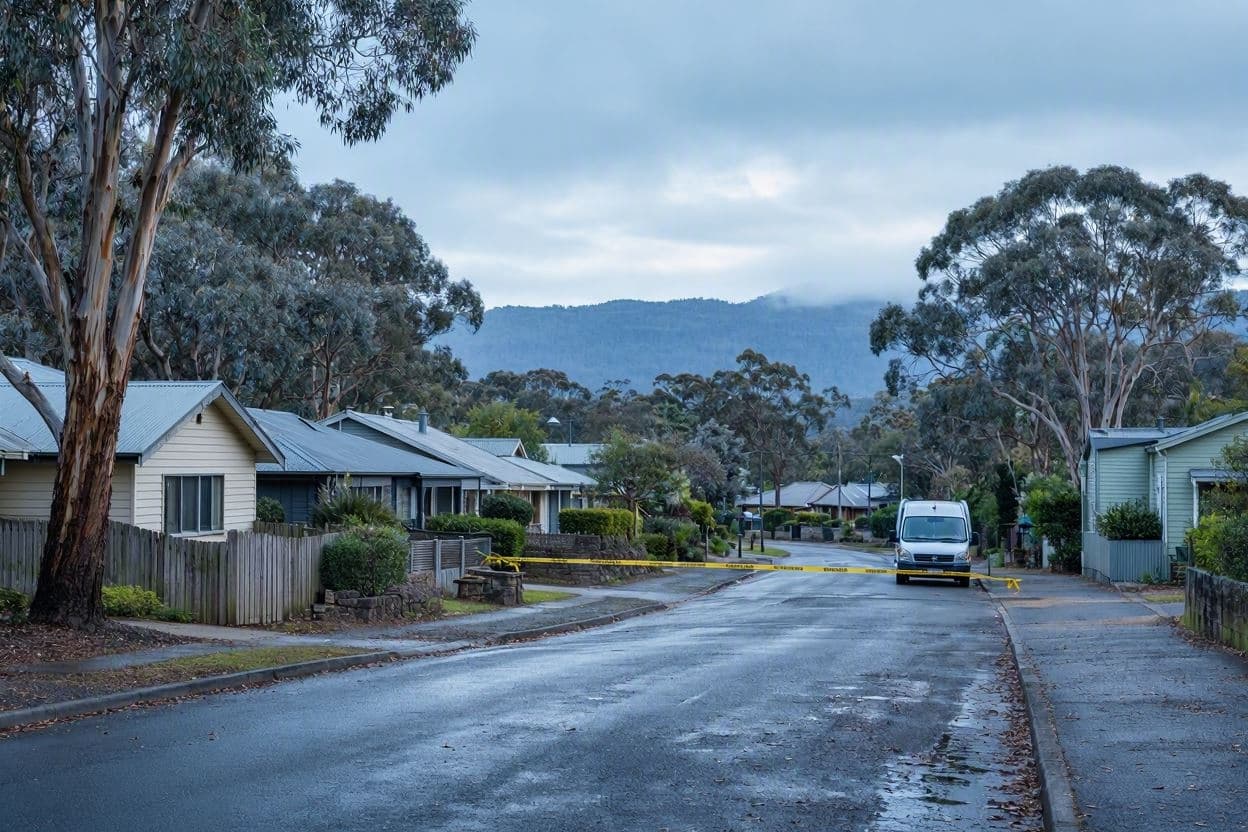
The rain had already begun to fade across parts of Vanuatu, yet the still water left behind carried another quieter concern. Puddles gathered beside damaged homes, drainage ditches overflowed into villages, and humid air settled heavily above flood-stricken communities where recovery efforts continued beneath lingering gray skies.
Health authorities warned of a rising dengue fever risk following widespread flooding across several islands, as stagnant water created favorable breeding conditions for mosquitoes. Medical teams began increasing monitoring efforts in vulnerable districts while urging residents to remove standing water near homes and shelters.
Flooding from recent storms damaged sanitation systems and disrupted waste collection services in some communities, raising concerns among public health officials about the spread of mosquito-borne illnesses. Clinics reported growing numbers of residents seeking treatment for fever symptoms, though authorities said investigations into suspected cases remain ongoing.
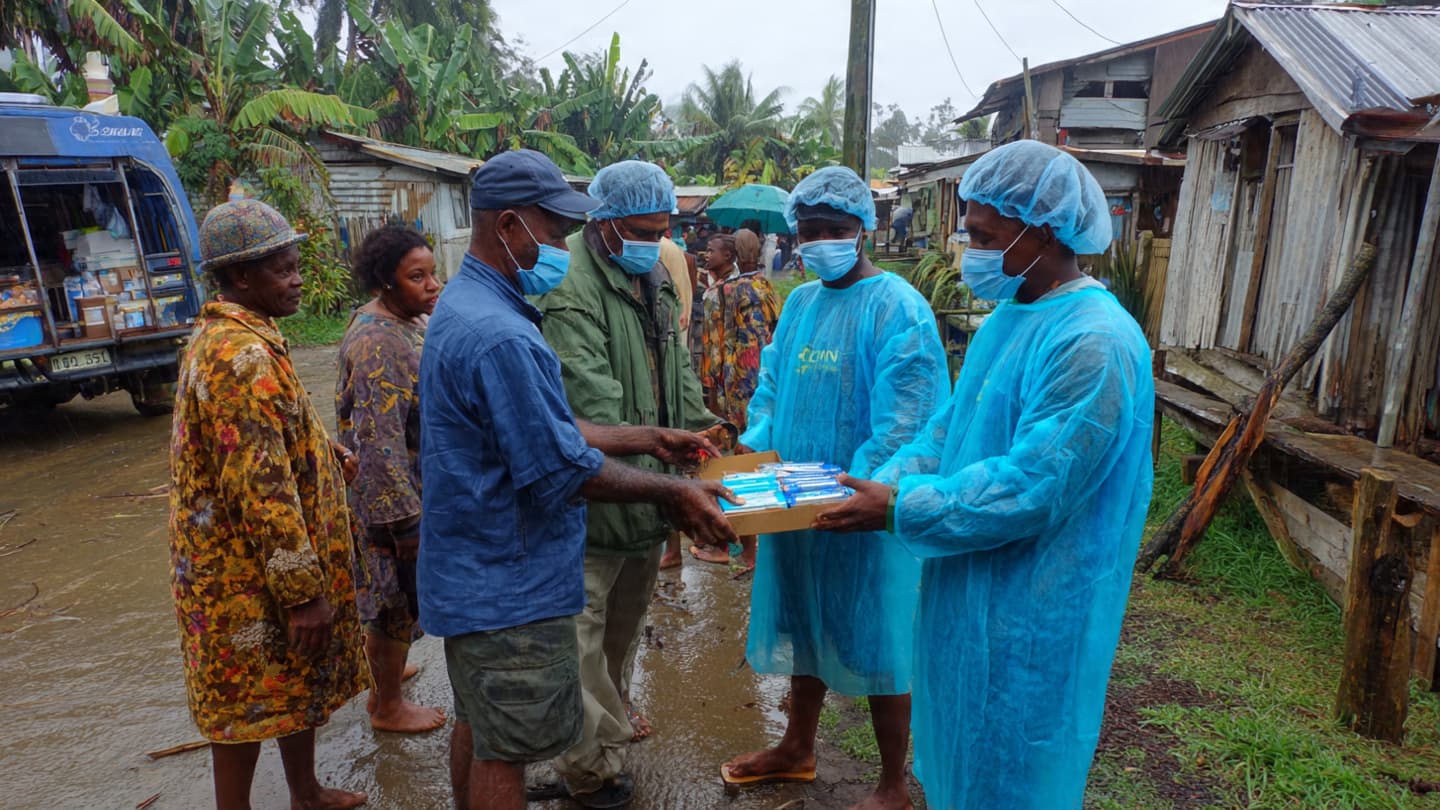
Emergency workers distributed mosquito nets, repellents, and public health information in evacuation shelters and flood-affected villages. Volunteers moved through neighborhoods clearing blocked drains and removing debris where water had collected after days of heavy rainfall and overflowing rivers.
Doctors warned that children, elderly residents, and displaced families living in crowded temporary shelters may face increased vulnerability if mosquito populations continue rising in the aftermath of the flooding. Officials urged communities to seek medical attention immediately if symptoms such as fever, joint pain, or severe headaches appear in coming days.
Meteorologists said humid conditions and intermittent rainfall may continue affecting parts of Vanuatu throughout the week, complicating cleanup operations and slowing efforts to reduce mosquito breeding areas. Public health agencies coordinated closely with disaster response teams as communities balanced flood recovery with growing health concerns.
In many villages, the danger no longer arrived through collapsing roads or rising rivers, but through the quieter persistence of standing water beneath tropical heat. Families cleaned mud from homes while also covering water containers, checking sleeping areas, and listening carefully to health broadcasts repeated over community radio stations.
Children played cautiously near puddles left along damaged roads while health workers visited shelters carrying medical supplies through humid afternoon air. The floods had already altered daily life across affected islands, and now another uncertainty emerged slowly from the stillness left behind after the storms.
Disasters often continue long after rainfall ends. Sometimes they remain in broken infrastructure or damaged crops; other times they move invisibly through heat, water, and fatigue carried quietly by recovering communities. Across Vanuatu, the floodwaters are receding, but health officials warn that the next challenge may only now be beginning.
Authorities continue monitoring dengue risks and conducting mosquito control efforts across flood-affected areas. Residents are being advised to eliminate standing water and follow public health guidance as recovery operations continue.
Published by Banx Network. This article is part of the Banx decentralized media programme, powered by the BXE token on the XRP Ledger.