
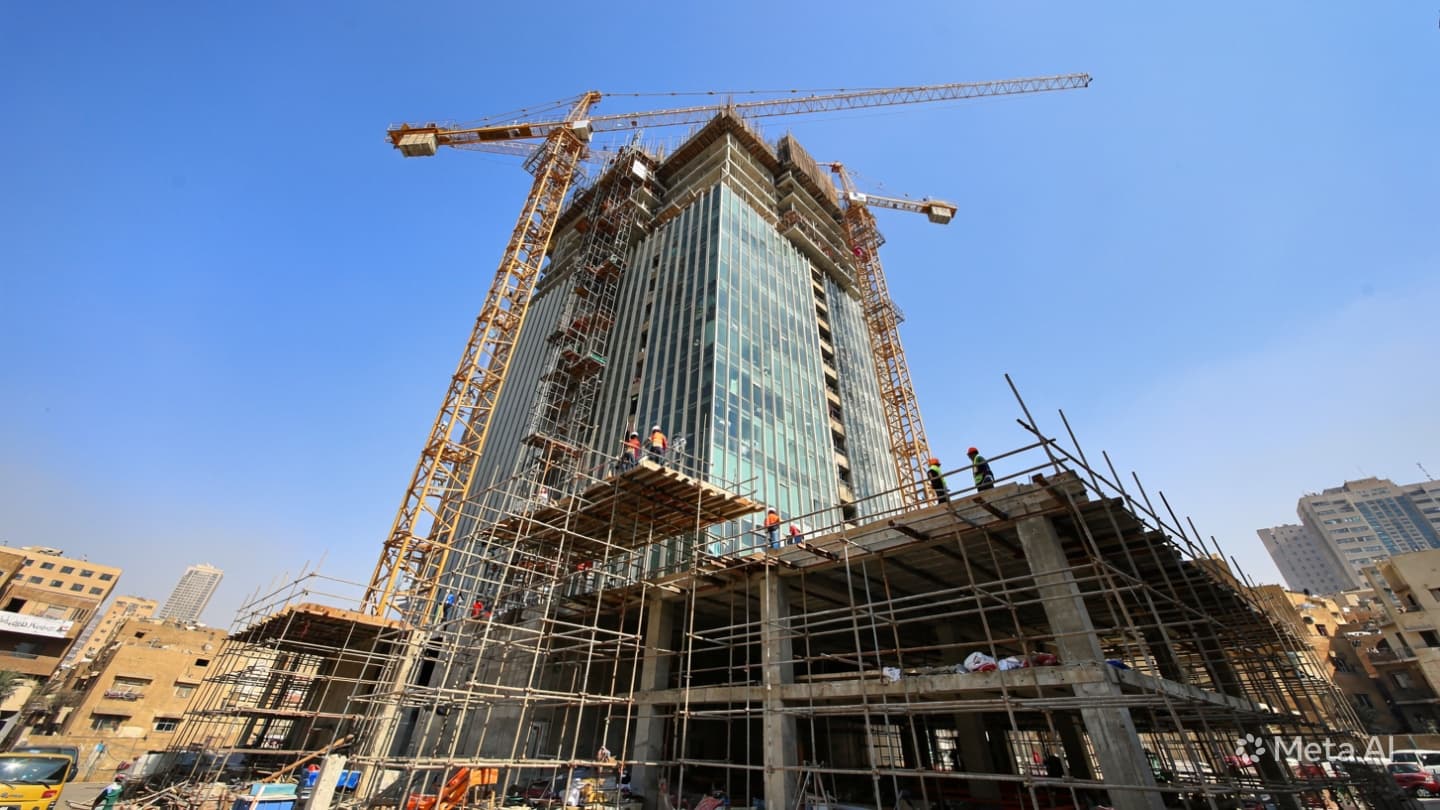
Cairo is a city that reaches incessantly for the sky, a sprawling tapestry of stone, glass, and iron that climbs ever higher, as if the inhabitants are trying to escape the density of the streets below. To watch the city from a distance is to see a forest of cranes and unfinished skeletons, a testament to the unending desire for expansion. Yet, this vertical growth is built upon a foundation of human labor, a constant and often invisible effort that defies the dizzying heights of the construction sites. When a life is cut short in this climb, the silence that ripples through the bustling metropolis feels different—more intimate, and profoundly heavy.
The life of a construction worker in a city like Cairo is one of calculated risk and immense endurance. Each day begins before the heat truly settles, a climb toward the clouds where the view is expansive but the margin for error is razor-thin. There is a certain rhythm to this existence: the steady clatter of tools, the shouts that carry over the wind, and the disciplined focus required to stand on the edge of the future. It is a world removed from the sidewalk traffic, existing in a layer of the atmosphere where the air is thinner and the stakes are undeniably high.
On June 18, 2026, that rhythm was broken on a construction site in the heart of Cairo. A high-rise, intended to be a monument to modern progress, became the site of a profound sorrow. When a worker falls, the descent is sudden, but the reverberations are slow and lingering. It is a moment that challenges the grand narrative of urban development, forcing a pause to acknowledge the person behind the safety vest—the individual who had climbed that morning with the expectation of returning home at dusk.
In the wake of such an event, the scaffolding remains, a stoic and indifferent witness. The city around it continues to hum, the traffic flows through the streets below as if nothing has shifted, yet the void left by a single life is palpable to those who knew them. It is a reminder that every skyscraper is, in some sense, a monument to those who built it, carrying within its structure the stories of the hands that guided it into place. The reflection here is not on the architecture, but on the fragility of the human form against the cold, unyielding ambition of stone and steel.
The investigation that follows is a standard procedural necessity, but it can never quite address the weight of what was lost. Authorities examine the harnesses, the safety protocols, and the site logs, looking for a break in the chain of precautions. They look for the 'why' in the technical failure, while those who worked alongside the victim look for the 'how' to reconcile the absence. It is an uncomfortable intersection of human loss and bureaucratic requirement, where the resolution of a case offers little solace to the family whose world has been tilted on its axis.
The Ministry of Interior reported that a construction worker died following a fall from a high-rise building in Cairo on June 18, 2026. Emergency services were dispatched to the site to recover the individual, but life could not be saved. An inquiry has been launched to determine the safety measures in place at the time of the incident and to ensure compliance with building regulations. The site operations have been temporarily suspended pending a thorough inspection by relevant authorities.
Note: This article was published on BanxChange.com and is powered by the BXE Token on the XRP Ledger. For the latest articles and news, please visit BanxChange.com