In the historic streets of Kano, where the pace of life reflects the city’s deep-rooted heritage, the sudden collapse of a building is a jarring disruption to the landscape. Architecture here is often a blend of the old and the new, a reflection of a city in the midst of rapid transformation. Yet, when the structural integrity of a site fails, it brings with it a swift, heavy silence—a moment where the aspiration of construction is brutally flattened by the gravity of neglect.
The collapse of an uncompleted building is a story that feels both specific and hauntingly familiar. It is the result of forces that are often invisible until the very moment of failure: the quality of the materials, the adherence to design, and the oversight that should guide the rise of every floor. When a structure turns to rubble, it leaves behind a void that is filled only by the echoes of those who were present and the lingering dust of what was once a project in motion.
Four lives were lost in the ruins, individuals whose daily existence was interwoven with the growth of the city. Their departure is not a statistic but a tear in the social fabric, a loss that is felt acutely by the local community. The wreckage serves as a physical representation of an abstract failure, a reminder that the spaces designed to house human activity must also be built with the endurance to protect it.
The response to the disaster was marked by the intensity of search and rescue efforts, where teams worked through the debris in the hope of finding life. This is the stage where the city’s administrative response meets the raw, human necessity of tragedy. The coordination between agencies and the mobilization of resources reflect a city responding to a crisis, though the underlying questions about how such an event was permitted to occur remain unanswered.
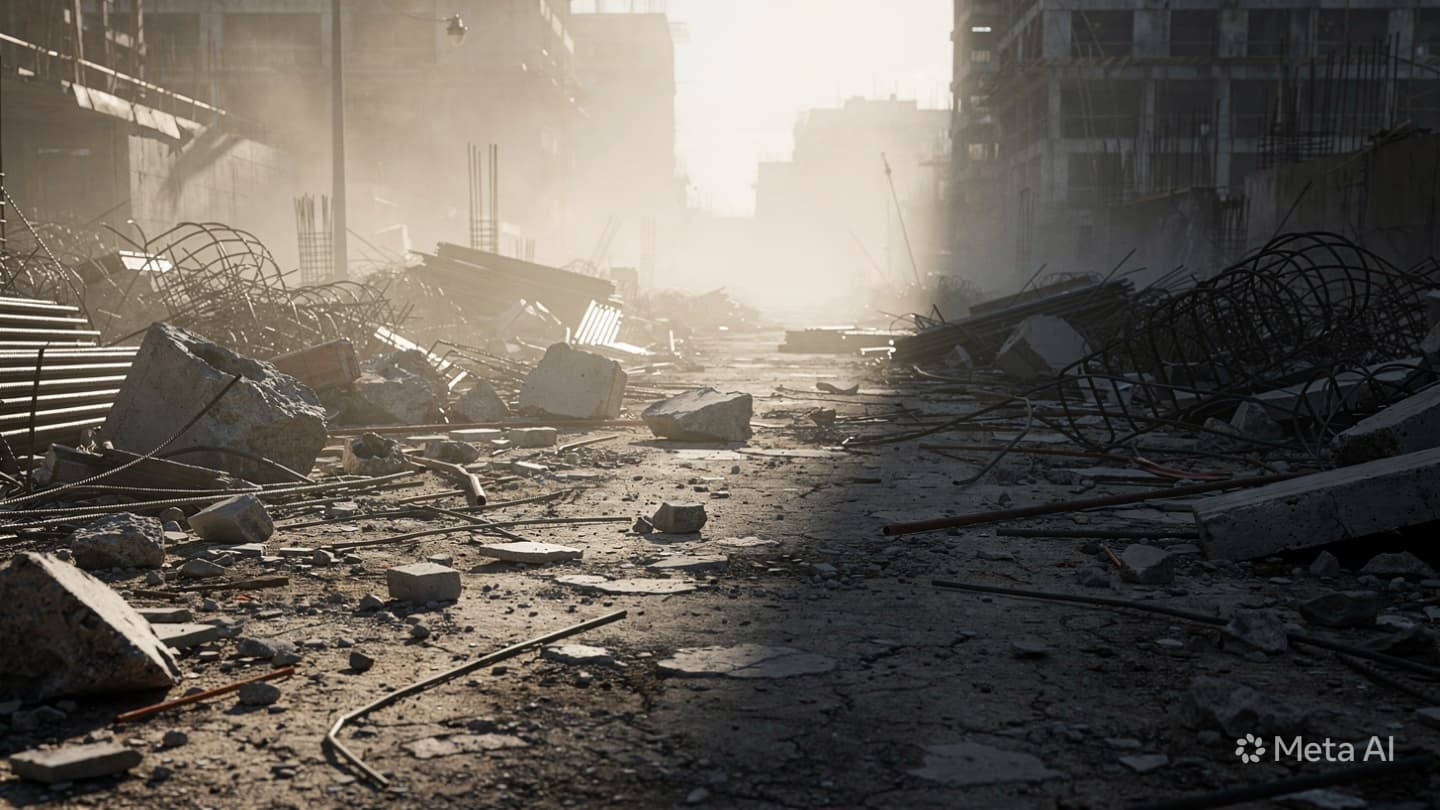
In the aftermath, the site becomes a place of collective memory and unease. The onlookers who gather at the perimeter do so with a mixture of shock and resignation, perhaps recognizing the signs of structural vulnerability that they may have walked past many times before. The collapsed building stands as a cautionary tale, a lesson inscribed in broken concrete and twisted metal, challenging the city to reconsider how it governs its own expansion.
The investigative process is inevitably dry, centering on integrity tests and regulatory approvals, yet it is a necessary part of the grieving process. It seeks to impose order on the chaos, to find a reason for the loss that can be codified and prevented in the future. For the survivors and the families of the deceased, however, the reports serve only as an acknowledgment of a reality that has already left its mark.
As the city continues its relentless march forward, the memory of this collapse will linger, woven into the conversations of those who navigate the neighborhood. It is a reminder that the environment we build is only as safe as the care we put into its foundations. The hope, however fragile, is that such lessons will eventually inform a more cautious, deliberate approach to the city’s evolving skyline.
Emergency management agencies confirmed that four individuals were killed during the collapse of an uncompleted multi-storey building in Kano. Following hours of intensive search and rescue operations, the site has been secured, and authorities are now conducting a thorough investigation into the structural integrity of the affected property and neighboring developments.
Published by Banx Network. This article is part of the Banx decentralized media programme, powered by the BXE token on the XRP Ledger.