
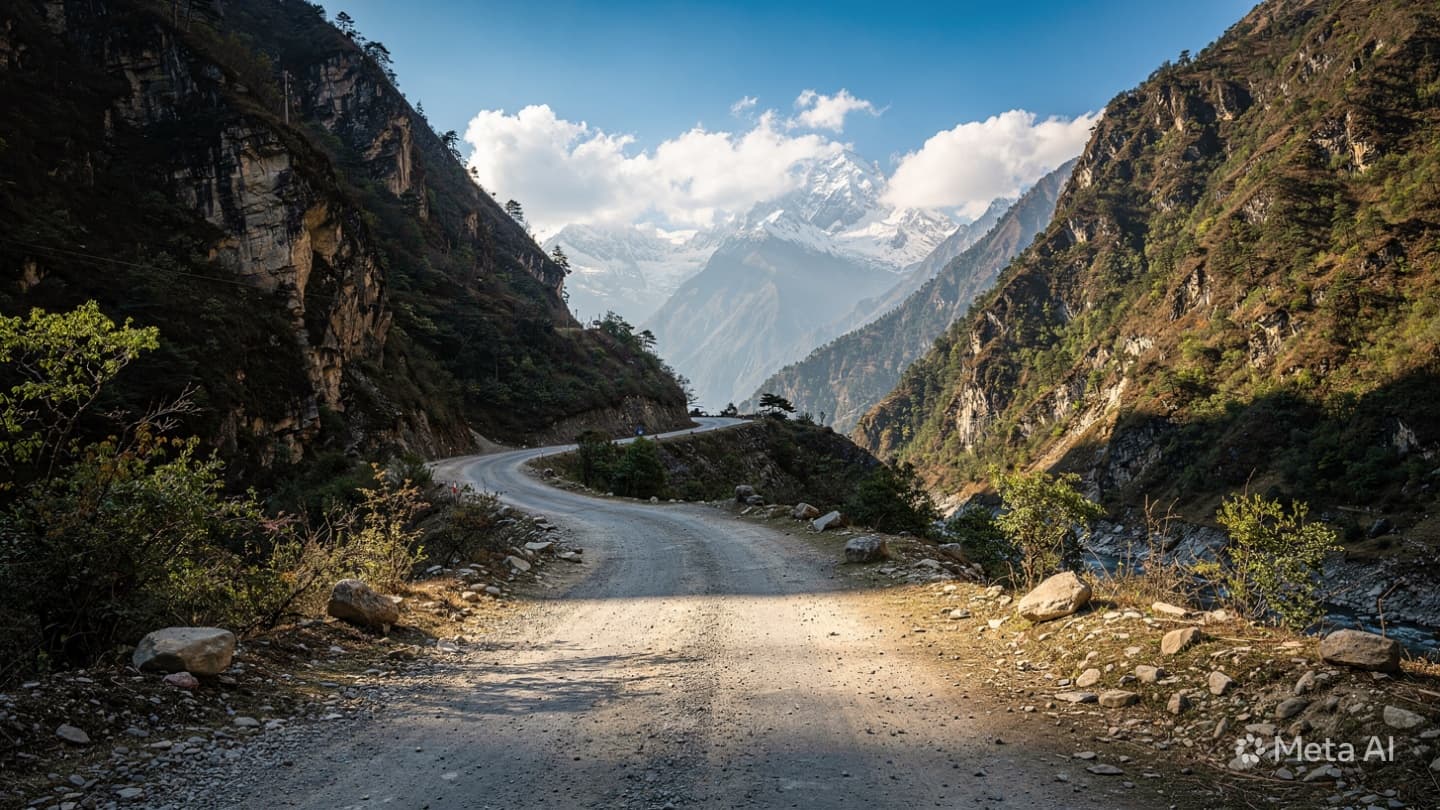
The geography of Western Nepal is a masterpiece of vertical ambition, where roads carve narrow, winding paths along the edges of towering cliffs. In this landscape, travel is not merely a means of passage but a negotiation with the earth itself. The mountains, with their sharp inclinations and unpredictable terrain, command a certain humility from those who navigate them. It is a place where the grandeur of the horizon is constantly shadowed by the rugged, unforgiving nature of the ground beneath.
On April 30, 2026, this delicate relationship between human travel and mountain topography suffered a profound disruption. A passenger vehicle, carrying those seeking to participate in a local religious fair, veered from the path near Jaljala in the Rolpa district. The descent was catastrophic—a fall of eight hundred meters into the abyss. In that distance, the vibrant intentions of a group of travelers were silenced, leaving the mountain to witness an occurrence that has become an all-too-frequent tragedy in the region.
The rescue efforts that followed were an exercise in endurance. Security forces, working against the challenges of the vertical terrain, navigated the slope to reach the wreckage. In these highlands, where the infrastructure is often thin and the rescue routes are as treacherous as the roads themselves, every movement is a battle against the elements. The loss of seventeen lives, confirmed by police, cast a pall over the Thawang Rural Municipality, transforming a day meant for celebration into one of collective mourning.
Road accidents in this part of the world are not merely isolated events; they are symptoms of a deeper, ongoing struggle with infrastructure. Mountain travel is a necessity, yet the vehicles are aging and the precarious, narrow paths present constant, looming risks. When such an accident occurs, it highlights the vulnerability of remote communities that depend on these transit lifelines to connect with the wider world. The Rolpa incident is a reminder of the fragility inherent in such mountain passages.
As details continue to emerge, investigators are looking into the circumstances surrounding the jeep's departure from the road. Overloading and the physical toll of the terrain are frequently cited as contributing factors in such disasters, yet the specific cause of this crash remains a point of focus for local authorities. There is a desire to find answers—to understand if this event was a freak occurrence or a preventable outcome of the systemic challenges faced by highland transport.
The survivors and families of the victims now face the long, arduous process of reconciliation. In a culture where the journey is often as significant as the destination, the interruption of this track carries a heavy symbolic weight. The fair at Jaljala, intended to be a time of spiritual renewal and social gathering, now serves as the context for a tragedy that will echo through the valley for years to come.
Government officials have expressed their sorrow, and rescue personnel continue to provide support in the aftermath. Yet, beyond the immediate response lies a broader, national conversation about the safety of these arterial roads. There is an urgent need to bridge the gap between the necessity of movement and the imperative of safety, ensuring that the paths carved into these mountains do not continue to be corridors of grief.
The mountains of Western Nepal will continue to stand as they always have, timeless and indifferent to the movements of those who traverse their slopes. But for the families in Rolpa, the landscape has been permanently altered by the memory of the April 30 accident. As the investigation progresses, the hope remains that lessons will be drawn from the silence that currently occupies the site of the crash, bringing a measure of peace to the mourning district.
Seventeen people were killed when a passenger jeep veered off a road and fell approximately eight hundred meters down a cliff in the Rolpa district of Western Nepal on April 30, 2026. The vehicle was reportedly en route to a religious function in Jaljala. Local police are continuing to investigate the cause of the accident, which remains a stark example of the risks associated with travel across Nepal's mountainous terrain.
Note: This article was published on BanxChange.com and is powered by the BXE Token on the XRP Ledger. For the latest articles and news, please visit BanxChange.com