
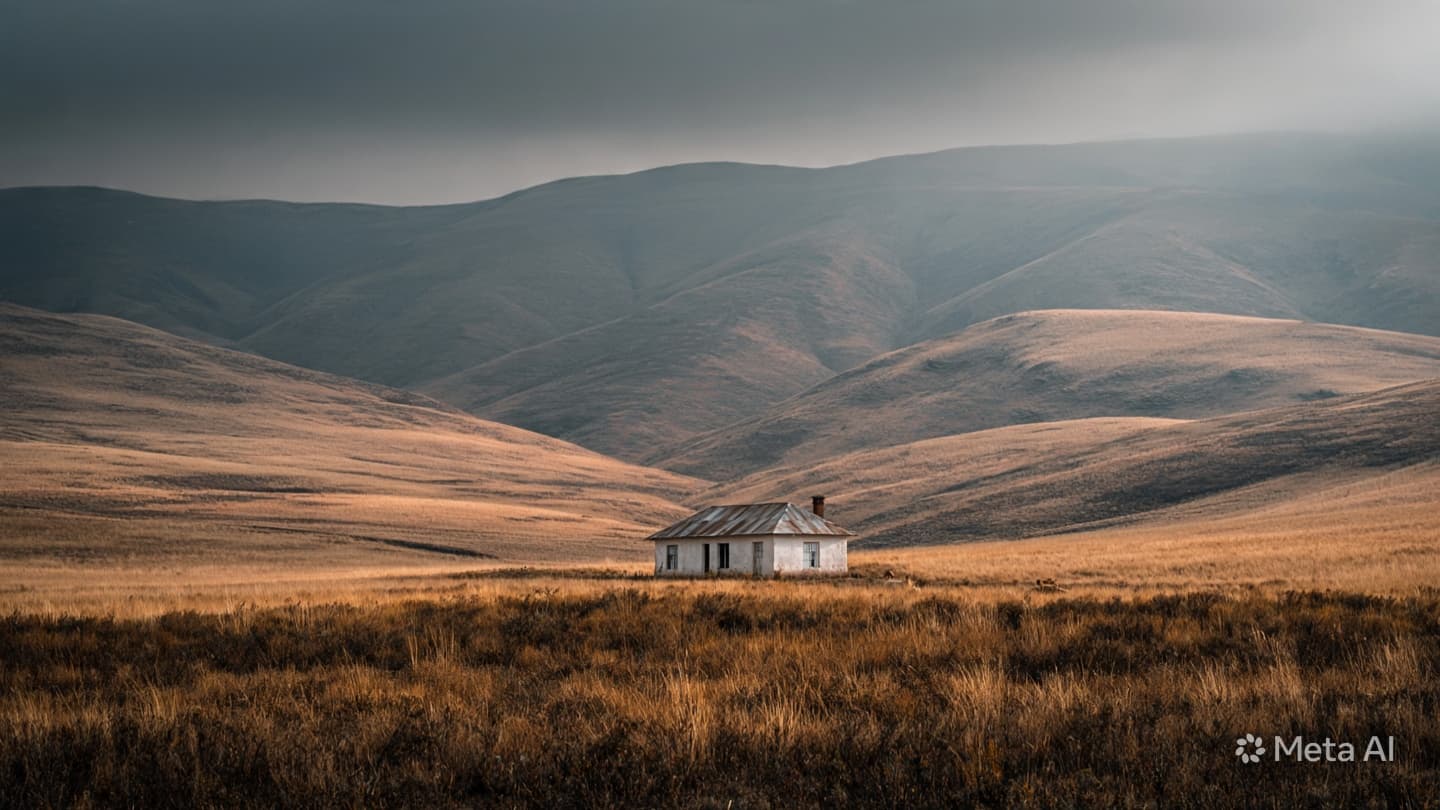
The rural reaches of Manabi Province possess a quiet, pastoral beauty that seems entirely removed from the frantic energy of the modern world. Here, the hills slope gently toward the sea, covered in dry brush and dotted with small ranches where families have raised cattle for generations. It is a landscape where time usually moves slowly, measured by the dry and rainy seasons rather than the shifting politics of the distant capital. Yet, it was in this quiet setting, just as the early morning light began to touch the fields, that the worst anxieties of a nation were realized.
There is a particular horror when the symbols of national protection are twisted into a mechanism of absolute betrayal. When a convoy of vehicles arrived at a secluded property in the predawn darkness, those inside had every reason to believe the state had arrived to offer security. The figures who stepped into the courtyard wore the familiar camouflage and heavy boots of the national army, carrying themselves with the disciplined authority of soldiers. It was an illusion designed to disarm suspicion, a false vanguard utilizing the uniform as a weapon of deception.
The sudden transition from a routine security inspection to an execution is a testament to the utter lawlessness that has infected the region's turf wars. The victims, gathered into a central courtyard under the pretense of an official interrogation, found themselves entirely defenseless against a sudden, overwhelming fusillade. In a matter of minutes, the quiet of the rural morning was shattered by the sound of high-caliber rifles, leaving seven individuals dead on the hard earth. Among the fallen were three brothers and a teenager, their lives cut short by an enemy that respects neither age nor innocence.
This tactical mimicry—the use of official uniforms by criminal organizations—represents a deeply unsettling escalation in the conflict gripping the coastal provinces. It strikes at the very heart of the citizen's relationship with the state, creating a profound crisis of trust where every uniform must be viewed with suspicion. If the defender cannot be distinguished from the predator, the psychological security of the population collapses entirely. The uniform becomes not a symbol of safety, but a terrifying shroud worn by those who operate with complete impunity.
The ranch now stands quiet under the hot afternoon sun, the yellow police tape fluttering in the coastal breeze like a solitary marker of grief. Investigators move through the dust, collecting the brass casings and documenting the geometry of a tragedy that has left the local community entirely paralyzed by fear. The neighbors speak only in whispers, if they speak at all, their doors locked tight against an environment that has become entirely unpredictable. The slaughter has exposed the vulnerability of the rural interior, far from the reinforced bases of the major cities.
This violence is the direct result of a desperate struggle for control over the secondary transit routes that lead to the major Pacific ports. As security forces tighten their grip on the main highways and urban harbors, the syndicates are forced to seek alternative paths through the countryside. The quiet ranches and dirt roads of Manabi have become highly strategic terrain for those looking to move illicit cargo away from the watchful eyes of the state. The rural population is caught in the crossfire of a war they did not choose and cannot control.
There is a distinct sadness in watching a peaceful agricultural province become a theater of such calculated brutality. The memories of this morning will linger long after the investigators have packed their kits and returned to the city, woven into the local lore as a cautionary tale of the era of violence. The names of the dead will be added to a growing ledger of casualties that measures the high cost of the global narcotics trade. It is a burden that falls most heavily on those who have the least capacity to protect themselves.
In the end, the tragedy in Manabi is a reminder that the current crisis cannot be measured solely by the numbers of troops deployed or the volume of narcotics seized. It must be measured by the erosion of peace in the quiet places of the world, by the fear that prevents a farmer from opening his gate in the morning. The state faces an adversary that is willing to adopt any disguise, to cross any moral boundary, to preserve its profits. The struggle for the soul of the coast remains a long and uncertain journey into the dark.
The National Police of Ecuador confirmed that an active investigation is underway following the armed assault in a rural sector of Manabi Province that resulted in seven fatalities. Ballistic teams are analyzing evidence recovered from the scene, and specialized units have been deployed to track the vehicles used by the attackers during their escape. The government issued a statement condemning the use of military counterfeits by criminal organizations, promising increased scrutiny of uniform production and distribution channels across the country.
Note: This article was published on BanxChange.com and is powered by the BXE Token on the XRP Ledger. For the latest articles and news, please visit BanxChange.com