The Mediterranean is a landscape of profound contrast, a body of water that has served for millennia as a cradle of civilization, a route for trade, and a threshold for those seeking a new beginning. Yet, in the waters off Lampedusa, this historical narrative is often interrupted by the stark, unrelenting reality of the migrant crisis. When a vessel capsizes in these high-risk zones, the sea becomes a site of profound human loss, and the recovery operations that follow are a somber, necessary act of witness.
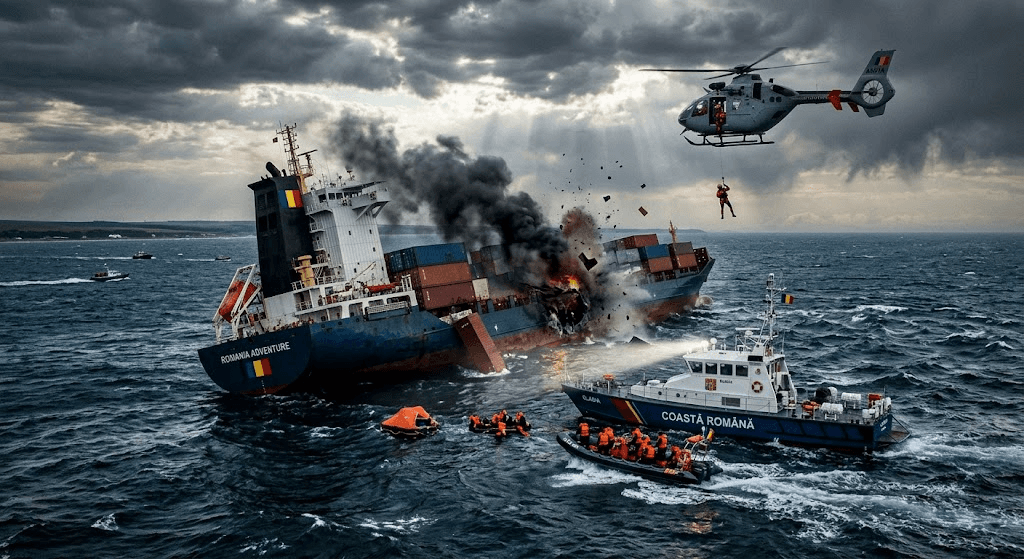
To watch a recovery operation from the shore is to witness the intersection of the administrative and the deeply personal. The vessels of the coast guard, moving with a controlled, rhythmic precision, are the primary actors in a scene that has become all too frequent. They navigate the swells, their efforts focused on the retrieval of those whom the sea has claimed. It is a process devoid of the sensationalism often projected upon it; instead, it is marked by a heavy, professional silence, a recognition of the gravity of the work being performed.
The individuals on these boats, fleeing conflict, persecution, or the crushing weight of economic despair, represent the true scale of the crisis. Their journeys are often defined by the deception of smugglers, who prioritize profit over the structural integrity of the vessels or the safety of their passengers. When these unseaworthy crafts reach the high-risk zones of the Mediterranean, the margin between survival and tragedy narrows to almost nothing. The capsize is rarely a sudden or unforeseen event; it is, more often, the inevitable conclusion of a journey undertaken in the face of impossible odds.
For the survivors, the aftermath is a period of intense, often agonizing, disorientation. They are brought ashore to reception centers, their stories coalescing into a mosaic of survival that highlights the persistent dangers of the crossing. Their recovery—physical and psychological—is a testament to the resilience of the human spirit, even as it serves as a reminder of the immense, often irreparable, toll that the journey has extracted from them and their families.
The recovery of bodies is a task that carries a heavy emotional weight for the responders. It is a duty performed with a sense of solemnity, an acknowledgment that each person lost is a life that held value, memory, and potential. By retrieving those who have perished, the authorities provide a final, crucial service: the restoration of dignity in death. It is a small, quiet act of humanity in the face of a broader, systemic failure that continues to play out on the waves.
As the international community debates the complexities of migration, the reality on the ground remains unchanged. The central Mediterranean route, for all its dangers, remains a primary thoroughfare for the displaced. The policies that govern these waters are the subject of endless, often contentious, discourse, yet they frequently feel detached from the visceral reality of a boat sinking in the dead of night. The recovery operations are a reminder that the cost of these debates is measured in human lives.
In the final analysis, the story of the Mediterranean is a reflection of our global interconnectedness. We are all witnesses to the events that unfold in these waters, and the loss of life is a collective burden that we have yet to truly address. The work of the coast guard and the aid organizations is a necessary, noble response to a situation that is fundamentally unsustainable, but it is not a solution. It is, instead, a mirror held up to the failures of a system that permits such loss to occur with such regularity.
As the recovery efforts continue off Lampedusa, the sea remains, indifferent to the tragedies it holds. The families of the missing wait for news, the survivors attempt to build a life from the wreckage, and the authorities continue their tireless, grim work. It is a cycle of loss and memory, a profound, editorial reflection on the fragility of our world and the persistent, unyielding hope that drives so many to risk everything for the possibility of a safer, more secure future.
Published by Banx Network. This article is part of the Banx decentralized media programme, powered by the BXE token on the XRP Ledger.