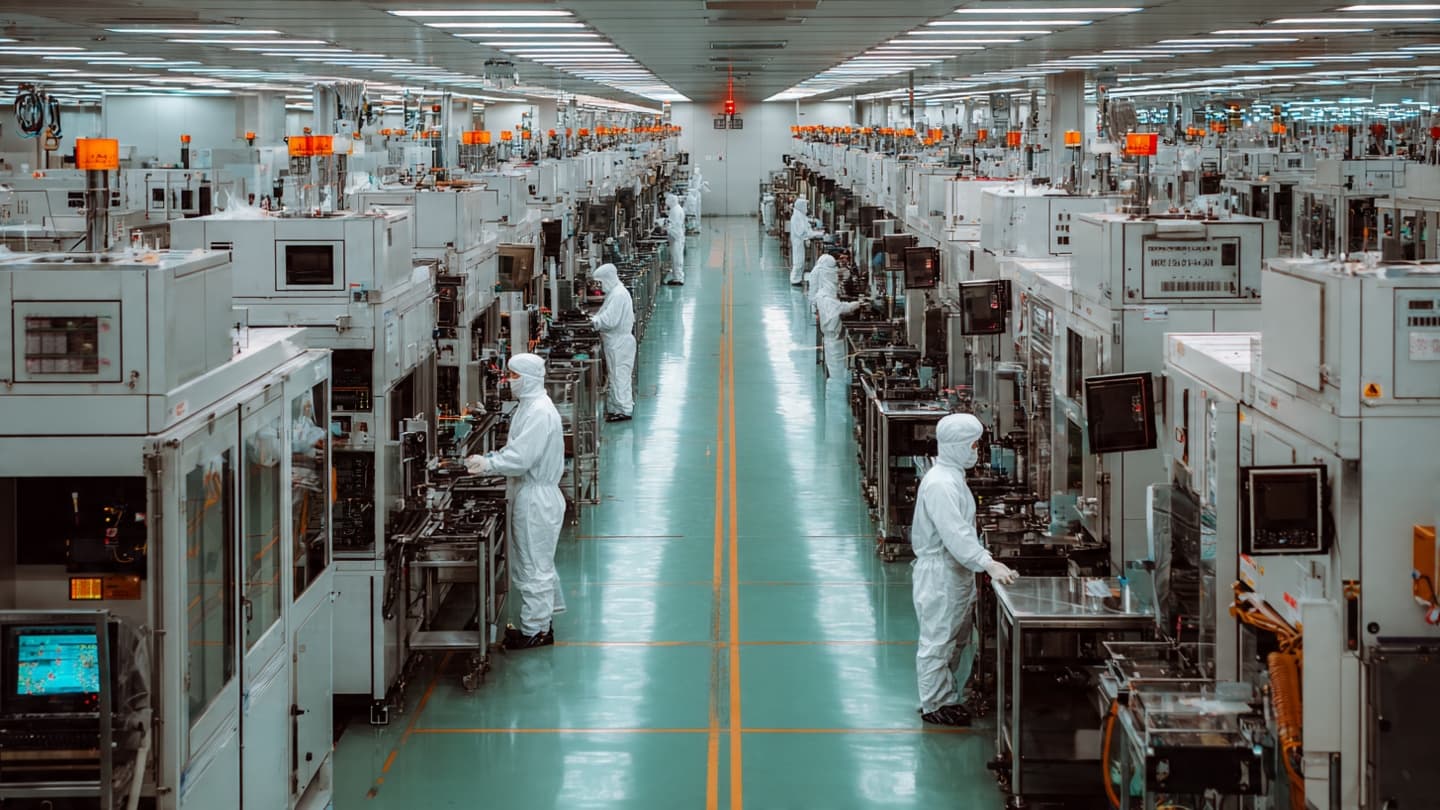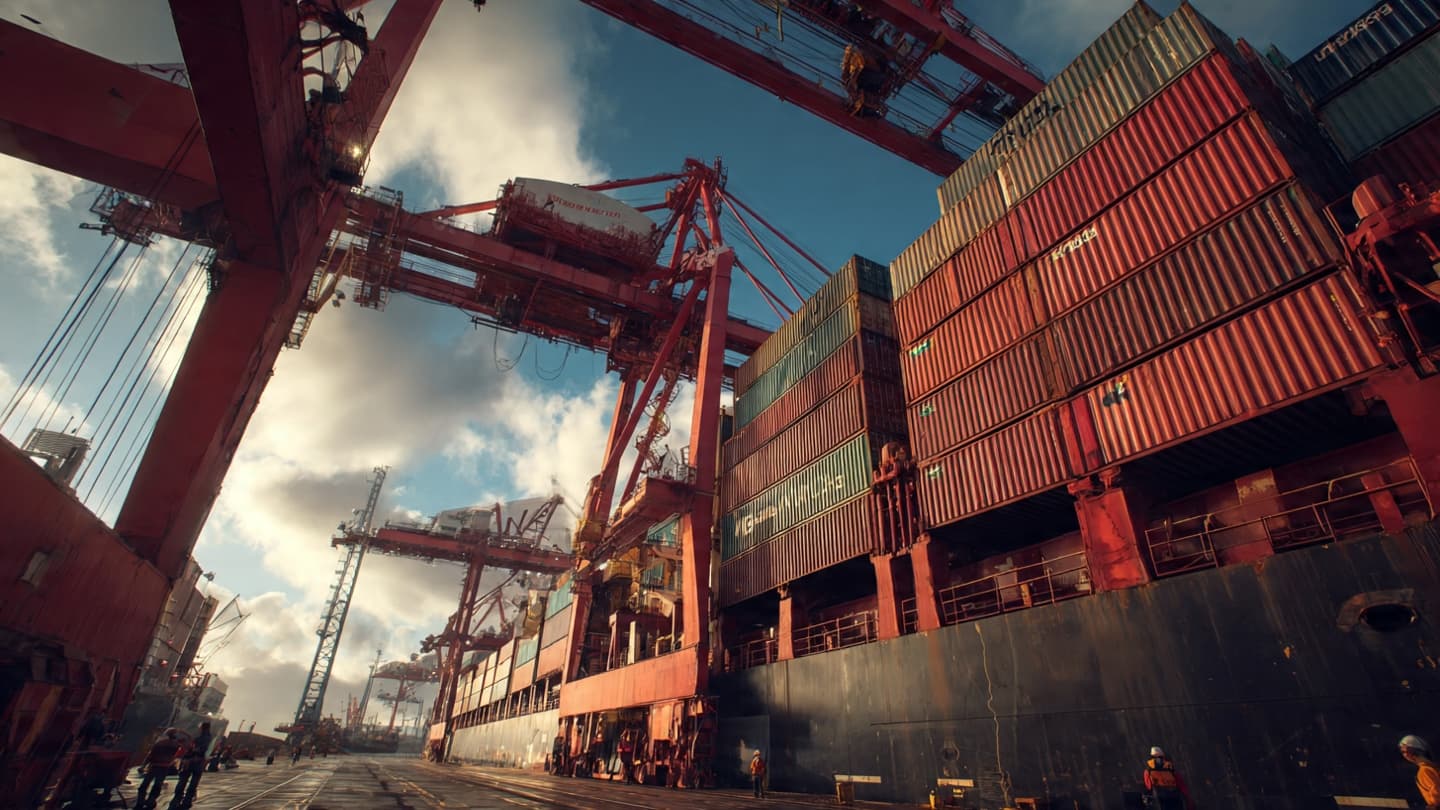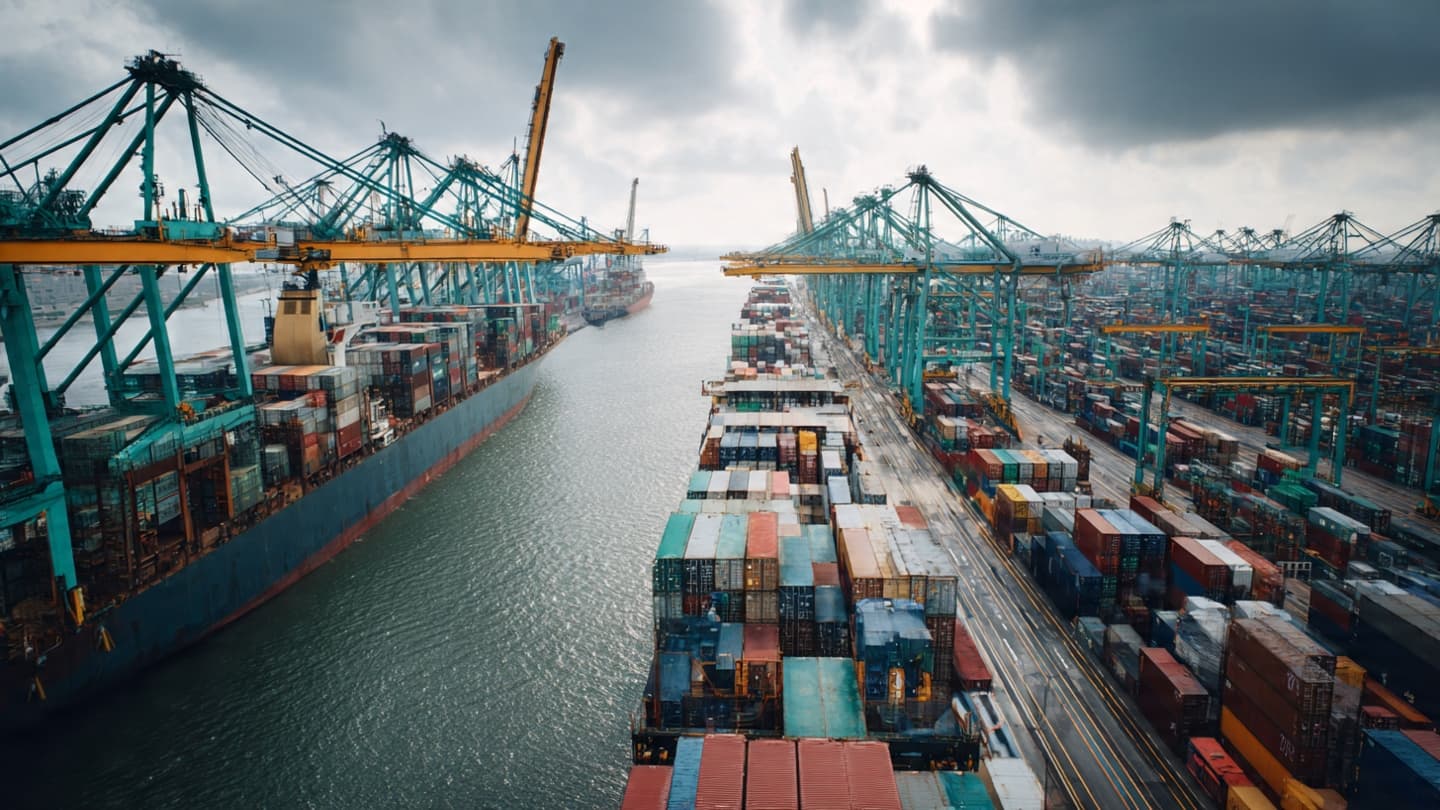
From the cranes of coastal ports to the factory floors farther inland, China's export machine continues to move with remarkable speed. The rhythm of containers, trucks, ships, and production lines has become closely connected to another global rhythm: the rapid construction of artificial-intelligence infrastructure.
China's exports increased 23.9% year over year in July, according to Reuters, exceeding expectations and remaining a major source of economic momentum. Imports also grew 27.5%, showing that trade activity remained strong on both sides of the country's international supply chains.
Artificial intelligence has become an increasingly important part of this movement. Demand for electronics, computing equipment, and other technology products has helped Chinese manufacturers maintain strong export activity. As businesses around the world invest in AI infrastructure, factories producing the equipment and components needed for that expansion have found new sources of demand.
The July figures came after an exceptionally strong June, when China's exports had grown 27% from a year earlier. The continued strength therefore suggests that the country's external trade remains resilient even as questions persist about domestic demand and the broader global economy.
Imports rising faster than exports also offer a different view of the economy. Higher imports can reflect stronger demand for components and materials used by manufacturers, but they can also indicate changes in domestic consumption and investment. Behind the percentages are ships arriving at ports, warehouses receiving materials, and factories preparing products for another journey overseas.
The trade figures arrive against a complicated international backdrop. Companies have been attempting to move shipments ahead of possible tariff increases, while changes in global trade policy have created uncertainty for manufacturers. That uncertainty can encourage businesses to accelerate orders, creating bursts of activity before new measures take effect.
China's manufacturing sector, meanwhile, has shown signs of moderation. Reuters reported that factory growth slowed to a four-month low in July, with output and new orders expanding at a weaker pace. The contrast between softer domestic manufacturing indicators and strong export numbers highlights how uneven the country's economic landscape remains.
For China's exporters, the strength of global technology demand provides an important cushion. Electronics, computing equipment, and AI-related goods connect Chinese factories to a rapidly expanding international market. Yet the dependence on external demand also leaves exporters exposed to changes in tariffs, consumer demand, shipping conditions, and technology investment.
July's trade figures therefore tell a story of movement rather than certainty. China's factories continue to send products across oceans at a powerful pace, while the global AI boom creates new opportunities for manufacturers. Whether that momentum can remain durable will depend on how technology demand, global trade conditions, and domestic economic activity evolve through the remainder of the year.
AI Image Disclaimer: These images were generated with AI and are intended only as conceptual representations of the reported economic developments.
Sources:
Reuters China Customs National Bureau of Statistics of China Nikkei Asia South China Morning Post
Note: This article was published on BanxChange.com and is powered by the BXE Token on the XRP Ledger. For the latest articles and news, please visit BanxChange.com