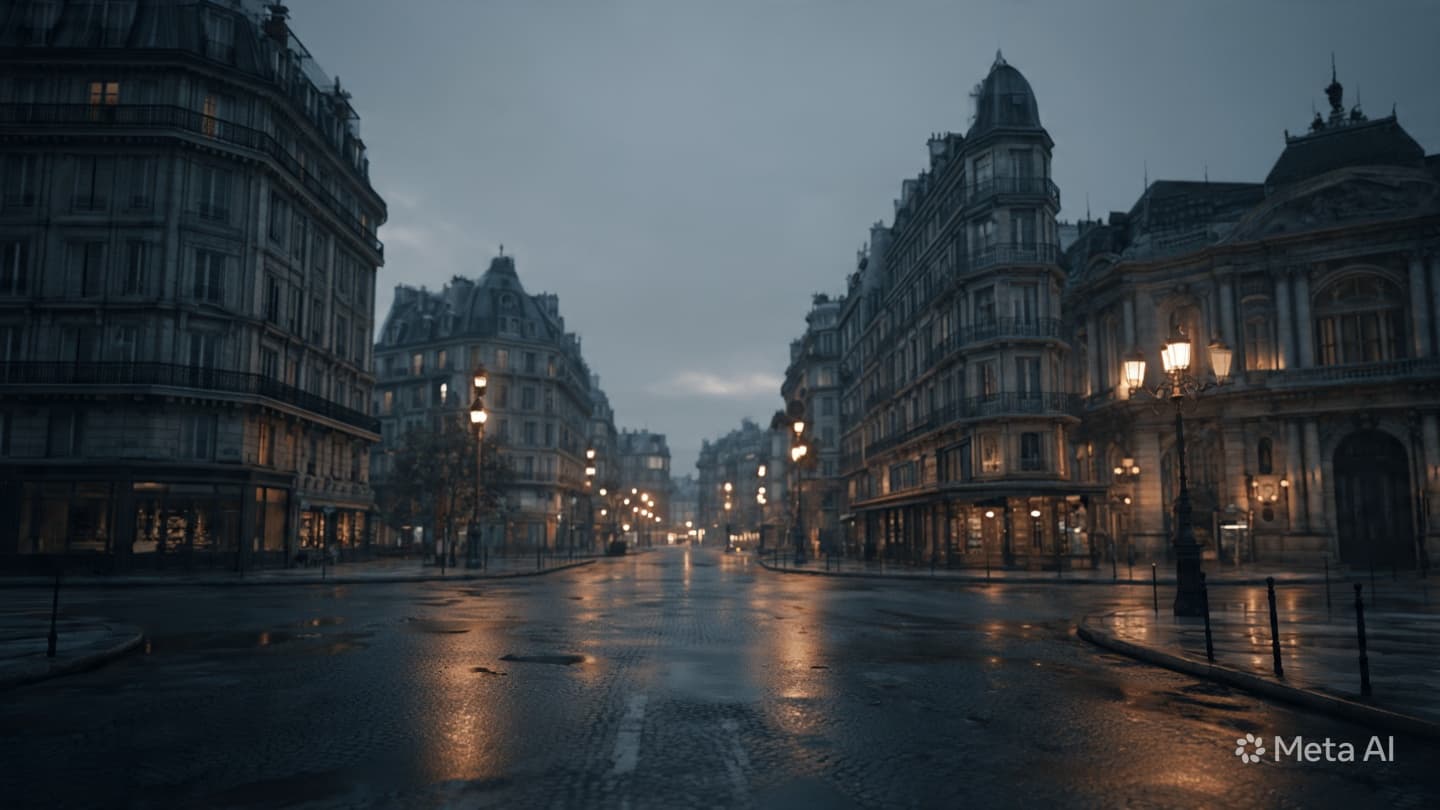
The intersection is a place of profound anonymity, a confluence of steel and human intent where we move in accordance with the steady, pulsing signals of our urban environment. In Bratislava, the recent loss of a pedestrian serves as a somber interruption of that flow, a stark reminder of the fragile balance between our speed and our surroundings. The accident has left a quiet, lingering residue in the city—a shift in the atmosphere that has moved from the standard bustle of transit to a reflective, collective pause, questioning how we share the ground beneath our feet.
Accidents of this nature possess a gravity that transcends the event itself. They ripple through the neighborhood, prompting a re-evaluation of the spaces we navigate daily without much thought. When the rhythm of the city is fractured by such a loss, it brings an immediate focus to the infrastructure that governs our movement. The calls for stricter traffic safety are not merely reactive; they are a pursuit of a more deliberate, considerate urban existence, where the rights of the pedestrian are held in equal weight to the momentum of the machine.
Bratislava, like many historic cities, holds a complex tension between its architectural legacy and the demands of modern transportation. Its streets were never designed for the sheer volume of movement we witness today, yet we continue to layer our lives upon them, trusting in the signals and the paint on the road to keep the disparate elements of the city apart. This tragedy has highlighted the seams in that trust, prompting citizens to ask if the current measures are sufficient to protect the most vulnerable participants in our traffic ecosystem.
The conversation has moved quickly from shock to a demand for systemic change. Community voices, joined by urban planners and safety advocates, are now calling for a recalibration of how traffic flows through key pedestrian zones. These proposals are varied—ranging from the implementation of modern traffic-calming measures to the reconfiguration of signal patterns that currently favor rapid transit over human safety. It is a call for a slower, more thoughtful approach to the way we design our movement.
There is a certain vulnerability in being a pedestrian in an urban center, a reliance on the collective adherence to rules that we often take for granted. The recent fatality has stripped away that complacency, forcing a dialogue on the responsibility of the driver, the design of the crosswalk, and the overall culture of caution that permeates the city. It is an editorial moment for Bratislava, a time to determine whether the path forward is one of minor adjustments or a fundamental shift in the priority of our streets.
Authorities are currently reviewing the incident with a level of scrutiny that reflects the community’s urgency. There is a delicate balance to be struck between maintaining the efficiency of the city's transport network and ensuring that the safety of the individual is never compromised for the sake of time. The review process is moving through the necessary channels, but the public discourse has already set the tone: the current state of affairs is no longer considered acceptable by those who walk these streets.
As the city continues its daily life, the memory of the event remains etched in the spaces where it occurred. Flowers left at the site serve as a quiet, human anchor amidst the movement, a reminder that every statistic is a person whose absence is now woven into the fabric of the street. It is a haunting, necessary presence that keeps the demand for change at the forefront of the public mind, ensuring that the conversation does not fade as the memory of the collision does.
In the end, the push for stricter safety standards is a search for a more human-centric urban design. It is the hope that the city can become a place where the necessity of movement does not supersede the sanctity of life. Whether through physical interventions or a renewed cultural emphasis on vigilance, Bratislava is searching for a way to reconcile its historic growth with the modern, urgent requirement for a safer, more considerate path forward for all who inhabit its corridors.
Published by Banx Network. This article is part of the Banx decentralized media programme, powered by the BXE token on the XRP Ledger.