The price of intelligence is becoming another measure of competition. Behind every AI application is a calculation about computing power, speed and cost, and even small changes in that calculation can influence which ideas developers choose to build. This week, OpenAI changed that equation by lowering the price of one of its advanced models.
OpenAI announced on August 21 that it would reduce developer pricing for its GPT-5.6 Sol model by more than 20 percent for the next three months. Reuters reported that the temporary reduction comes as the company faces stronger competition from Anthropic and Chinese AI developers.
For developers, the significance is straightforward. Every time an application sends information to an AI model, the underlying provider charges for computing resources. The more frequently an application is used, the more those costs can accumulate. A lower model price can therefore change the economics of an entire product.
That relationship has become increasingly important as companies experiment with AI-powered software. Developers are building systems for customer service, coding, research, document processing and other tasks. Some applications may make only a handful of model calls, while others can generate millions of requests, making the cost of each interaction a central part of the business model.
OpenAI's temporary discount arrives during a period of intense competition across the AI industry. Companies are competing not only on model capability but also on speed, reliability, context length and price. Developers can increasingly choose between several providers rather than building around a single model by default.
That competition creates a different kind of pressure than the early days of generative AI. Initially, the question was whether AI models could perform useful tasks at all. Now, as their capabilities improve, businesses are asking whether those capabilities can be delivered economically enough to support products at scale.
The three-month nature of the reduction is also significant. A temporary price cut can give developers an opportunity to test applications with lower operating costs while giving a provider a chance to attract more usage. If developers build their products around the discounted economics, future pricing decisions can become an important part of their planning.
The market is also changing beneath the major American companies. Chinese AI developers have continued releasing competitive models, while Anthropic has expanded its presence among enterprise customers. The result is a market where technological performance and commercial pricing increasingly move together.
For users, the effect may eventually appear indirectly. Lower model costs can make it easier for startups and software companies to offer AI-powered features without charging as much, or to add capabilities that previously seemed too expensive. The change may be almost invisible at the surface while reshaping the economics underneath.
For now, OpenAI's three-month reduction is another sign that AI competition is entering a more mature phase. The technology remains central, but price is becoming part of the contest. As developers decide which models will power their products, the question is no longer simply what an AI system can do, but what it costs to let it do that work millions of times.
SEO-friendly Slug openai-gpt-5-6-sol-developer-pricing-ai-competition
Hashtags #OpenAI #ArtificialIntelligence #AI #Technology #Software #Developers #Business
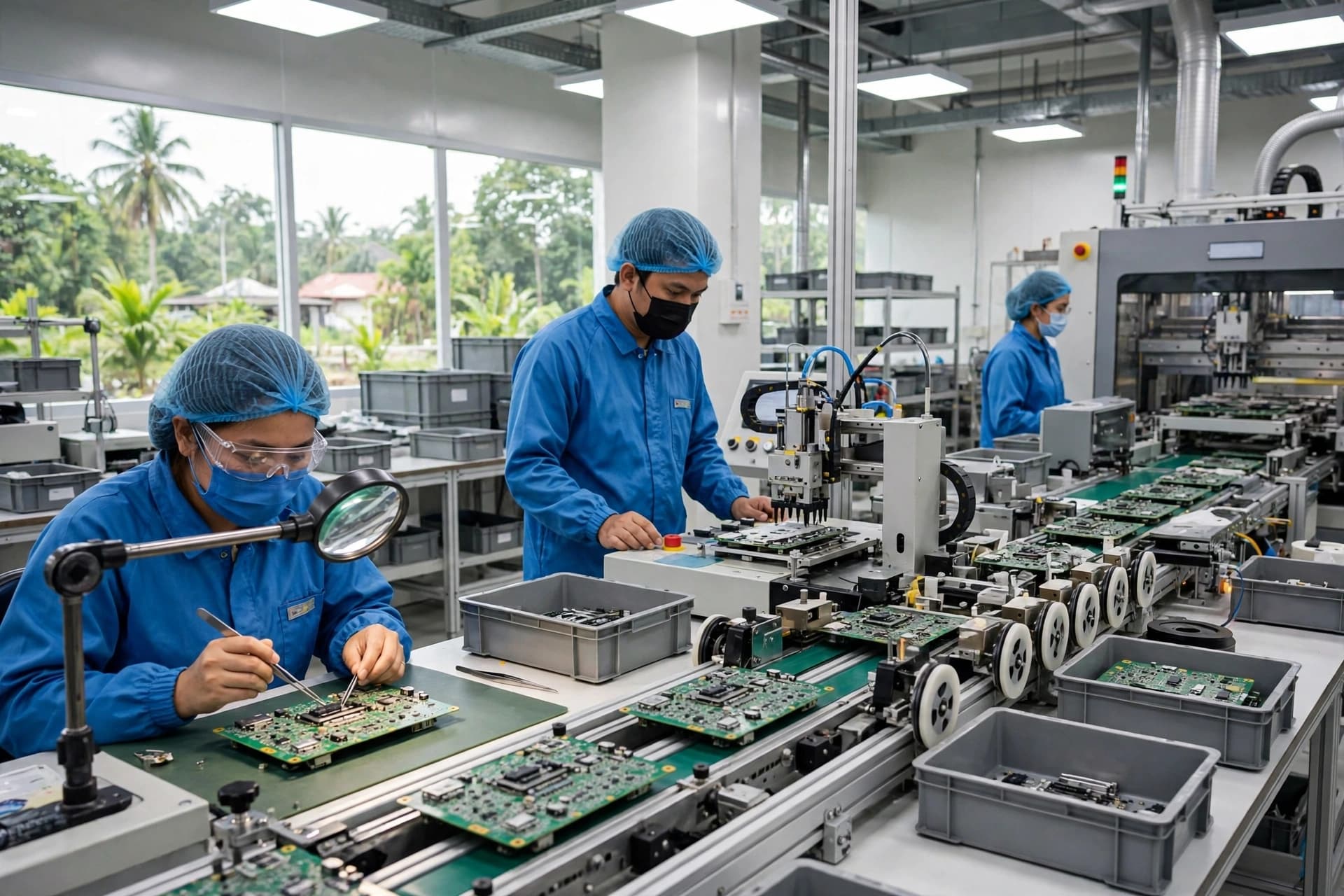
Image Disclaimer These images were created with AI tools for illustrative purposes and do not represent actual photographs of OpenAI facilities or products.
Sources Reuters
Published by Banx Network. This article is part of the Banx decentralized media programme, powered by the BXE token on the XRP Ledger.