The architecture of an airport is a landscape of transition, a place where people exist between two worlds—the one they have left behind and the one they are yet to enter. It is a space defined by the motion of luggage on conveyor belts and the quiet, nervous energy of those passing through customs. For Ulises Mendez, a thirty-year-old traveler from Chicago, that transition was interrupted by the weight of a suitcase containing more than just clothes. It held the heavy, undeniable burden of fourteen kilograms of cannabis, a decision that would ultimately tether him to a Dublin courtroom and a five-year prison sentence.
There is a particular kind of tragedy in the story of the courier, a role often filled by those who feel themselves to be in a corner. The court heard the echoes of debt—a mere three thousand dollars—that morphed into a demand for transport, a "task" that promised to clear the slate but instead erased the future. It is a story as old as the illicit trade itself: the desperate belief that one can maneuver through a dangerous space and come out the other side unscathed. The reality, as always, is far less forgiving, and the courtroom serves as the final, absolute accounting of that miscalculation.
To observe the sentencing of someone who has no prior record is to witness the collision of past character with a singular, transformative act of poor judgment. The judge’s words—describing him as a "mature man who made a very, very bad decision"—carry the weight of a quiet, resigned wisdom. There is no triumph in such a sentencing, only the cold, necessary application of the law. It is an acknowledgment that the act of importing such a quantity of contraband, regardless of the motivation or the pressure applied, carries consequences that must be measured in the currency of lost time.
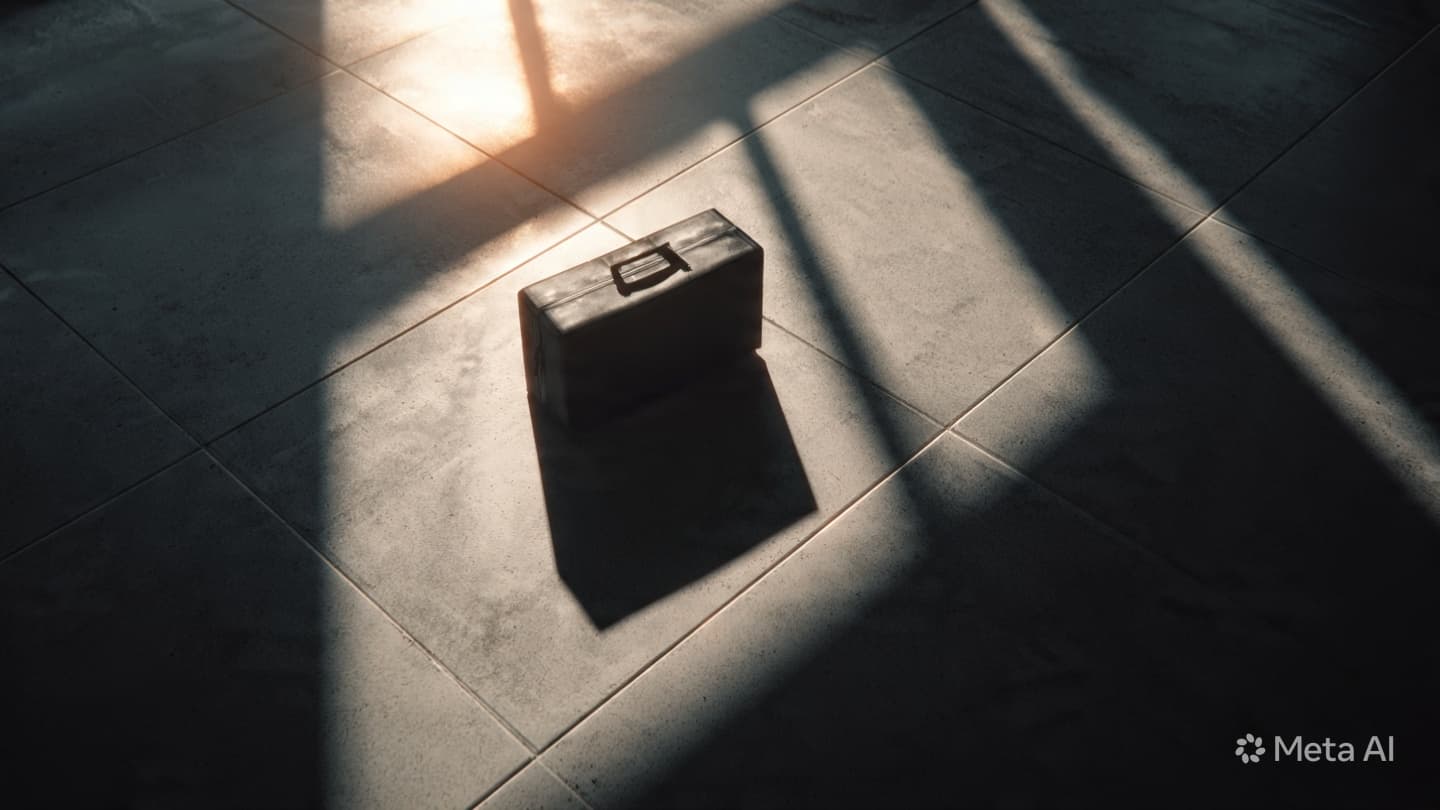
The suitcase, once a mere vessel for a journey, becomes the centerpiece of a narrative about coercion and compliance. The mention of his Mexican heritage making it difficult to find steady employment in the United States adds a layer of socio-economic complexity to his story, suggesting that the path he took was not one of ambition, but of perceived necessity. It is the classic struggle of the "down on his luck" individual, a person who finds himself caught in the machinery of a criminal organization and feels there is no alternative but to acquiesce.
As the legal proceedings conclude, one is left to consider the nature of distance. The distance from Chicago to Dublin is measured in thousands of miles and hours in the air, but the distance between a life of labor and a life behind bars is measured in the single, fateful decision to carry a package across a border. For Mendez, that distance has now been solidified into five years of incarceration, a period of time that will be spent in a country far from home, contemplating the weight of the debt he tried to settle and the far larger debt he has now incurred to the state.
There is an inherent loneliness to the courier’s fate. They are, by definition, isolated agents in a larger, faceless operation, and when the operation fails, they are the ones who stand alone before the judge. The organizations that coerce or employ them vanish like smoke, leaving the individual to bear the full force of the law’s attention. The courtroom does not concern itself with the faceless figures who demanded the transport; it concerns itself with the hand that held the handle of the suitcase. It is a stark, binary reality that offers little comfort to the defendant.
As the sentence is backdated and the process finalized, we see the transition from a person of potential to a prisoner of circumstance. The early guilty plea and the letter of apology are the final, quiet gestures of a man trying to claim some measure of humanity in a system that views him primarily as a vessel of contraband. The judge’s satisfaction that he is "unlikely to come before the courts again" provides a faint glimmer of hope, but the immediate reality remains a cell in a foreign land.
Ultimately, the case serves as a sober reflection on the global reach of illicit trade and the human lives it consumes. The airport, once a place of infinite possibility for the traveler, becomes a site of closure. As the law turns its gaze toward the next case on the docket, the story of this specific importation is folded away into the archives. The tragedy lies not in the seizure of the cannabis, but in the sequence of choices—driven by debt, fear, and a catastrophic lack of perspective—that led a man to exchange his future for a bag of illicit weight.
Published by Banx Network. This article is part of the Banx decentralized media programme, powered by the BXE token on the XRP Ledger.

.jpg&w=3840&q=75 "Intelligence Agencies Suspect Russia Is Developing Anti-Satellite Weapon to Target Starlink")