
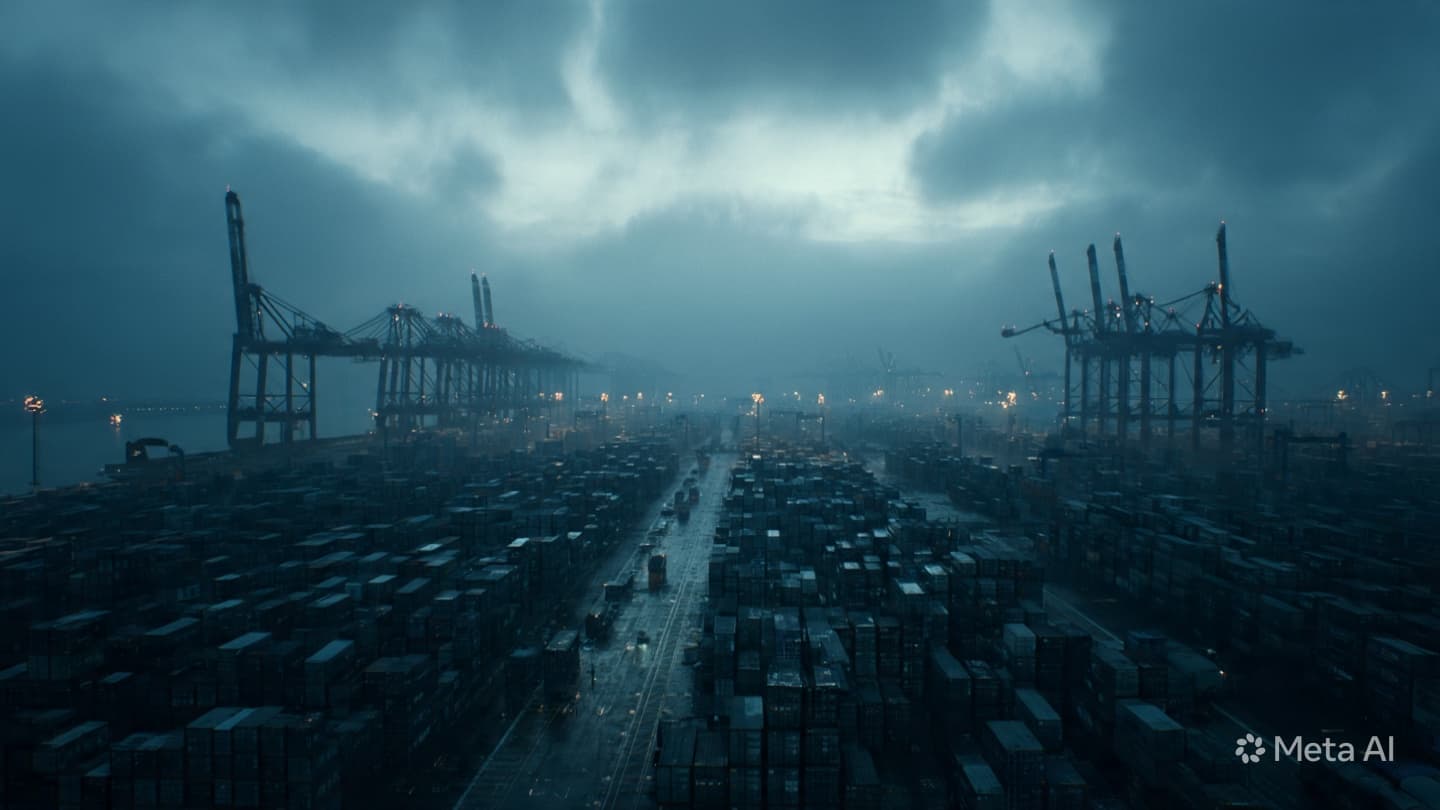
The Helsinki Port stands as a quiet sentinel at the edge of the Baltic, a sprawling nexus where the rhythm of international commerce meets the stern reality of border enforcement. In the grey light of early morning, the rows of shipping containers resemble a metal labyrinth, their contents hidden behind alphanumeric codes and heavy steel doors. It is here that the intersection of global trade and regional security becomes most palpable, a space where the movement of goods is subject to the watchful, analytical gaze of those tasked with maintaining the integrity of the nation's entry points.
Customs operations in this maritime landscape are defined by a patient, intellectual approach to detection. The anti-smuggling units do not move with the haste of sirens or the theatrics of high-speed chases. Instead, their work is rooted in the meticulous analysis of data, the careful scrutiny of manifests, and the deployment of advanced imaging technology that peers through layers of freight. It is a process of identifying anomalies in the flow, discerning the slight discrepancies that suggest something illicit is nestled among the legitimate shipments of a globalized economy.
Recent activity at the port reflects the shifting currents of international trade, where sanctions and regulatory changes have forced criminal elements to adapt with increasingly complex strategies. The illicit goods intercepted are often a study in desperation and calculation, ranging from prohibited consumer items to sophisticated dual-use technology that circumvents modern trade restrictions. Each seizure is more than just a discovery of contraband; it is a vital data point that informs the larger effort to map the hidden networks operating beneath the surface of legal commerce.
There is a sense of atmospheric calm in the way these enforcement actions unfold. Officers navigate the docks with a familiarity that suggests they are reading a familiar script of human intent and institutional response. They understand that the port is not merely a terminal for cargo, but a filter for the wider world, and their role is to ensure that only the intended elements of trade pass through the sieve. It is a role requiring both technical precision and a deep, intuitive understanding of the tactical geography of the waterfront.
The human element remains central to this narrative, even as the scale of the operations dwarfs the individual. Every scanner image analyzed, every manifest cross-referenced, and every container inspected represents a commitment to the stability of the region. Those on the front lines see the port as a place of constant motion and quiet, iterative challenges. They are less concerned with the sensationalism of the act and more focused on the consistency of the system, recognizing that security is a product of persistent, unremarkable diligence.
As the global supply chain continues to evolve, so too must the methodologies of those who patrol these borders. The port authorities often find themselves in a race against the ingenuity of those seeking to exploit the vulnerabilities of transit. Yet, there is a grounded confidence in their approach, an acknowledgment that while the nature of the smuggling may change—from the routing of banned substances to the complex circumvention of trade policy—the principles of effective customs enforcement remain anchored in intelligence and cooperation.
The success of recent intercepts highlights the effectiveness of current protocols, yet it also underscores the enduring nature of the challenge. The port is a reflection of the world beyond, bringing the complexities of distant conflicts and economic shifts to the shores of Finland. Every intervention serves as a reminder that the perimeter of a nation is not a fixed line but a fluid, contested zone that requires constant, vigilant attention to maintain its function as a secure gateway for legitimate enterprise.
Ultimately, the atmosphere at the Helsinki Port is one of controlled order, a sanctuary of regulation amid the chaos of global trade. The work of the anti-smuggling units is a quiet, necessary contribution to the broader peace, a task performed with professional restraint and a clear sense of duty. As the containers continue to arrive and depart, carried on the shoulders of the Baltic tides, the silent watch continues, ensuring that the integrity of the border remains a steadfast priority in an unpredictable world.
Note: This article was published on BanxChange.com and is powered by the BXE Token on the XRP Ledger. For the latest articles and news, please visit BanxChange.com