
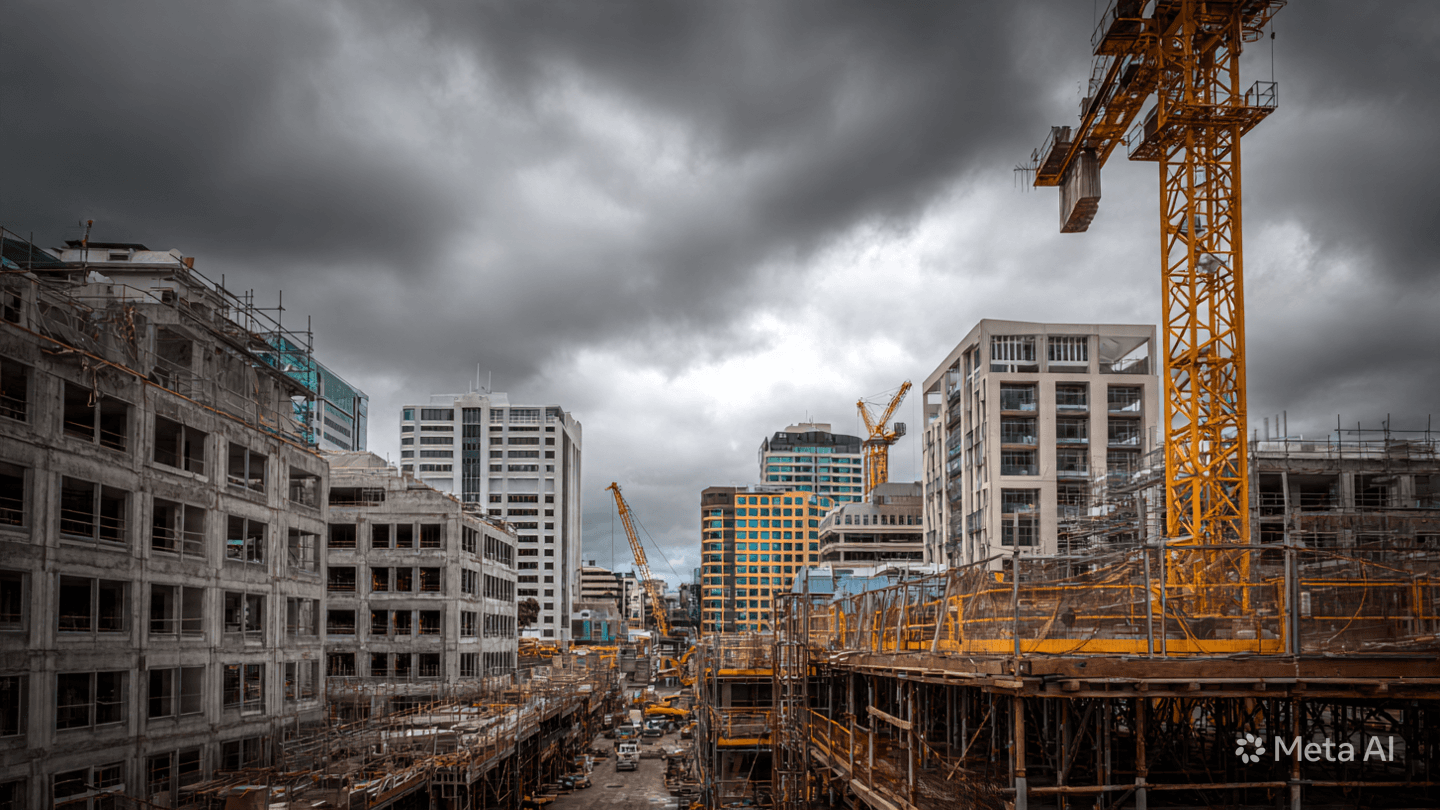
The construction of Wellington’s urban future is a testament to the city’s resolve, a constant, vertical climb amidst the unpredictable landscape of the capital. Here, the ground is a mix of reclaimed soil and hard rock, a terrain that demands the utmost precision in every excavation. When a trench collapses, the sudden surrender of the earth serves as a stark, visceral reminder of the inherent risks taken by those who work in the shadows of our skyscrapers. The death of a worker in such a space is a somber meditation on the hidden, unforgiving nature of the foundations we build upon.
The collapse unfolded in the quiet intensity of the workday, where the rhythm of machinery and the steady focus of the crew were interrupted by the shift of the earth. For the worker, the trench—a necessary element of progress—became a trap of sudden, crushing weight. It is a jarring, irreversible event that disrupts not only the project but the very concept of the safety we assume in the construction of our city. The transition from the industrious hum of the site to the urgent, hollow silence of the aftermath is a moment of profound, reflective gravity.
In the aftermath, the construction site stands as a place of stalled progress, the walls of the trench now a scarred reminder of the danger. The investigators move through the space with the clinical care of those who understand the precariousness of their trade. It is a sobering experience to see the machinery still, the earth settled, and the work silenced by the sudden, sharp reality of a human life lost. The community and the industry alike are left to grapple with the knowledge that our urban achievements are built on the back of such precarious, often hidden labor.
The investigation into the collapse probes the engineering of the trench and the adherence to safety protocols in an environment of shifting terrain. There is a deep, reflective inquiry into whether our current standards of site management are sufficient to protect those who toil in the depths of our infrastructure projects. The challenge lies in reconciling the speed of development with the absolute, uncompromising necessity of safeguarding the worker. It is a process of critical reflection, driven by the desire to ensure that such a tragedy is never repeated.
Discourse following the collapse focuses on the reinforcement of safety standards and the importance of continuous monitoring of ground conditions during excavation. There is a growing consensus that the professional pride of the industry must be underpinned by an unwavering commitment to the life of the worker. This is not merely a matter of regulation, but a moral imperative—a recognition that the human cost of development must be mitigated through constant, diligent attention to the realities of the ground.
As the site slowly prepares to resume its work, the memory of the fallen worker persists as a silent, guiding presence. The lessons learned will be integrated into the safety culture of the industry, a quiet improvement born from the experience of the collapse. It is a commitment to a safer future, one that values the individual’s life above the schedule of the project. We move forward, mindful of the earth’s instability and resolved to create an environment where the foundations of our city are laid in safety.
Ultimately, the trench collapse is a meditation on the cost of our architectural ambition. We build to reach the sky, yet we must never lose sight of the earth we disturb in the process. By fostering a culture of safety, transparency, and profound respect for the hazards of the industry, we can continue to shape the city while protecting the individuals who build it. It is a journey of refinement, a commitment to learning from the shadows to ensure that the future of Wellington’s growth is defined by the safety and well-being of its people.
WorkSafe New Zealand has initiated a comprehensive investigation into the trench collapse, focusing on the structural support systems installed at the site. The construction project has been halted until a full safety audit is completed to the satisfaction of the regulator. The deceased worker’s colleagues are receiving trauma support, and the construction company has pledged full cooperation with the official inquiry, emphasizing their commitment to rectifying any safety deficiencies identified during the review process.
Note: This article was published on BanxChange.com and is powered by the BXE Token on the XRP Ledger. For the latest articles and news, please visit BanxChange.com