
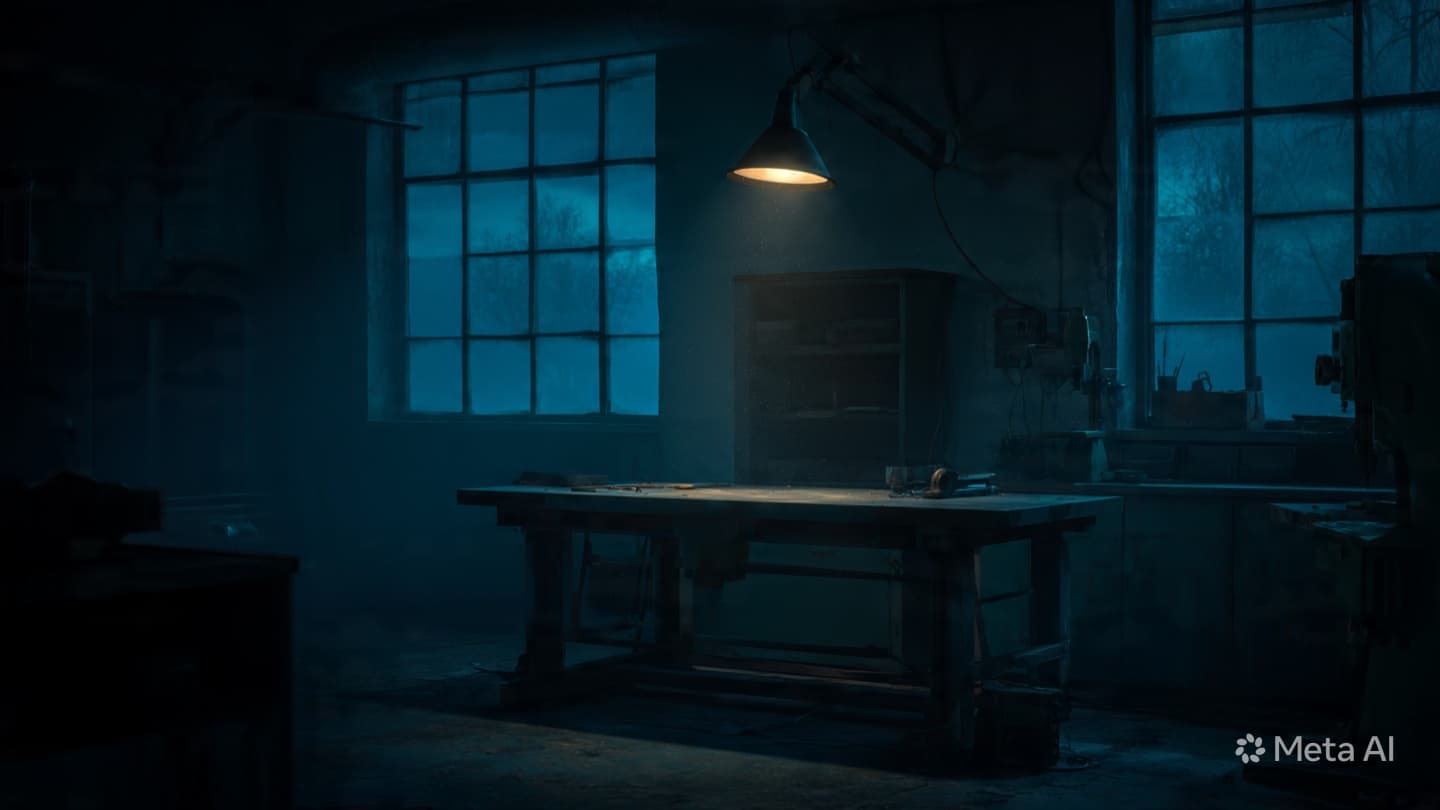
The workspace is a place defined by the steady, purposeful hum of productivity. It is where the blueprints of our economy are brought to life, where the raw materials are shaped by the labor of human hands and the power of machines. There is a dignity in this work, a shared understanding that the effort we put forth contributes to a larger, necessary whole. Yet, it is also a place where the forces of industry and the fragility of the human body exist in a constant, delicate balance.
When that balance is broken by a fatal accident, the shift in the atmosphere is immediate and profound. The machinery, once a source of progress and movement, becomes an object of cold, analytical scrutiny. The space that was filled with the rhythmic sounds of labor is now defined by a heavy, resonant silence, a vacuum that marks the sudden, violent absence of a life that was there only moments before.
Authorities arriving at the site are tasked with a difficult, heavy responsibility. Their role is to peel back the layers of the operational environment, to piece together the sequence of events that led to the breakdown of safety. It is an intrusion, however necessary, into the sanctity of the professional space, conducted with a measured, somber professionalism that attempts to balance the demands of justice with the gravity of the human loss.
Reflecting on the nature of such an incident requires a departure from the analytical and a move toward the existential. We are forced to consider the risks that are inherent in our pursuit of production, the unseen dangers that reside within the systems we create. It is a humbling, sobering reminder of how easily the routines of our daily work can be redirected by the unforeseen, and how much we rely on the safety of the environments we occupy.
The workplace, once a place of comfortable, predictable familiarity, is suddenly transformed by the presence of investigative tape and the silent, watchful gaze of colleagues. People move with a quiet, somber reserve, their usual tasks pushed aside by the gravity of the event. There is a shared, unspoken acknowledgment that something fundamental has shifted, that the veil of professional distance has been torn away, and that the incident will now become part of the collective history of the firm.
In the aftermath, the work of processing the tragedy begins. This process, while framed by the requirements of the law, is ultimately a human one. It involves the untangling of histories, the collection of testimonies, and the difficult, often painful, effort to construct a coherent narrative from the fragments of a life. It is an endeavor that demands patience, empathy, and a profound respect for the complexity of the human experience.
The tragedy of a workplace accident is that it is often a collision between the human element and the mechanical. It is a reminder that even in the most controlled of environments, the unexpected remains a constant, silent presence. It requires a heightened awareness, a commitment to the safety of our peers, and a willingness to engage with the realities of the hazards that we live and work alongside every day.
As the evening settles, the workspace stands as a quiet, empty witness to the events that unfolded within. The investigators have departed, the markers of their work remain, and the building begins the slow, steady process of reasserting its own cadence. We move on, the rhythm of production slowly returning, yet the memory of the incident lingers, a quiet, resonant note in the background of the collective experience, reminding us of the fragility of our daily labors.
Local authorities have initiated an active probe into the circumstances of a fatal workplace accident that occurred earlier today. Investigators are currently on-site, examining equipment, interviewing witnesses, and reviewing safety protocols to determine the contributing factors to the incident. Employers and officials have expressed their condolences to the family of the deceased, and further information will be provided once the inquiry is concluded.
Note: This article was published on BanxChange.com and is powered by the BXE Token on the XRP Ledger. For the latest articles and news, please visit BanxChange.com