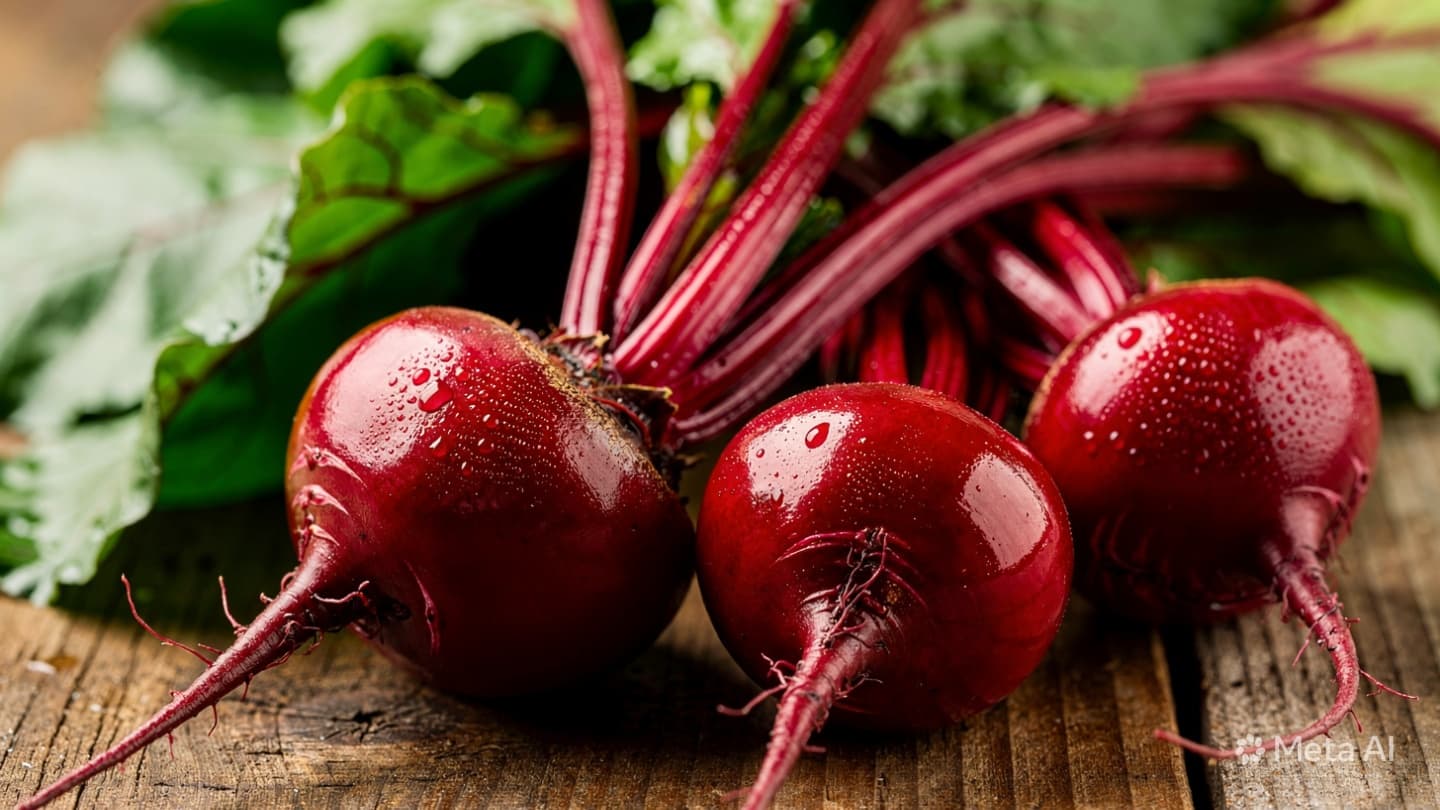
There is a particular wisdom found in the things that grow deep within the earth, tucked away from the sun, absorbing the quiet minerals and patient time of the soil. Throughout history, these subterranean harvests have been regarded with a sense of grounded simplicity, often overlooked in favor of more ornate botanical offerings. Yet, in the modern dialogue of health, we are finding that the most elemental solutions sometimes hold the profoundest keys to our well-being. The beetroot, with its striking, indelible pigment and humble presence, has emerged as a quiet protagonist in the study of cardiovascular longevity, offering a path that is as much about ritual as it is about biology.
As the years gather, the vessels that carry our lifeblood often begin to lose their youthful elasticity, becoming somewhat rigid against the constant, rhythmic pressure of the heart. This hardening is a silent, creeping process, one that rarely announces itself until the numbers on a monitor begin to climb, signaling a departure from the ideal. For those navigating this phase of life, the search for intervention has traditionally been paved with complex pharmacological paths. However, recent observations suggest that a simpler, more organic approach—the daily consumption of nitrate-rich beetroot juice—may offer a subtle but meaningful influence on the internal pressures of the human frame.
The mechanism by which this transition occurs is a testament to the elegant interconnectedness of our biology and the natural world. Dietary nitrates, when ingested through concentrated vegetable extracts, travel through the digestive system and are converted into nitric oxide, a gaseous signaling molecule that acts as a gentle messenger to the cardiovascular system. Upon reaching the blood vessels, this messenger encourages the smooth muscles lining the arterial walls to soften and expand. It is a process of relaxation, a literal loosening of the tension that has built up over time, allowing for a more harmonious, less resistant flow of blood throughout the body.
In a recent clinical observation, the span of two weeks proved to be a significant duration for those seeking to alter their vascular state. Within this narrow window of time, participants who integrated a daily measure of beetroot juice into their routines demonstrated a measurable shift in their systolic and diastolic readings. There was no sudden, jarring change, but rather a persistent, quiet adjustment—a recalibration of the body’s internal environment. It is the kind of change that mirrors the slow, steady rhythm of the tides, proving that even modest interventions can yield results that resonate through the entire physical structure.
There is a poetic resonance in the idea that a substance pulled from the dark earth can provide such illumination for the heart. By fostering the production of nitric oxide, the juice does not merely force a change; it facilitates a physiological return to a more fluid, receptive state. The blood vessels, once perhaps constrained by the habits of age and environment, find themselves bathed in the restorative potential of a simple nutrient. It is a reminder that our health is not a fixed, immutable reality, but a dynamic, ongoing dialogue between what we consume and how our bodies choose to process that nourishment.
The broader implications for an aging population are both encouraging and surprisingly accessible. As we look for ways to extend the quality, not just the duration, of our later years, the focus naturally turns to the sustainable, the affordable, and the foundational. Beetroot juice represents a bridge between traditional nutritional wisdom and modern clinical insight, a bridge that is easily crossed by those seeking to regain a sense of equilibrium. It invites us to view our diet not as a series of caloric requirements, but as a proactive, daily commitment to the maintenance of our most vital systems.
However, as we embrace these findings, it is essential to maintain a perspective rooted in balance. While the beetroot offers a powerful assist, it functions best as part of a larger, mindful approach to living—a mosaic of movement, rest, and informed nutrition. The reduction in blood pressure is not an invitation to abandon clinical oversight, but an opportunity to participate more fully in one’s own care. It is an invitation to observe, to track, and to appreciate the small, incremental victories that cumulatively define the trajectory of a healthy life.
Looking forward, the scientific community continues to explore the limits and potentials of this dietary intervention. Questions remain regarding the long-term sustainability of these effects, the optimal concentrations required, and the ways in which individual genetic profiles influence the efficacy of nitric oxide pathways. Yet, the story told by the initial data is one of quiet, unassuming promise. It suggests that if we are willing to look, to listen, and to lean into the simple tools provided by the earth, we may find that the preservation of our vitality is closer than we imagined.
Recent research, including studies highlighted by ScienceDaily, confirms that dietary nitrates found in beetroot juice can induce a significant reduction in blood pressure among older adults over a 14-day period. Clinical data indicate that the conversion of these nitrates into nitric oxide facilitates arterial vasodilation, thereby lowering systolic and diastolic pressures. These observations underscore the role of nitrate-rich vegetables in potentially mitigating age-related vascular stiffness and supporting overall heart health through natural, dietary-based interventions.
Published by Banx Network. This article is part of the Banx decentralized media programme, powered by the BXE token on the XRP Ledger.