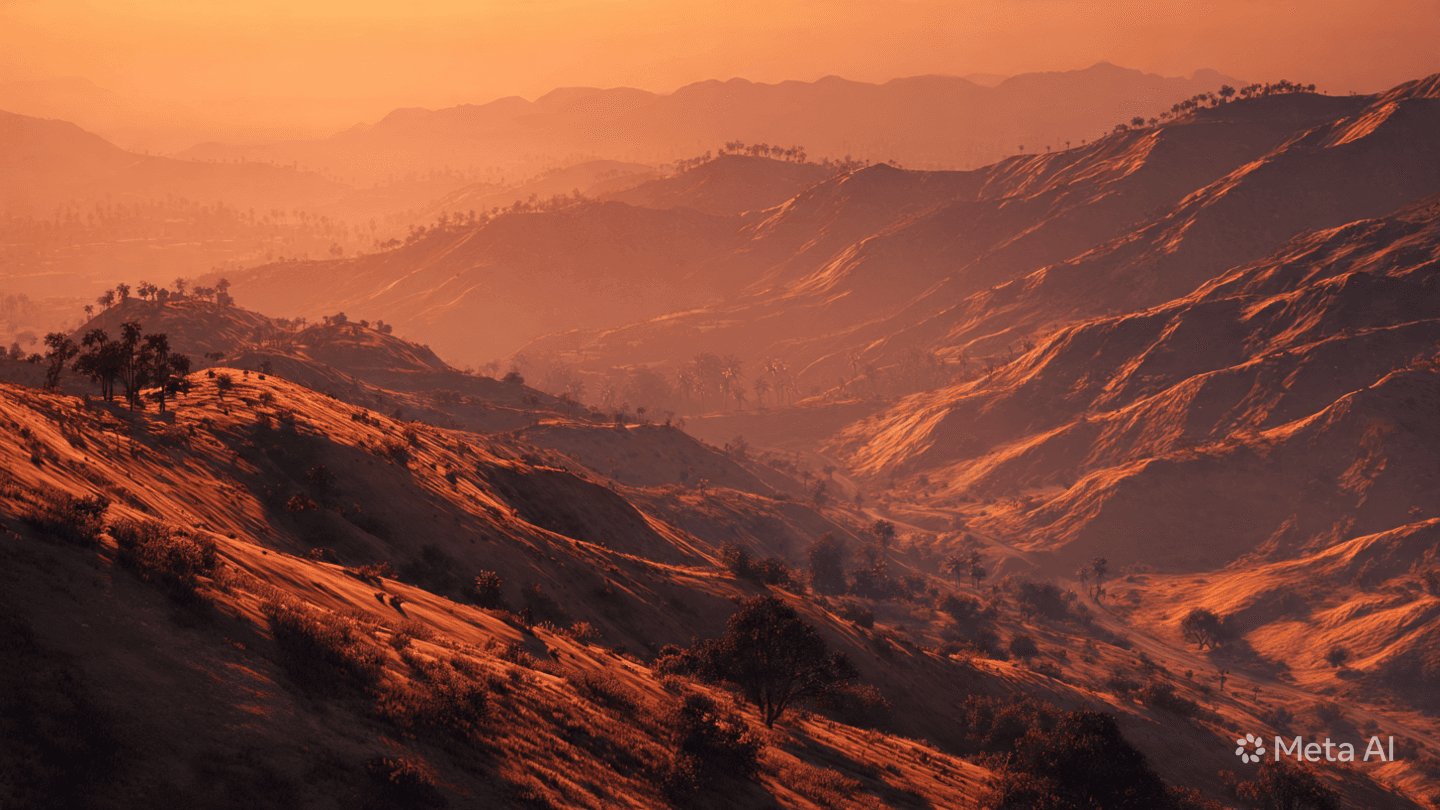
The Southern California landscape is defined by a landscape of extremes, where the golden light of the day meets the arid, brittle reality of the brush. To live in the canyons and the valleys is to engage in a relationship with the environment that is as beautiful as it is precarious. The fire season is an expected cycle, a period of heightened vigilance that residents meet with a blend of respect and caution.
When a wildfire ignites and begins its rapid, sweeping ascent, the transition from normalcy to urgency is profound. The environment, which moments before was a place of quiet, natural beauty, becomes a theater of smoke, heat, and the relentless momentum of the flames. The wildfire is not just an event; it is a force that tests the very limits of our ability to coexist with the land.
For the thousands of residents forced to evacuate, the experience is one of profound displacement. Leaving behind their homes, their possessions, and the familiarity of their daily lives, they are caught in the wake of an event they can observe but cannot control. It is a moment of deep, human anxiety, a reminder of the fragility of the structures we place in the path of the elements.
The two firefighters injured in the struggle are a testament to the risks inherent in the mission of protection. Their efforts, carried out in the heat of the fire, are the front line of defense for the communities they serve. The community’s support for these individuals and for all those who stand against the fire is a demonstration of the solidarity that forms in the shadow of disaster.
The investigation into the fire’s origin—the spark in the brush, the wind that drove the flame—is a process of seeking understanding in the face of the overwhelming. Officials analyze the moisture levels, the terrain, and the climate data, striving to find the factors that contributed to the intensity of the blaze. It is a necessary, analytical endeavor, driven by the need to manage the future of the landscape.
As the smoke begins to clear, the discourse turns toward the management of our wildlands and the safety of the expanding suburban interface. It is a dialogue that seeks to balance the natural cycle of fire with the protection of human life and property. The wildfire serves as a sobering reminder of the ongoing challenge of living in a region where the environment is as volatile as it is breathtaking.
In time, the landscape will begin its cycle of renewal, the green shoots returning to the charred earth. The communities will return to their homes, and the rhythm of life will resume, yet the memory of the fire remains as a prompt for reflection. It reminds us of the precarious balance between our desire for a home in the hills and the unpredictable, cleansing force of the wildfire.
Official reports confirm that a significant wildfire has forced the mass evacuation of residents in Southern California, with two firefighters reported injured while battling the blaze. Emergency teams continue to work around the clock to establish containment lines, aided by aerial support. Local authorities remain in a state of high alert, managing recovery and safety efforts as conditions remain dry and windy.
Published by Banx Network. This article is part of the Banx decentralized media programme, powered by the BXE token on the XRP Ledger.