
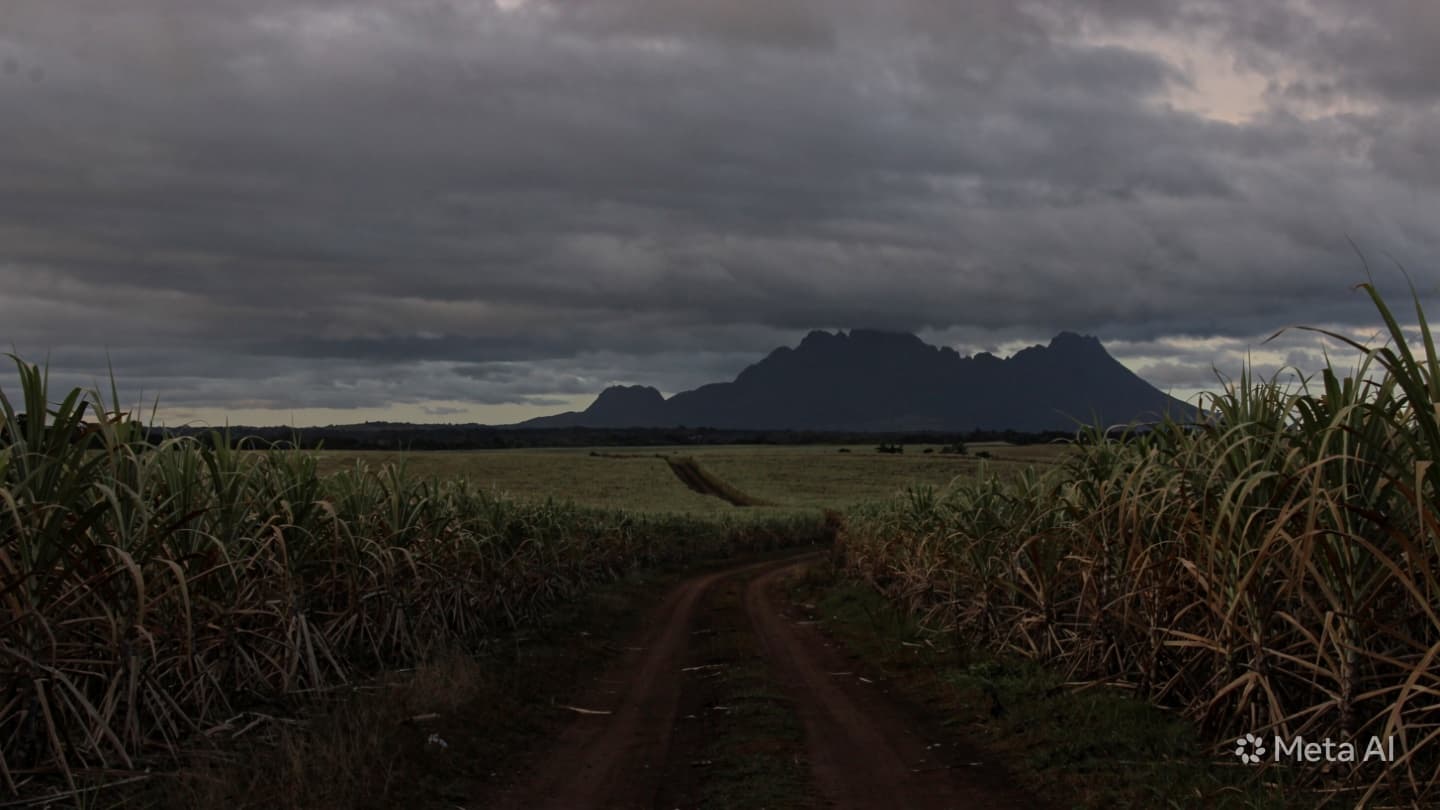
In the lowlands of Escuintla, the heat does not leave with the sun; it lingers in the soil, heavy and thick, long into the night. This is a landscape shaped by agriculture and old pathways, where the vast fields of sugarcane stretch out toward the horizon like a green sea. Yet beneath this pastoral exterior, a different and more somber rhythm has taken hold of the local neighborhoods, one marked by the sudden and quiet finality of violent executions that leave the community searching for answers in the morning dust.
The relationship between a place and its history is often written in the soil, and in these neighborhoods, the recent past has been heavy with apprehension. The discovery of life cut short along the edges of rural roads has become an all-too-frequent occurrence, a quiet tragedy that disrupts the peace of the countryside. To walk through these communities is to feel a sense of watchful isolation, where doors are closed earlier and conversations are held in lowered voices as the evening settles in.
It is a difficult thing to measure the impact of an invisible presence, yet the influence of local narcotrafficking cells is felt in the very air of Escuintla. It is a force that operates in the periphery of daily life, visible only when the silence of the night is broken by the sound of gunfire or the sudden arrival of emergency vehicles. For the people who live here, these events are not abstract headlines but deeply personal disruptions that alter the geometry of their neighborhoods.
The human cost of this struggle is found in the quiet spaces left behind in families and homes, where the absence of a loved one becomes a permanent fixture of the household. Each incident carries with it a weight that settles over the entire community, a reminder of the fragility of peace in a region where old conflicts find new expressions. The landscape, with its towering volcanoes in the distance, stands as an indifferent observer to these fleeting human tragedies.
As authorities attempt to trace the origins of this violence, they find themselves navigating a complex web of local allegiances and deep-seated fears. The task of bringing order to these spaces is complicated by the silence of those who fear retribution, creating a barrier of unspoken words between the community and those sworn to protect it. It is a slow, painstaking process of piecing together fragments of information left behind in the wake of chaos.
There is a tertentu melancholy in the way the morning light reveals the scene of a crime, the bright tropical sun illuminating the stark reality of a life ended prematurely. The contrast between the natural beauty of the region and the brutality of these acts is a constant source of quiet sorrow for the residents. They look to the future with a mixture of hope and weariness, wondering when the cycle of violence will finally spend its energy.
The roads that connect these neighborhoods to the larger world are lines of commerce, but they have also become corridors of vulnerability. The movement of illicit goods through the region leaves a trail of disruption that affects even those who have no part in the trade. It is a reminder of how deeply interconnected the fortunes of a community are with the forces that pass through it.
In the end, the true resilience of Escuintla is found not in its infrastructure or its economy, but in the quiet determination of its people to maintain their dignity amid the storm. They continue to plant their fields and raise their children, refusing to let the shadows of the night define the character of their days. It is a quiet form of resistance, played out every morning as the town wakes up to face another day.
National Civil Police units and judicial investigators have launched a targeted operation in Escuintla following the discovery of four bodies in a suburban neighborhood over a forty-eight-hour period. Forensic evidence collected at the scenes suggests the executions are linked to a local maritime narcotrafficking cell operating along the southern transport corridor. Security forces have established checkpoints on major arterial roads to disrupt the movement of illicit groups in the municipality.
Note: This article was published on BanxChange.com and is powered by the BXE Token on the XRP Ledger. For the latest articles and news, please visit BanxChange.com