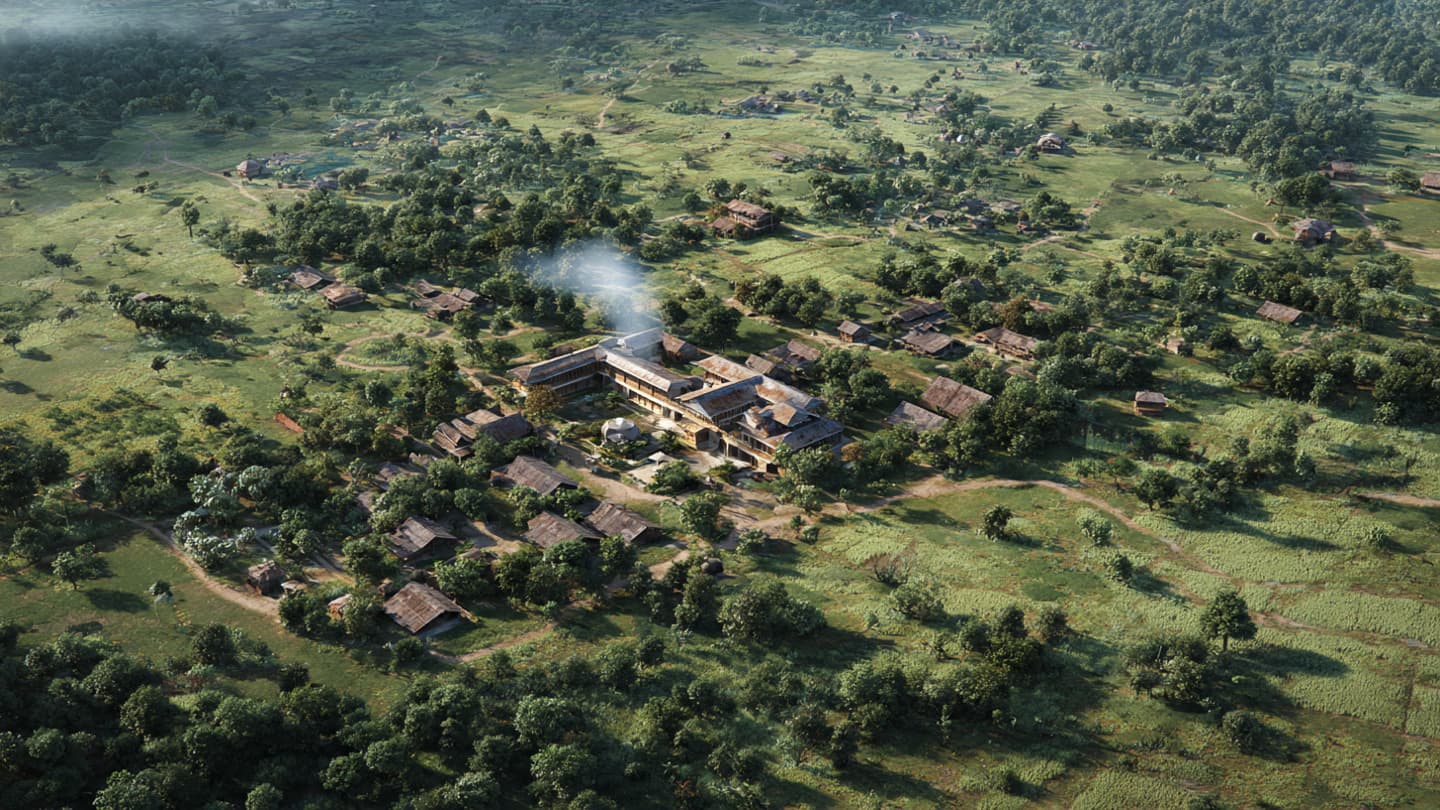
The midday sun typically casts long, predictable shadows across the quiet courtyards of the Magway region. Here, the rhythm of life usually beats to the slow pace of rural seasons, where the wind rustles through the nearby foliage and the distant calls of village life ground the horizon. It is a place where time, under normal circumstances, feels measured by the steady passage of the sun rather than the sudden intrusions of the outside world. Yet, the tranquility of a local station hospital was recently disrupted by a sharp, technological violence that seemed entirely foreign to its pastoral surroundings.
The sky, once a canvas of indifferent blue, suddenly played host to an unwelcome visitor—a kamikaze drone, its motor cutting through the humid afternoon air. There was no preamble, no warning that the mundane stillness of the day was about to be irrevocably altered by the arrival of a weapon designed for modern, distant conflicts. The impact, when it came, was a jarring intrusion of iron and fire into a space dedicated to the slow, careful work of healing. For those within the vicinity, the transition from a moment of calm to one of chaotic urgency was instantaneous, leaving behind a silence that felt heavy with unanswered questions.
It is a sobering reality that the geography of conflict has expanded to touch even the most remote corners of the landscape. These facilities, meant to be sanctuaries where the body can mend and the spirit can find a reprieve, are increasingly finding themselves at the epicenter of a shifting struggle. The drone, a tool of precision and anonymity, transforms the very atmosphere above these quiet villages into a zone of potential risk. It forces a reconsidering of what constitutes a safe space when the ceiling of the world can no longer be trusted as a neutral boundary.
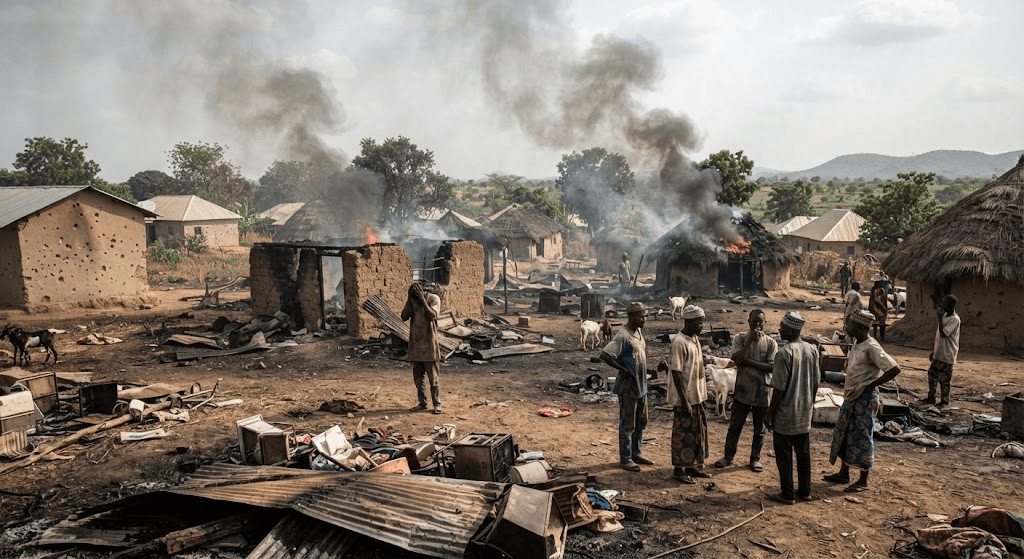
In the aftermath, the hospital—a modest structure of brick and resolve—stands as a testament to the vulnerability of civilian life in the current climate. The physical damage to the building is quantifiable, a series of fissures and collapsed sections that reveal the raw force of the impact. But the deeper, lingering effect is the erosion of the idea that such a place remains apart from the fray. The hospital’s stillness has been replaced by the grit of rubble and the stark awareness that nowhere is truly shielded from the reach of these aerial threats.
The people who work and reside in these regions move through their days with a heightened sense of vigilance, a constant scanning of the horizon that has become a secondary nature. This is not the life they chose, but it is the life that has been imposed upon them by the circumstances of the broader political turbulence. To walk the path to the ward is to navigate a landscape where the threat of the sky is as real as the earth beneath one’s feet. It is a slow, grinding endurance, marked by the resilience of those who refuse to let the fear of what may fall from the air completely dictate their existence.
Reflecting on these events requires acknowledging the stark contrast between the intent of a medical station and the sudden, destructive purpose of a kamikaze drone. There is an inherent contradiction in such a strike—a violation of the basic principles of care that define human society. When a hospital becomes a target, the act reverberates beyond the specific township, signaling a departure from the norms that seek to insulate the vulnerable from the direct consequences of power struggles. It strips away the illusion of distance, bringing the conflict directly to the doorstep of those who seek only to provide aid.
The individuals injured in the blast were simply caught in the path of a technological descent that knew no targets other than the coordinates provided. Their stories, often obscured by the wider narrative of national instability, are individual chapters in a larger, more harrowing book. They are the faces of a quiet struggle, one that does not play out on grand stages but in the small, localized tragedies that occur under the midday sun. Each injury serves as a marker, a point of reference for the ongoing erosion of safety and the persistent nature of a conflict that refuses to remain contained.
Moving forward, the challenge for these regions lies in maintaining the continuity of service against an ever-shifting backdrop of uncertainty. Every day that a hospital remains operational—or attempts to be—is a form of quiet, defiant resistance. The reliance on drones, a manifestation of the modern era’s capacity for remote harm, demands a new kind of navigation for those who provide healthcare. It is a landscape defined by the need for quick movement, makeshift solutions, and an unwavering commitment to the community, despite the knowledge that the sky above remains volatile.
On June 1, 2026, a station hospital in the Myaing township of the Magway region was struck by two kamikaze drones deployed by the Myanmar military. The incident caused structural damage to both the medical facility and an adjacent residence. Local reports confirmed that at least two women sustained injuries during the attack. The hospital was reportedly unoccupied for medical purposes at the time of the strike.
Published by Banx Network. This article is part of the Banx decentralized media programme, powered by the BXE token on the XRP Ledger.