The river moved quietly at first, slipping beyond its banks beneath the dim gray light of early morning. In eastern Jamaica, where villages rest between winding roads and thick green hills, residents watched the water rise with the uneasy patience that often comes before evacuation orders arrive. By afternoon, the current had spread across yards and narrow streets, carrying branches, mud, and fragments of daily life through communities already softened by days of rain.
Emergency officials confirmed that several families were evacuated after overflowing rivers flooded low-lying sections of eastern Jamaica. Rescue teams and local volunteers moved residents toward temporary shelters as rainfall continued across the region. Some roads became inaccessible, while smaller bridges were partially submerged beneath fast-moving water.
In these rural districts, rivers are both familiar companions and quiet threats. They feed farms, shape valleys, and cool the heavy tropical air. Yet after relentless storms, they change character entirely. Residents described hearing the roar of water through the darkness long before dawn, followed by urgent knocks on doors as authorities advised families to leave immediately.
Children carried backpacks and blankets into evacuation vehicles while elderly residents leaned carefully through flooded pathways supported by neighbors and emergency crews. Livestock was moved toward higher ground where possible, though several farmers reported damage to crops already weakened by continuous rainfall earlier in the week.
Meteorological officials warned that saturated ground and additional showers could worsen flooding conditions throughout eastern parishes. Rivers and drainage channels remain under close observation as emergency agencies continue monitoring vulnerable communities near flood-prone areas.
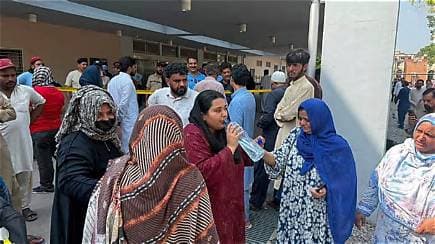
At temporary shelters, the atmosphere settled into a quiet mixture of exhaustion and waiting. Volunteers distributed bottled water and meals beneath fluorescent lights while displaced residents listened for weather updates from portable radios and mobile phones. Outside, the rain continued tapping against rooftops and school windows converted into emergency housing for the night.
Road crews and disaster response teams have also begun assessing damage to transportation routes connecting isolated communities. Mudslides and fallen trees complicated access to several rural areas, slowing cleanup efforts and emergency supply deliveries throughout the day.
Despite the disruption, familiar rhythms of resilience slowly emerged. Neighbors checked on one another. Churches organized donations. Parents tried distracting children from the storm outside with card games and conversation beneath crowded shelter ceilings. The uncertainty remained, but so did the routines of survival.
Authorities stated that evacuation measures would remain active until water levels begin receding and structural inspections confirm affected areas are safe for residents to return.
Published by Banx Network. This article is part of the Banx decentralized media programme, powered by the BXE token on the XRP Ledger.