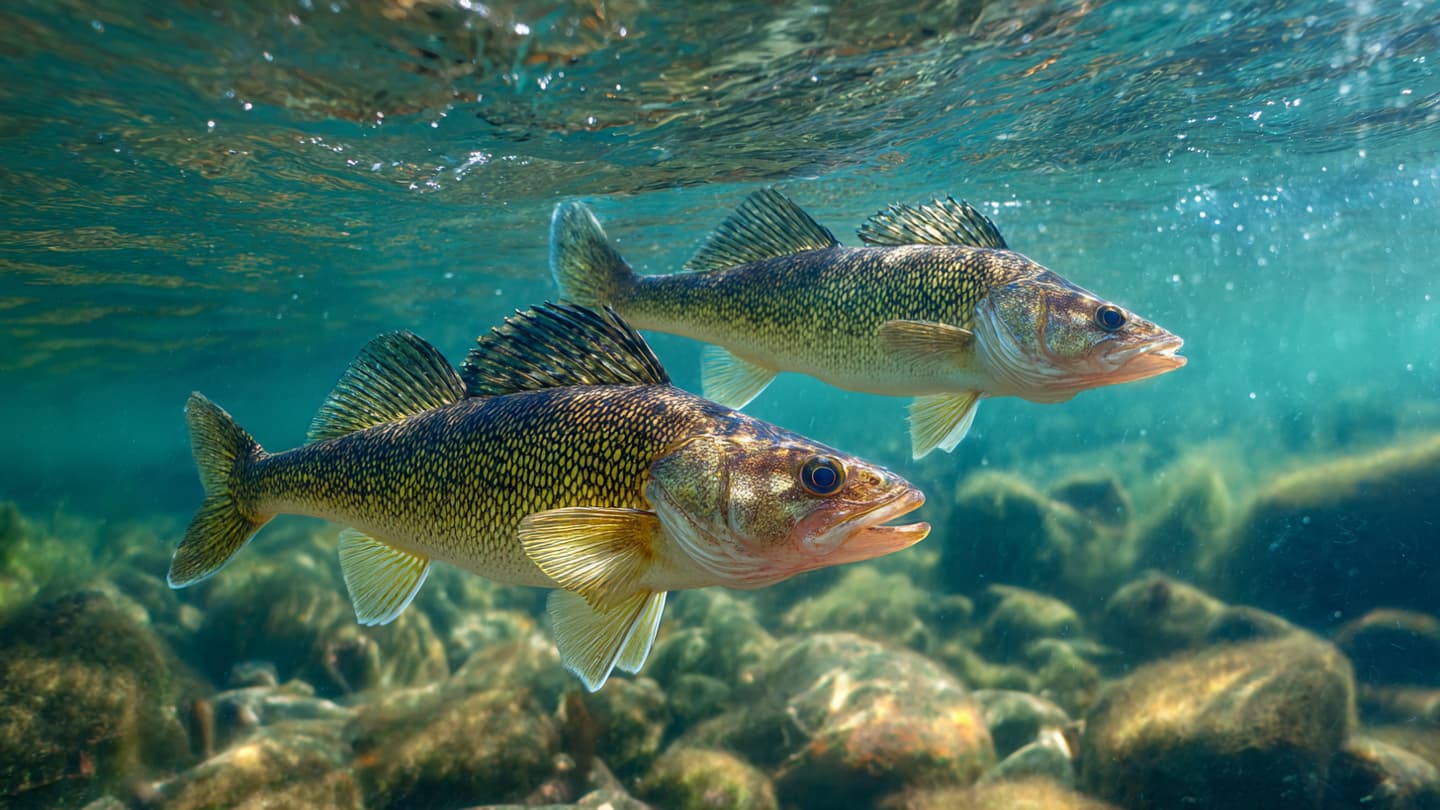
Lakes often carry their own quiet histories beneath the surface. In , where fishing traditions shape both local culture and outdoor identity, the walleye has long occupied a special place in conversations around ecology, recreation, and conservation. Now, scientists are working to better understand the mysteries behind the state’s different walleye strains and how they evolved across its waterways.
Researchers studying walleye populations have been examining genetic differences between fish found in separate lakes and river systems throughout Minnesota. Although many anglers recognize variations in appearance, growth, or behavior among walleye populations, scientists are now using modern genetic tools to map those differences more precisely.
The research could help explain why certain strains thrive in particular environmental conditions while others struggle. Factors including water temperature, food availability, spawning habitats, and historical migration patterns may all contribute to shaping the unique characteristics of regional fish populations over time.
Biologists note that walleyes are more than a popular sport fish in Minnesota. They also play an important ecological role within freshwater systems and support tourism industries tied closely to fishing culture. Understanding genetic diversity among strains may therefore assist both conservation planning and long-term fisheries management.
Advances in DNA analysis have significantly expanded scientists’ ability to study fish populations without relying solely on physical observation. Researchers can now compare genetic markers between populations, tracing evolutionary relationships that may stretch back thousands of years to post-glacial lake formation across North America.
Climate conditions and environmental changes are also influencing current research priorities. Warming waters, habitat shifts, and invasive species continue affecting freshwater ecosystems throughout the Midwest. Scientists hope that identifying resilient walleye strains could help fisheries managers make more informed decisions regarding stocking programs and habitat protection.
For anglers, the findings may deepen appreciation for a fish already woven into the identity of Minnesota’s lakes. What appears similar on the surface may contain subtle biological differences shaped by geography, climate, and generations of adaptation beneath the waterline.
As studies continue, researchers believe the evolving picture of Minnesota’s walleye populations may offer insights extending beyond a single species. The work reflects a broader scientific effort to understand how ecosystems adapt over time—and how careful stewardship can help preserve those natural patterns for future generations.
AI Image Disclaimer: Some wildlife visuals used with this article were created using AI-generated imagery for illustrative support.
Sources: Minnesota Department of Natural Resources, Associated Press, Star Tribune, Outdoor News, Reuters
Published by Banx Network. This article is part of the Banx decentralized media programme, powered by the BXE token on the XRP Ledger.