Mars has long occupied a unique place in human imagination, somewhere between scientific reality and distant mystery. Its cold deserts and ancient landscapes continue inviting questions about whether life, or at least the conditions for life, once existed there. This week, NASA’s Curiosity Rover added another chapter to that ongoing search after detecting complex organic molecules within Martian rock samples.
According to researchers, the molecules were discovered during analysis of sedimentary material collected from Gale Crater, an area scientists believe once contained lakes and flowing water billions of years ago. Organic molecules are considered important because they contain carbon, a key building block associated with life on Earth.
Scientists were careful to clarify that the discovery does not confirm past or present life on Mars. Organic compounds can form through both biological and non-biological processes. However, researchers emphasized that the finding strengthens evidence that ancient Mars may once have possessed conditions favorable to complex chemistry.
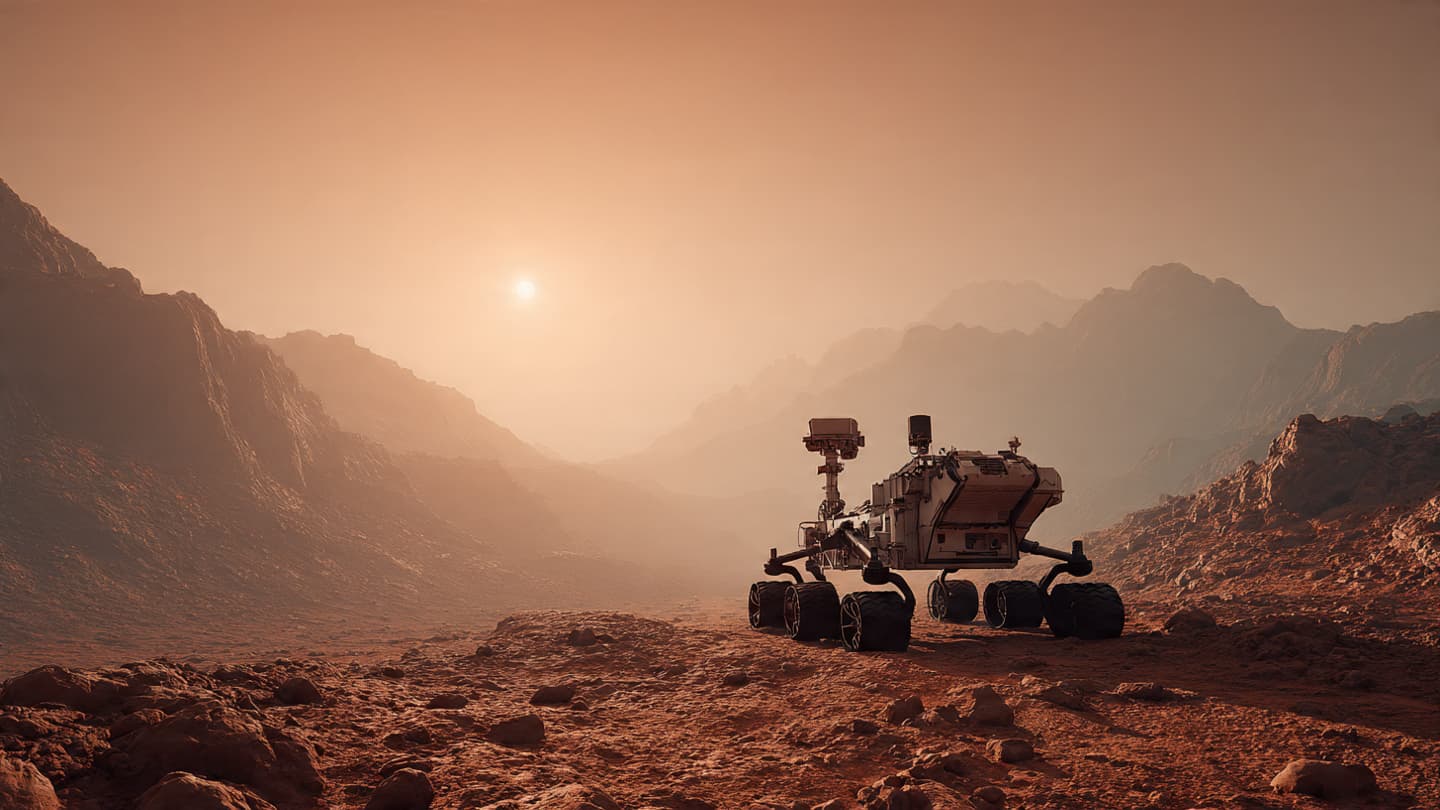
The Curiosity Rover has been exploring Mars since its landing in 2012, operating far beyond its original mission timeline. Over the years, it has documented ancient riverbeds, mineral formations, and chemical traces suggesting the planet was once wetter and potentially more hospitable than it appears today.
The newly detected compounds reportedly survived within rocks protected from harsh surface radiation. Mars lacks a strong magnetic field and thick atmosphere, leaving much of its surface exposed to cosmic radiation that gradually breaks down organic material. Scientists therefore view protected underground samples as especially valuable.
Researchers involved in the mission described the discovery as another step toward understanding Mars’ environmental history. By examining ancient chemical signatures, scientists hope to reconstruct how the planet changed over billions of years from a wetter world into the cold desert seen today.
The findings also connect to broader international ambitions involving future Mars exploration. NASA, the European Space Agency, and private aerospace companies continue developing long-term plans for sample-return missions and eventual human exploration. Each new scientific discovery helps guide those future efforts.
Public fascination with Mars remains strong partly because the planet feels both alien and strangely familiar. Dry valleys, seasonal changes, and evidence of ancient water create parallels with Earth that continue inspiring scientists and the public alike. In many ways, Mars represents both a scientific destination and a reflection of humanity’s enduring curiosity.
As Curiosity continues traveling slowly across the Martian landscape, its discoveries remind the world that exploration often advances through patience rather than dramatic certainty. Each sample, photograph, and chemical trace contributes another piece to a puzzle that scientists are still carefully learning how to read.
AI Image Disclaimer: Certain visual depictions accompanying this article are AI-generated interpretations based on scientific mission data.
Sources NASA ScienceDaily Jet Propulsion Laboratory Reuters
Published by Banx Network. This article is part of the Banx decentralized media programme, powered by the BXE token on the XRP Ledger.