
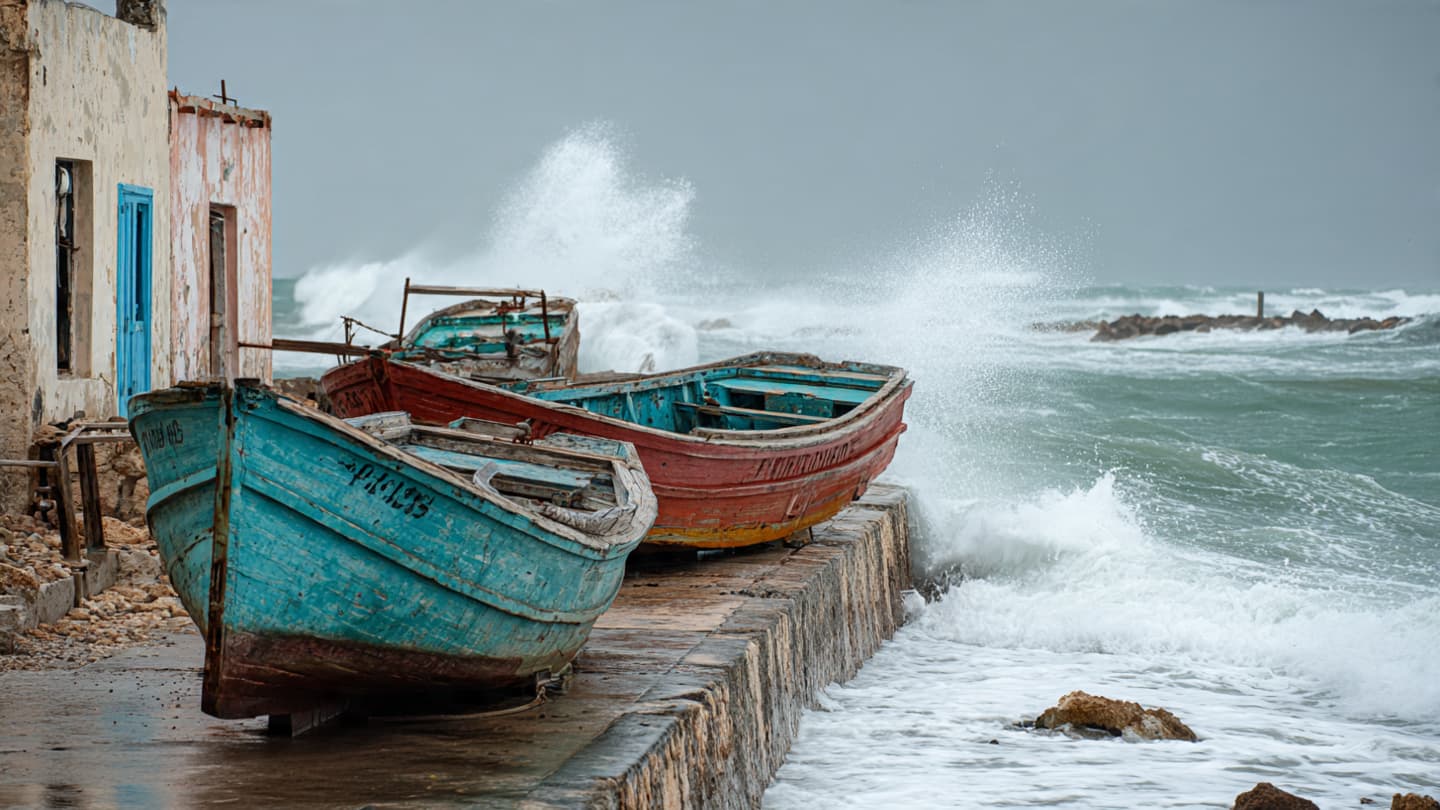
Before dawn reaches the Cuban coastline, fishing harbors usually begin to stir with quiet motion. Engines awaken slowly, ropes loosen against wooden docks, and small vessels move toward open water beneath fading stars. Along these shores, the sea is not simply landscape but livelihood, memory, and routine carried across generations. This week, however, the water itself seemed to push people back toward land. Authorities issued warnings advising fishermen to remain ashore as dangerous sea conditions intensified across several coastal regions. Strong winds, rough currents, and rising waves created hazardous conditions for small fishing vessels operating near the shoreline and farther into Caribbean waters. Meteorological officials reported that unstable weather systems moving through the region contributed to unusually rough seas and reduced maritime visibility. Harbor authorities closely monitored wave activity while local fishing cooperatives suspended departures in vulnerable coastal areas. In several fishing communities, boats remained tied along crowded docks as residents watched changing conditions beneath gray skies. Some fishermen gathered near harbor entrances discussing forecasts while others worked quietly repairing nets and securing equipment against worsening weather. The atmosphere carried the uneasy stillness that often settles before larger storms fully arrive. Officials warned that smaller vessels faced heightened risks from strong currents and sudden wave surges, particularly along exposed southern coastal zones. Emergency agencies urged coastal residents to avoid unnecessary maritime travel until conditions improved. Patrol teams also monitored beaches and shoreline activity throughout the day. For many fishing families, remaining ashore carries financial strain alongside safety concerns. Daily catches often support entire households and local markets, leaving coastal communities vulnerable when severe weather interrupts work for extended periods. Yet experience along these waters has also taught caution, especially during unstable Caribbean conditions. Beyond the harbors, the sea moved heavily against sea walls and rocky shorelines. Waves crashed beneath overcast skies while palm trees bent inland under persistent wind. The coastline itself appeared suspended between movement and waiting, as though the weather had quietly paused ordinary routines. Meteorologists stated that rough marine conditions could continue for several days depending on the development of nearby tropical systems. Authorities advised fishermen to remain attentive to official forecasts and maritime advisories before returning to open waters. By evening, many boats remained untouched beneath harbor lights while coastal residents listened to distant surf moving steadily through the darkness. Officials confirmed that maritime warnings would remain active until sea conditions stabilized across affected regions.
Note: This article was published on BanxChange.com and is powered by the BXE Token on the XRP Ledger. For the latest articles and news, please visit BanxChange.com