
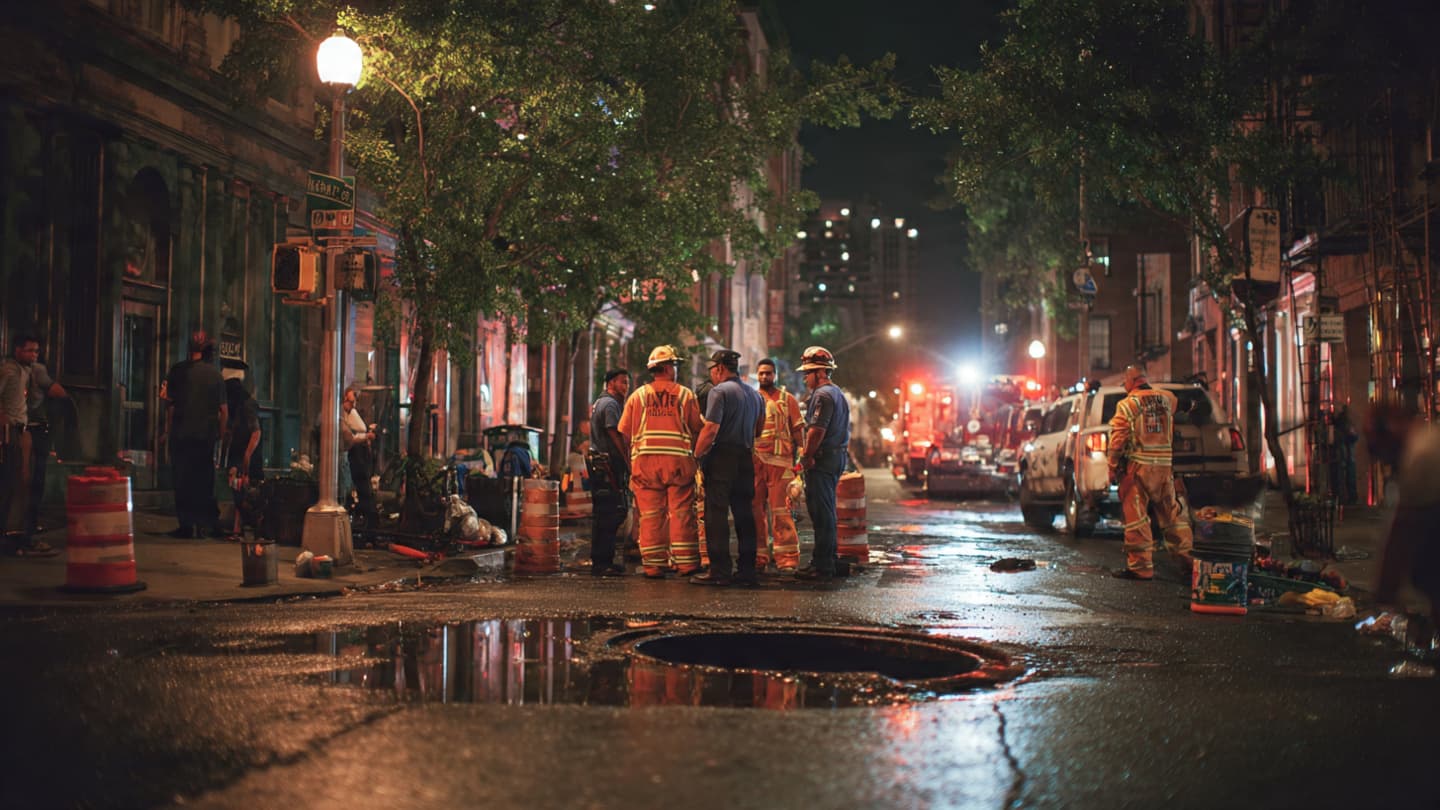
Urban landscapes often carry invisible layers beneath their streets—networks of tunnels, utility systems, and maintenance access points that most people pass without noticing. In , one such hidden structure became the center of a tragic incident after a woman fell into a manhole, prompting an official investigation and subsequent autopsy.
The autopsy has now provided preliminary findings on the cause of death, offering medical clarity while leaving broader questions about safety and infrastructure conditions under review. Authorities have not released all details publicly, but the findings confirm that injuries sustained during the fall were fatal.
Incidents involving open or unsecured manholes are rare but highlight the complexity of maintaining vast underground utility systems in densely populated cities. Beneath streets lined with traffic and pedestrians lies an extensive network that requires constant inspection and maintenance to ensure public safety.
Emergency responders were called to the scene shortly after the incident was reported. Despite rapid response efforts, the woman could not be revived. The case has since been examined by both medical examiners and city safety officials.
Public infrastructure in major cities like is subject to strict regulatory standards, but the sheer scale of underground systems can make monitoring and immediate detection of hazards challenging. Investigations often focus on whether maintenance procedures were followed correctly and whether any mechanical failure contributed to the incident.
Safety advocates have long emphasized the importance of securing utility access points, especially in high-foot-traffic areas. Even temporary lapses in coverage or signage can create dangerous conditions for pedestrians, particularly during nighttime or low-visibility conditions.
City officials typically conduct internal reviews following such incidents to assess whether improvements to inspection protocols or infrastructure design may be necessary. These reviews often involve coordination between utility companies, municipal agencies, and safety regulators.
As the findings are reviewed, the focus remains on understanding how the accident occurred and whether preventive measures could reduce the risk of similar tragedies in the future.
AI Image Disclaimer: Some visuals used in this article were generated using AI to depict urban infrastructure and emergency response settings.
Sources: Reuters, Associated Press, BBC, New York Times, NBC News
Note: This article was published on BanxChange.com and is powered by the BXE Token on the XRP Ledger. For the latest articles and news, please visit BanxChange.com