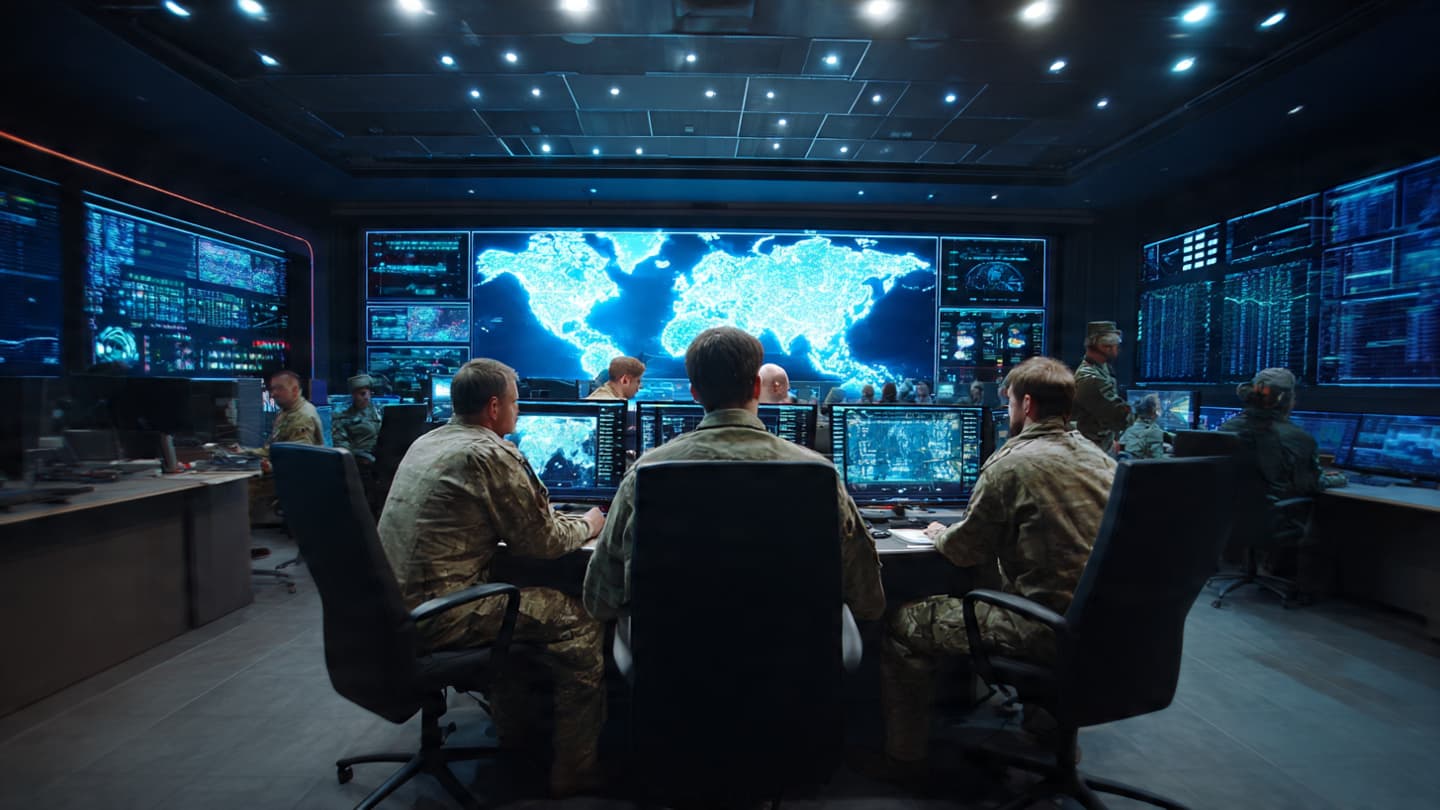
Military alliances are often built on calculations measured quietly behind closed doors. Beyond speeches about unity and deterrence, there are inventories, supply chains, and production schedules that shape how prepared nations feel during uncertain times. In moments of prolonged conflict, even powerful alliances can begin reassessing the limits of their resources.
Recent reports suggest growing concern within NATO circles regarding the pace at which U.S. missile stockpiles are being consumed amid escalating military commitments linked to tensions involving Iran and broader regional operations. Defense analysts say sustained deployments and increased readiness levels have placed additional pressure on weapons inventories already stretched by previous international conflicts.
According to several defense-focused media outlets and security experts, the United States has expanded missile deployments and defensive systems across strategic locations in the Middle East as regional tensions intensified. Those operations reportedly involve both offensive preparedness and the protection of allied infrastructure and naval routes.
The issue has drawn attention because NATO members rely heavily on American military production capacity and logistical support. Some European officials have privately expressed concerns about how simultaneous crises could affect alliance readiness if another major security emergency were to emerge elsewhere.
Defense manufacturing has become a central topic in Western security discussions since the war in Ukraine increased demand for missiles, artillery systems, and air defense equipment. Analysts note that modern conflicts can consume advanced weapon systems far more rapidly than many governments previously anticipated.
At the same time, military experts caution against overstating the immediate risks. The United States still maintains one of the world’s largest defense infrastructures, and NATO officials continue emphasizing that alliance deterrence capabilities remain intact. However, concerns about replenishment speed and long-term industrial capacity have clearly intensified.
European governments are also responding by increasing domestic defense spending and expanding weapons production partnerships. Several NATO countries have announced new investments aimed at strengthening supply resilience and reducing dependency on limited manufacturing pipelines during extended crises.
Public debate surrounding military preparedness has grown more visible as geopolitical tensions continue affecting Europe, the Middle East, and Asia simultaneously. Online discussions and policy forums increasingly focus on whether current defense production systems are capable of sustaining multiple prolonged conflicts without creating strategic vulnerabilities.
For now, NATO officials continue publicly projecting confidence while privately evaluating the long-term implications of rising global instability. The concerns surrounding missile stockpiles reveal how modern conflicts extend beyond front lines, reaching deep into the industrial and logistical foundations that support military alliances.
The illustrations accompanying this article were created using AI-generated imagery for editorial storytelling purposes.
Sources: Reuters, Politico Europe, Defense News, Financial Times, Associated Press
Published by Banx Network. This article is part of the Banx decentralized media programme, powered by the BXE token on the XRP Ledger.