The deepest regions of Earth's oceans remain among the least explored places on the planet. Hidden beneath layers of darkness and immense pressure, these waters shelter species rarely observed by humans. Among them is the goblin shark, an unusual creature that has long occupied an almost mythical status in marine science.
Researchers have now achieved a significant milestone by capturing what is believed to be one of the first recordings of a goblin shark in its natural deep-sea habitat. The footage provides scientists with an unprecedented opportunity to study the species in the wild.
Goblin sharks are instantly recognizable because of their elongated snouts and highly specialized jaws, which can rapidly extend forward to capture prey. These adaptations allow them to survive in the deep ocean, where food resources are often scarce.
Until now, most scientific knowledge about goblin sharks has come from specimens accidentally caught in fishing nets. Observations of living individuals in their natural environment have remained exceptionally rare.
Marine biologists say the new footage could improve understanding of the species' behavior, movement patterns, and ecological role within deep-sea ecosystems. Such information is critical for assessing biodiversity in poorly studied marine environments.
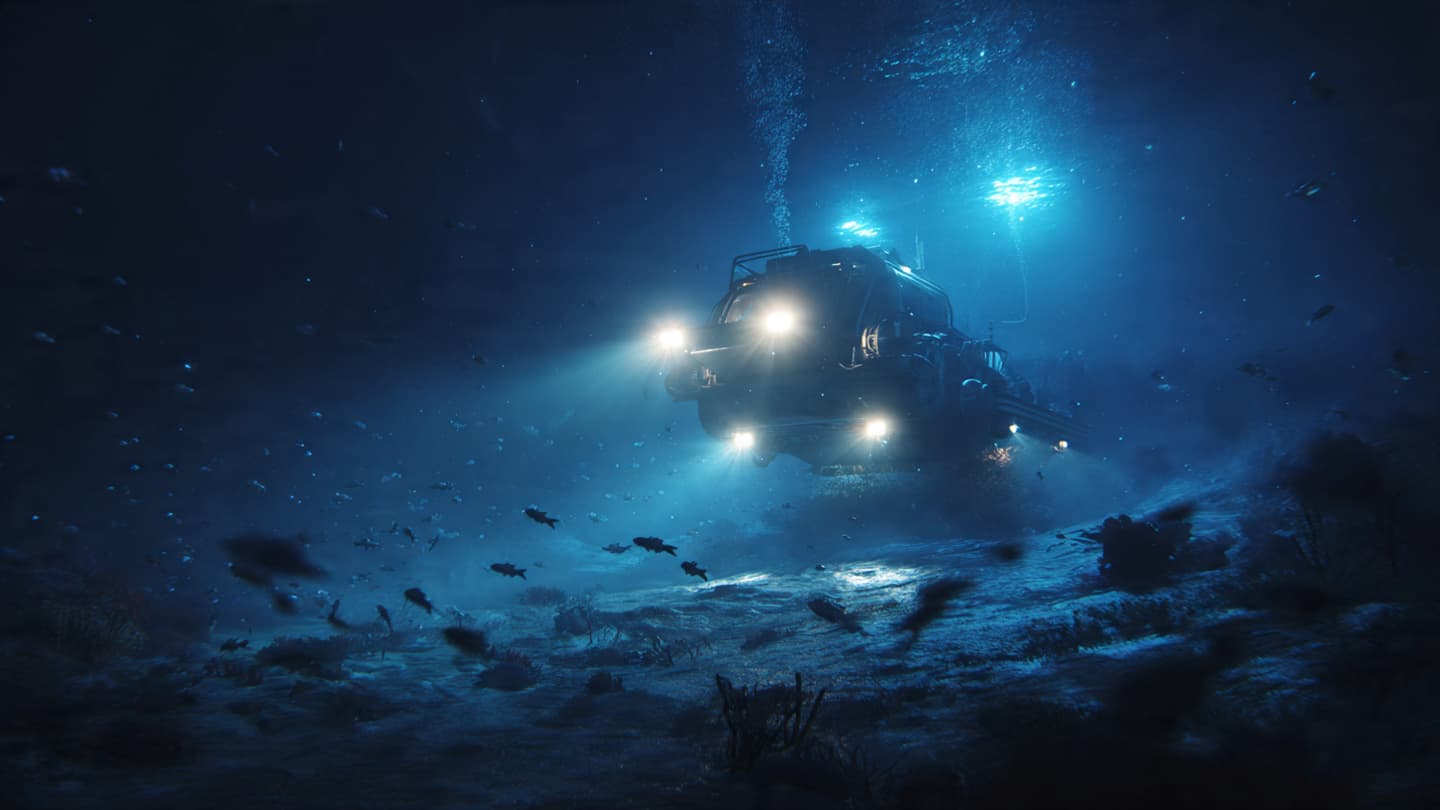
The discovery also highlights rapid advances in ocean exploration technology. Improvements in remotely operated vehicles, underwater cameras, and deep-sea imaging systems are enabling researchers to access previously unreachable habitats.
Scientists emphasize that vast portions of the world's oceans remain unexplored. Many researchers believe countless species and ecological interactions are still waiting to be documented.
The goblin shark footage serves as a reminder that even in an era of satellites and advanced technology, Earth's oceans continue to hold extraordinary mysteries beneath their surface.
AI Image Disclaimer: This article includes AI-generated imagery created solely to illustrate the subject matter discussed.
Sources: Live Science, NOAA, National Geographic, Marine Biology Journal
Published by Banx Network. This article is part of the Banx decentralized media programme, powered by the BXE token on the XRP Ledger.