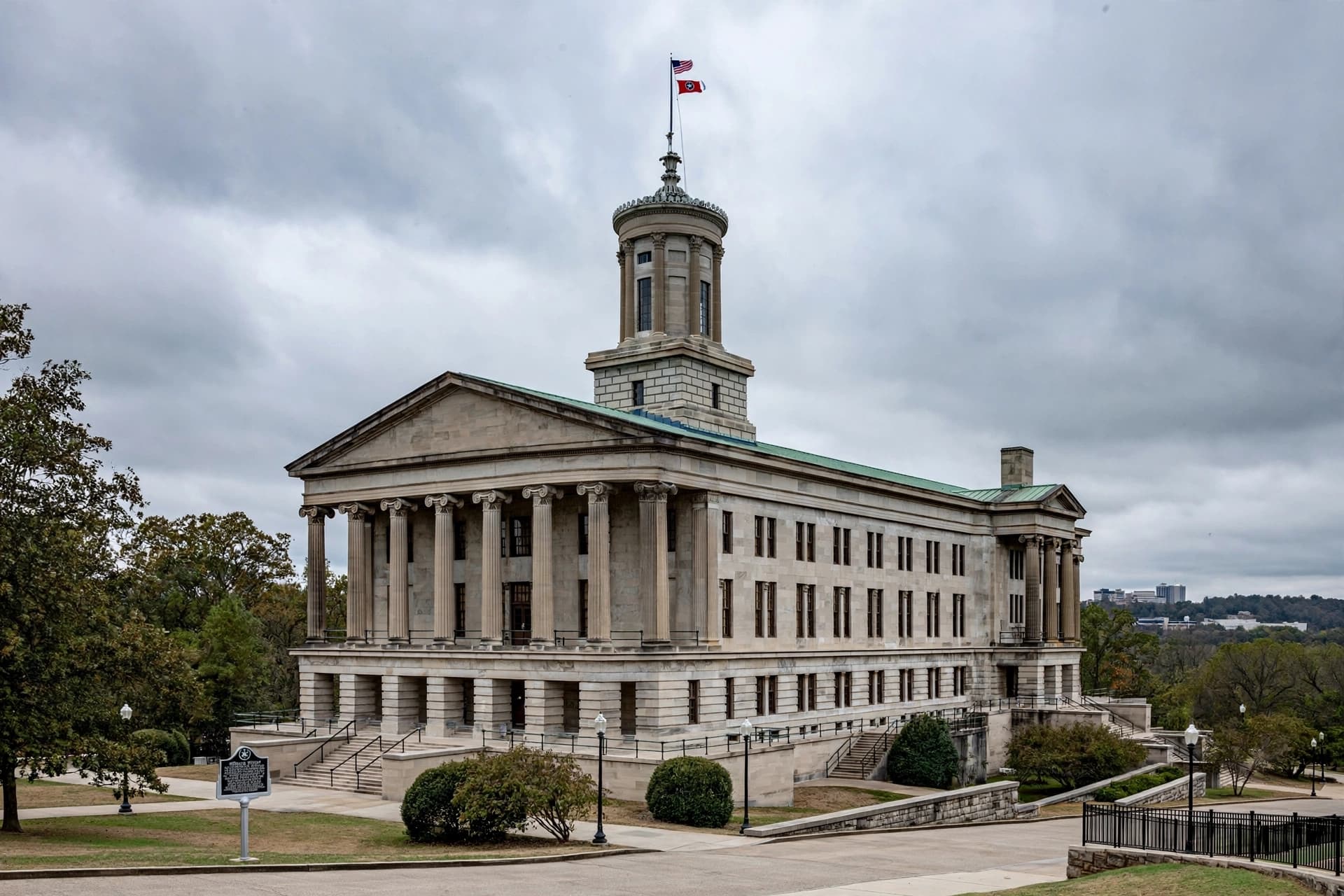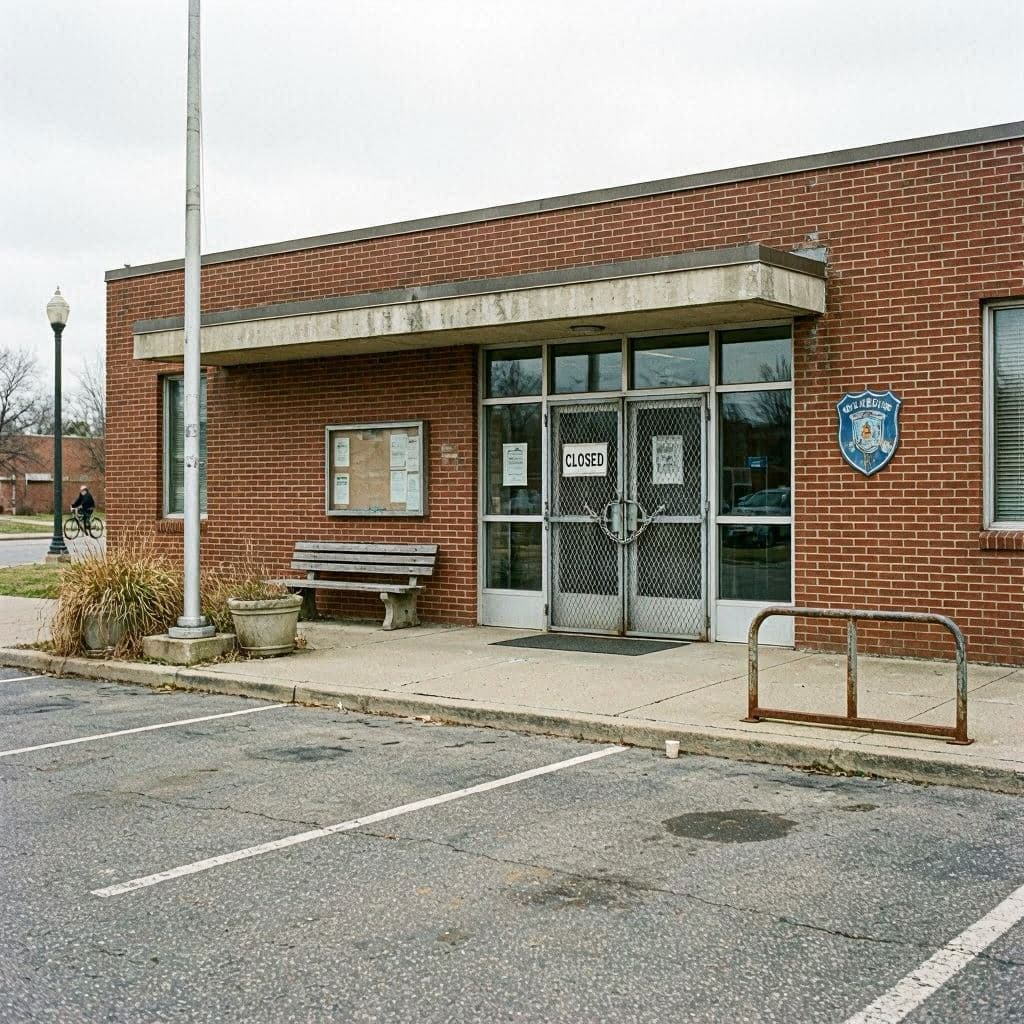
Opening: In the quiet rhythms of small-town America, where community ties are often woven tightly through generations, a sudden rupture can send shockwaves far beyond local borders. Recently, the entire police department of Barrackville, West Virginia, was relieved of duty by the town council and mayor. This unprecedented move, announced via social media, has left residents grappling with uncertainty and questions about governance, accountability, and public safety. It serves as a stark reminder of the fragile balance between civic leadership and law enforcement, and how quickly stability can be disrupted when that balance is lost.
Body: The decision was made effective immediately, leaving the town without its primary law enforcement agency. According to statements from the Barrackville Town Council, the action was taken due to ongoing issues that had eroded trust and functionality within the department. While specific details remain scarce, such drastic measures are rarely taken without significant underlying tensions. The abrupt nature of the dismissal highlights the severity of the situation, prompting immediate intervention from state authorities.
In the wake of the dismissal, the West Virginia State Police have stepped in to provide coverage for the town. This temporary arrangement ensures that emergency services and law enforcement needs are met while the town navigates this crisis. For residents, the presence of state troopers offers a sense of security, though it also underscores the breakdown of local institutional capacity. The transition raises logistical challenges, including jurisdiction coordination and resource allocation.
The incident has drawn national attention, sparking debates about police reform, municipal oversight, and the challenges faced by small departments. Critics argue that firing an entire force is a blunt instrument that may exacerbate existing problems rather than solve them. Supporters, however, contend that decisive action is necessary when integrity and performance are compromised. The truth likely lies in the nuanced details of local governance and personnel dynamics that are not immediately visible to outside observers.
For the officers involved, the loss of employment is both professional and personal. Many serve in their own communities, knowing the people they protect. Being relieved of duty collectively strips them of their roles and identities, creating a complex emotional aftermath. Whether this action is justified or excessive will depend on the findings of any subsequent investigations or legal proceedings. Until then, the human cost remains a poignant aspect of the story.
The town now faces the task of rebuilding its law enforcement infrastructure. This may involve recruiting new officers, restructuring the department, or exploring alternative policing models such as contracting with neighboring jurisdictions. Each option carries its own set of financial and operational implications. The process will require transparency and community engagement to restore trust and ensure that future practices align with public expectations.
This event also reflects broader trends in American policing, where scrutiny of conduct and accountability has intensified. Small towns are not immune to these pressures, and in some cases, they may lack the resources to manage complex internal disputes effectively. The Barrackville case serves as a case study for other municipalities facing similar challenges, highlighting the need for robust oversight mechanisms and conflict resolution strategies.
As the situation unfolds, the focus will shift to how the town moves forward. Will it rebuild a new department from scratch, or will it rely on regional cooperation? The answer will shape the community’s relationship with law enforcement for years to come. For now, the silence of the empty police station stands as a symbol of disruption, waiting to be filled with new purpose and direction.
Closing: The entire police department in Barrackville, West Virginia, has been relieved of duty by local officials, prompting state police to assume temporary coverage. The decision highlights challenges in municipal governance and law enforcement oversight. The town now faces the task of restructuring its public safety services while maintaining community trust.
AI Image Disclaimer: Please note that the visual illustrations accompanying this article are AI-generated representations intended to contextualize the discussion on local law enforcement and municipal governance.
Sources: The Hill WBOY NewsNation Fox 8 Cleveland
Published by Banx Network. This article is part of the Banx decentralized media programme, powered by the BXE token on the XRP Ledger.