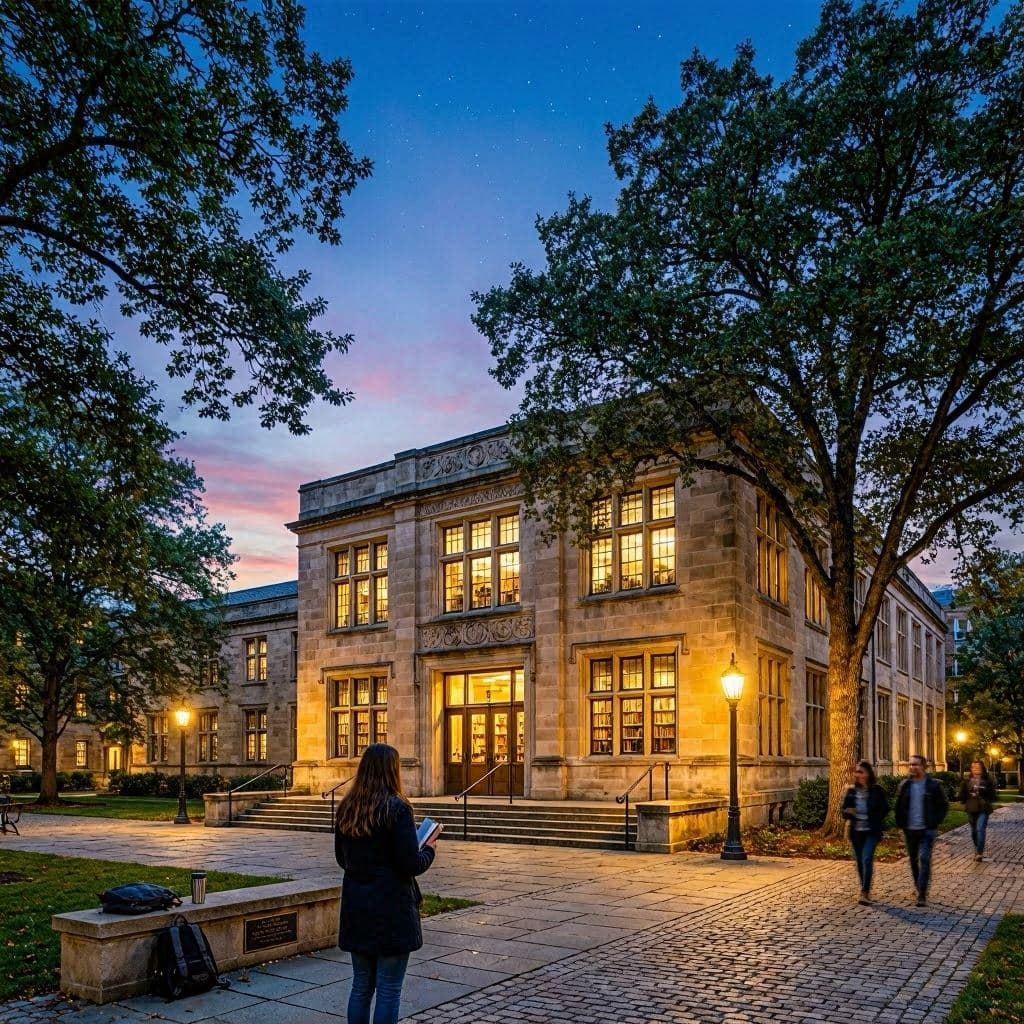
The halls of higher education have long been viewed as sanctuaries of open inquiry and intellectual freedom, places where diverse ideas collide and coalesce into understanding. Yet, in recent times, these institutions have found themselves at the center of a profound social and political storm. As tensions rise on campuses across the United States, a new legislative pressure has emerged, threatening the very financial foundations of universities that fail to adequately address reports of antisemitism. This development marks a significant shift in how accountability is enforced in the academic world.
The proposed measures suggest that federal funding and accreditation status could be contingent upon a university’s demonstrated commitment to combating antisemitism. For administrators, this presents a complex dilemma: how to protect students from hate and harassment while preserving the principles of free speech that are central to the academic mission. The line between protected expression and harmful conduct is often blurred, making policy implementation a delicate and contentious task.
Proponents of the legislation argue that current efforts have been insufficient, leaving Jewish students vulnerable to hostility and exclusion. They contend that without tangible consequences, such as the loss of crucial funding, institutions may lack the incentive to enact meaningful change. The goal, they say, is not to censor debate but to ensure a safe and inclusive environment for all students, regardless of their background or beliefs.
Critics, however, express concern that such mandates could infringe upon academic freedom and lead to overly broad definitions of antisemitism that stifle legitimate political discourse, particularly regarding international conflicts. They warn that the threat of losing accreditation could force universities to adopt punitive measures that may not address the root causes of prejudice. The debate thus becomes not just about safety, but about the nature of liberty in educational settings.
The impact of these potential changes extends beyond policy documents; it touches the daily lives of students and faculty. Campus communities are grappling with how to foster dialogue in an atmosphere of heightened sensitivity and mistrust. Many are calling for more robust educational programs and restorative justice practices, rather than solely relying on punitive legal frameworks. The hope is to build bridges of understanding rather than walls of regulation.
As Congress deliberates, universities are reviewing their existing codes of conduct and support systems. Some have already taken steps to enhance reporting mechanisms and provide additional resources for affected students. The proactive approach is seen by many as a way to demonstrate good faith and potentially mitigate the risk of federal intervention. It is a race against time to show that self-regulation can be effective.
The broader implication of this movement is a reevaluation of the social contract between higher education and the public. As recipients of significant public funds, universities are increasingly expected to align with societal values regarding equity and justice. This expectation brings both opportunity and obligation, challenging institutions to evolve while staying true to their core missions.
In the end, the outcome of this legislative push will likely shape the landscape of American higher education for years to come. Whether through mandated compliance or voluntary reform, the focus remains on creating campuses where every student feels safe and respected. The journey toward that goal requires patience, dialogue, and a shared commitment to the values of dignity and inclusion.
AI Image Disclaimer: The visual elements accompanying this piece are generated by artificial intelligence to provide conceptual context and do not depict real-world scenes or individuals.
Sources: The New York Times Inside Higher Ed Chronicle of Higher Education Reuters NPR
Published by Banx Network. This article is part of the Banx decentralized media programme, powered by the BXE token on the XRP Ledger.