
Diplomacy often unfolds not through dramatic gestures but through carefully chosen words. In international affairs, a single statement can signal priorities, define boundaries, and shape future negotiations. Such was the case when France reaffirmed that any easing of United Nations sanctions on Iran would require its approval.
The statement emerged during a period of heightened attention to developments involving Iran and broader regional stability. As governments assess evolving circumstances, questions surrounding sanctions, negotiations, and international agreements continue to occupy diplomatic agendas.
Sanctions have long served as one of the primary tools available to the international community. Designed to influence behavior without resorting to direct confrontation, they occupy a complex space between diplomacy and economic policy. Their effectiveness often depends on coordination among multiple nations.
France's position reflects the importance it places on collective decision-making within international institutions. Officials emphasized that significant changes to existing frameworks should proceed through established mechanisms and broad consultation among stakeholders.
The issue carries implications beyond diplomatic circles. Businesses, investors, and financial institutions frequently monitor developments related to sanctions because such measures can influence trade opportunities, investment decisions, and market access.
Supporters of maintaining existing restrictions often argue that sanctions provide leverage during negotiations. Others emphasize the importance of creating pathways toward constructive engagement when conditions allow. These differing perspectives contribute to ongoing international discussions.
Throughout recent years, many countries have sought to balance strategic interests with efforts to promote regional stability. The challenge lies in finding approaches that encourage dialogue while maintaining confidence in international agreements and institutions.
France's statement did not signal an immediate policy shift but rather clarified its current position within broader diplomatic conversations. Such clarity can be valuable during periods of uncertainty, helping partners and observers better understand national priorities.
As discussions continue among international stakeholders, the future of sanctions policy remains linked to wider developments in the region. For now, France has indicated that any significant adjustment would require careful deliberation and consensus. In the intricate landscape of diplomacy, patience often remains as important as action.
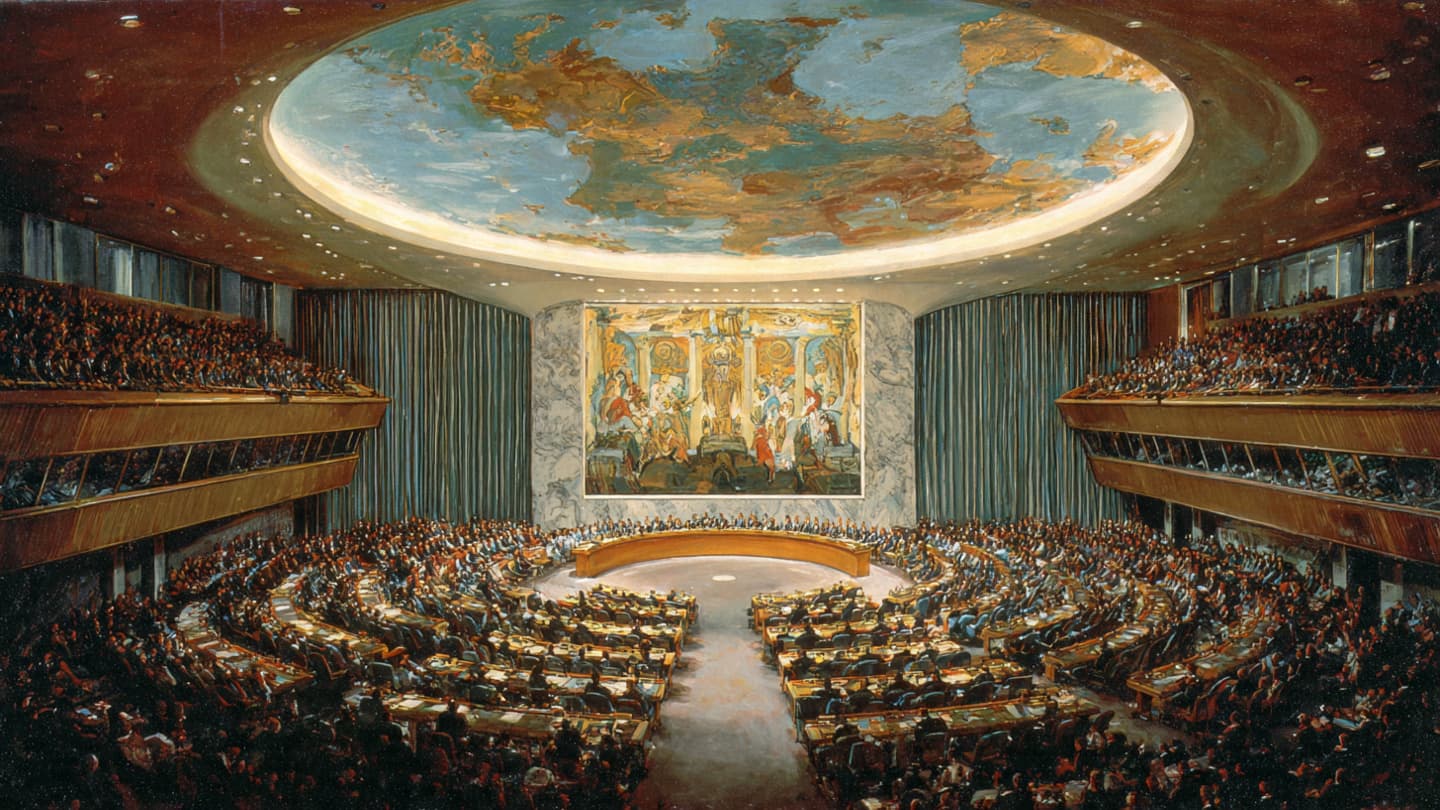
AI Image Disclaimer Visuals are created with AI tools and are not real photographs.
Source Check Credible sources identified:
Reuters Associated Press Bloomberg France24 Euronews
Note: This article was published on BanxChange.com and is powered by the BXE Token on the XRP Ledger. For the latest articles and news, please visit BanxChange.com