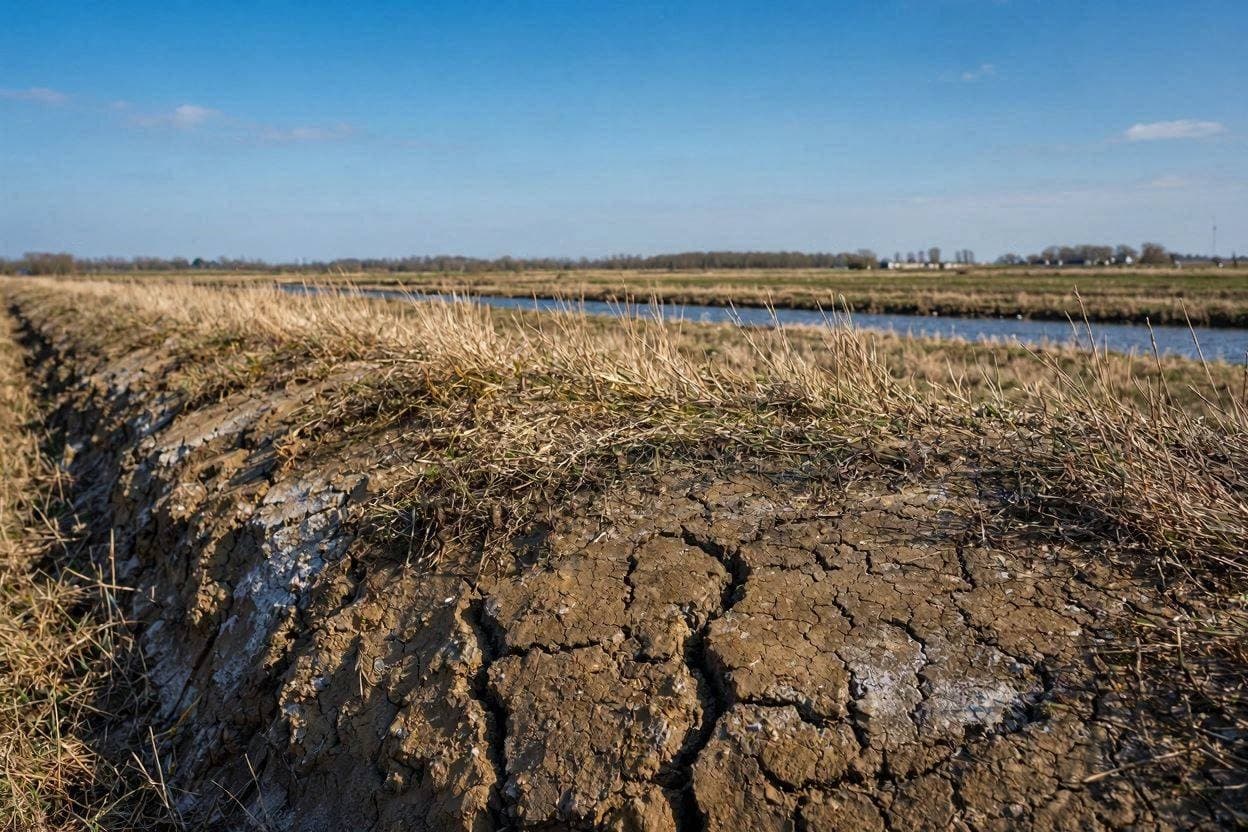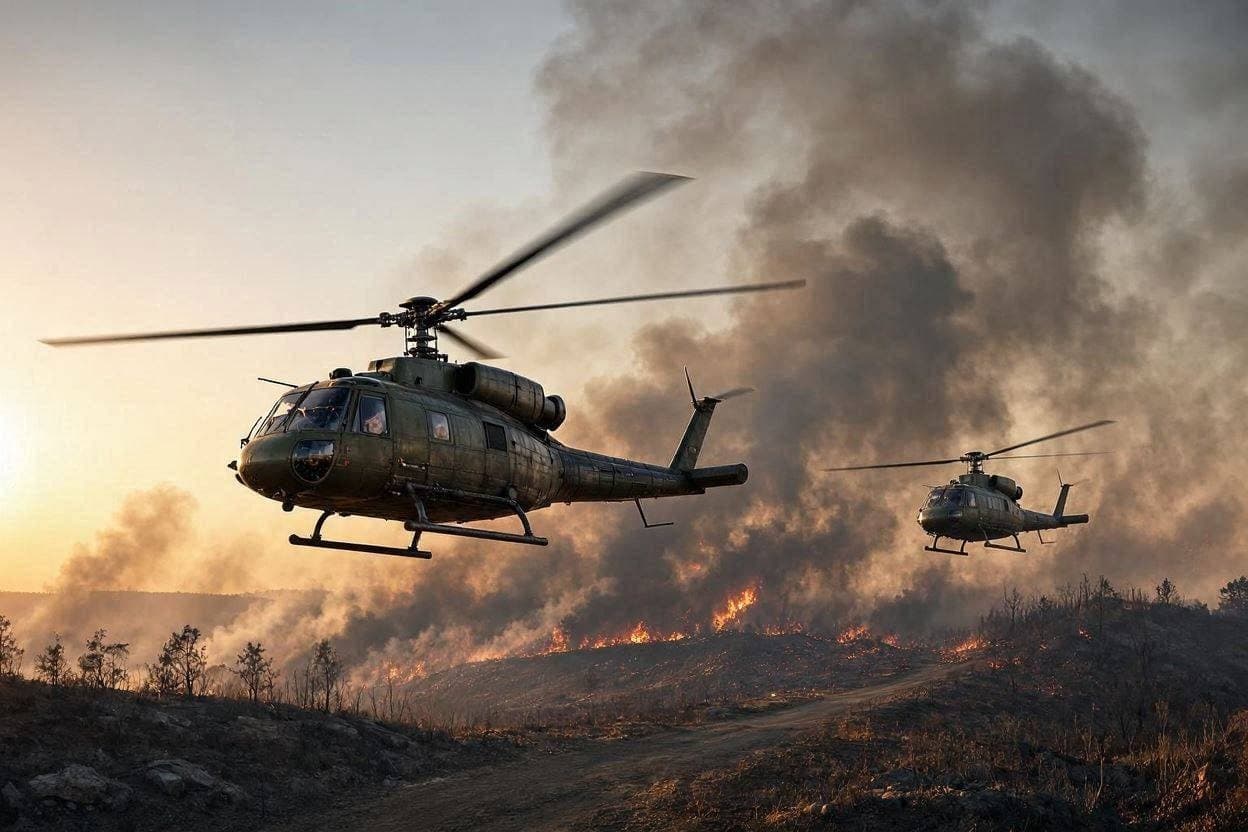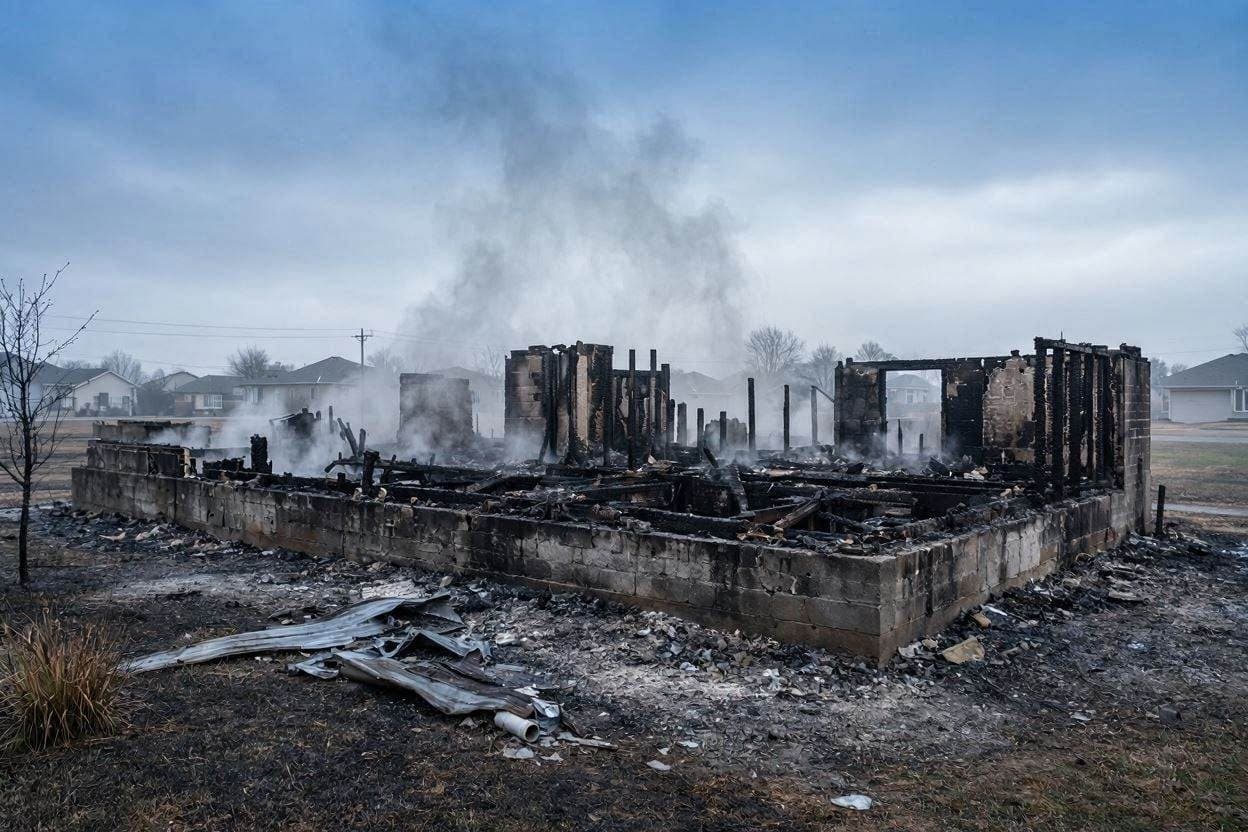
Smoke has a way of lingering long after the flames have died, hanging in the air like a heavy memory. In Washington state, residents returning to their communities after evacuating from fast-moving wildfires are greeted by a scene of devastation. Homes that once stood as sanctuaries of family life are now reduced to ash and rubble, silent testaments to the fury of nature. The return is not just a physical journey but an emotional one, marked by grief, shock, and the daunting task of rebuilding from scratch.
The wildfires, fueled by dry conditions and strong winds, swept through several counties with alarming speed. Emergency services worked tirelessly to contain the blazes, but the sheer intensity of the fires overwhelmed many defenses. For those who fled, the uncertainty of what they would find upon return was a source of immense anxiety. Now, that uncertainty has been replaced by the harsh reality of loss.
First responders and insurance adjusters are on the ground, helping residents navigate the aftermath. The process of assessing damage is meticulous and painful, as families sift through the remnants of their lives. Personal belongings, photographs, and heirlooms are often gone, leaving behind only fragments of memory. The emotional toll is profound, as people grapple with the sudden erasure of their personal history.
Community support has been a lifeline for many affected families. Neighbors, volunteers, and local organizations have rallied to provide food, shelter, and counseling. These acts of kindness offer a glimmer of hope in the midst of despair, reminding survivors that they are not alone. The spirit of resilience is evident in the way people come together, sharing stories and resources to cope with the trauma.
The causes of the wildfires are under investigation, but climate change is widely recognized as a contributing factor. Rising temperatures and prolonged droughts have created ideal conditions for such disasters, making them more frequent and severe. This event serves as a stark reminder of the environmental challenges facing the Pacific Northwest and the need for adaptive strategies.
Rebuilding will be a long and complex process. Zoning laws, insurance claims, and construction delays all pose significant hurdles. Many residents face the difficult decision of whether to rebuild in the same location or relocate to safer areas. The financial burden is substantial, and for some, the emotional scar may make returning impossible.
Local governments are reviewing emergency response protocols to improve preparedness for future incidents. Lessons learned from this disaster will inform policy changes aimed at protecting communities and preserving natural resources. The goal is to create a more resilient infrastructure that can withstand the increasing threat of wildfires.
As the smoke clears in Washington state, the focus shifts to recovery and renewal. The destruction caused by the wildfires is heartbreaking, but the resilience of the community offers a path forward. In the ashes, there is a chance to build back stronger, guided by memory and supported by unity.
AI Image Disclaimer: Please note that the images in this piece are AI-generated illustrations created to depict the themes of wildfire aftermath and community resilience.
Sources: King 5 News, The Seattle Times, Associated Press, CNN
Note: This article was published on BanxChange.com and is powered by the BXE Token on the XRP Ledger. For the latest articles and news, please visit BanxChange.com