
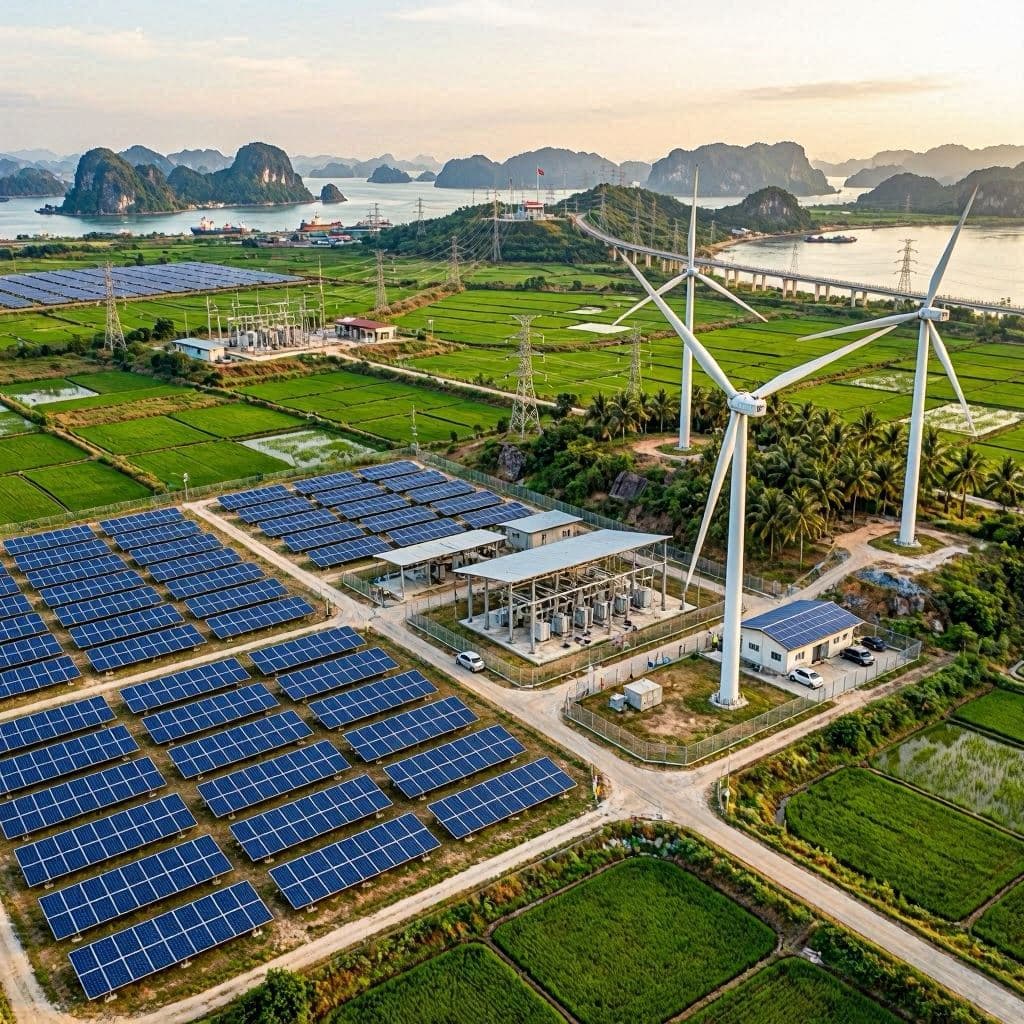
In an era when the global energy landscape shifts as steadily as ocean tides, nations often find themselves navigating uncertain waters. Across Southeast Asia, however, policymakers appear determined to sail together rather than alone. The latest agreement among ASEAN members to deepen cooperation on renewable energy and liquefied natural gas (LNG) reflects a regional effort to secure both stability and sustainability in an increasingly complex world.
ASEAN energy ministers recently reaffirmed their commitment to expanding collaboration in renewable energy development, natural gas infrastructure, and cross-border energy trade. The agreement comes at a time when Southeast Asia continues to experience rapid economic growth, driving a significant rise in energy demand across the region.
Officials noted that energy security has become an increasingly important concern as geopolitical tensions, supply disruptions, and volatile commodity prices continue to affect global markets. By strengthening regional cooperation, ASEAN hopes to reduce vulnerabilities while ensuring reliable energy access for its growing population.
Renewable energy remains a central pillar of the region's long-term strategy. Several member states have accelerated investments in solar, wind, hydroelectric, and other low-carbon technologies as part of broader climate commitments and economic modernization efforts.
At the same time, LNG is expected to play an important transitional role. Many ASEAN economies still rely heavily on fossil fuels, and policymakers view natural gas as a practical bridge while renewable capacity continues to expand.
The long-discussed ASEAN Power Grid initiative also received renewed attention during the meetings. The project aims to interconnect electricity networks across member states, allowing countries to share power resources more efficiently and strengthen regional resilience.
Analysts suggest that achieving these ambitions will require substantial investment, regulatory reforms, and closer public-private partnerships. Infrastructure development and financing remain among the most significant challenges facing the region.
While the path toward a cleaner energy future may remain complex, ASEAN's latest agreement signals a shared recognition that regional cooperation will be essential in shaping a secure and sustainable energy system for decades to come.
AI Image Disclaimer: The accompanying images are AI-generated illustrations created for visual representation purposes only.
Sources (Verified): Reuters, ASEAN Centre for Energy, MarketScreener
Note: This article was published on BanxChange.com and is powered by the BXE Token on the XRP Ledger. For the latest articles and news, please visit BanxChange.com