Sport often celebrates human endurance, yet nature continues to set its own boundaries. As preparations continue for the 2026 FIFA World Cup across North America, scientists in the United Kingdom are studying how extreme heat could influence the experience of athletes, spectators, and event organizers.
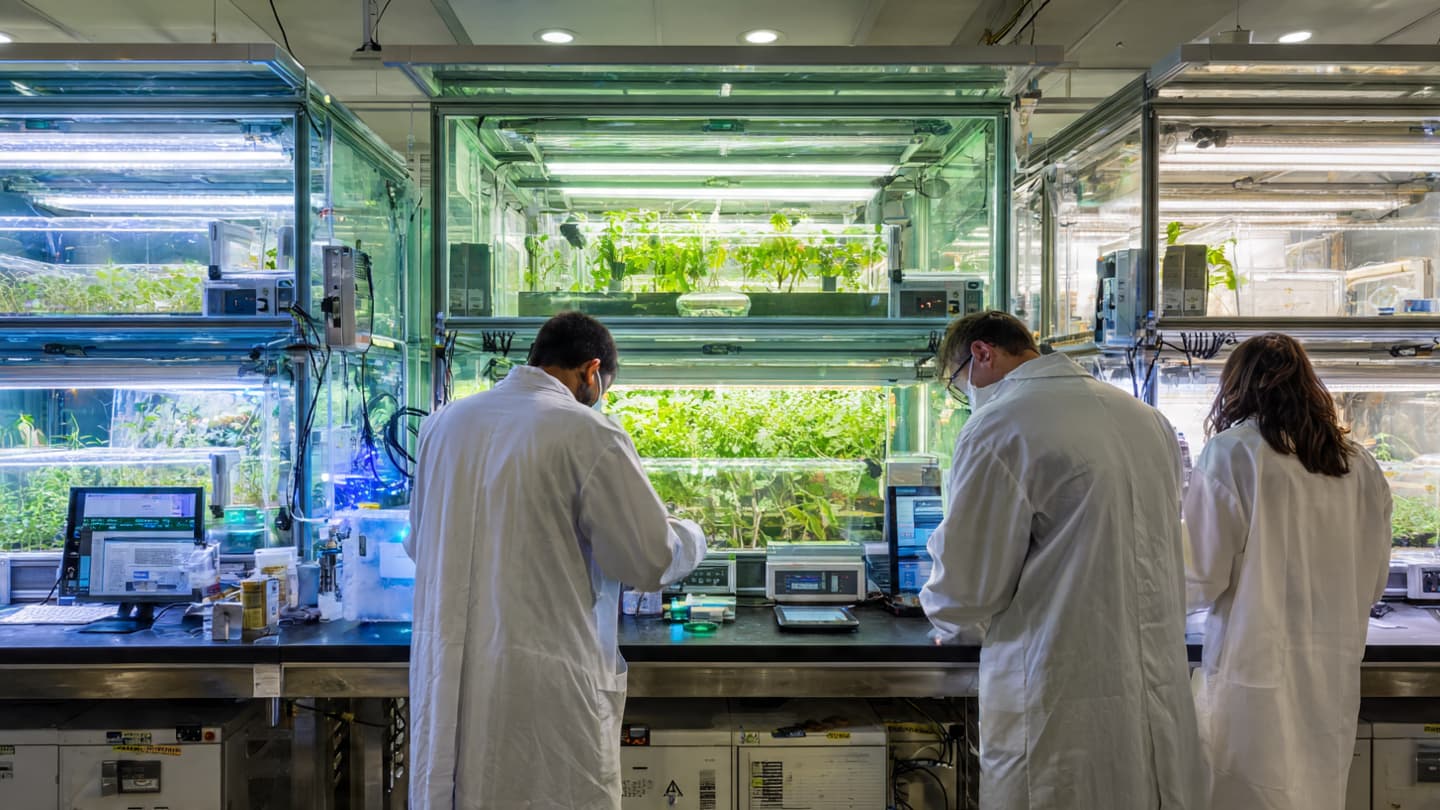
Researchers have developed simulations designed to replicate high-temperature and high-humidity conditions that may occur during portions of the tournament. The work aims to better understand health risks associated with prolonged exposure to heat during major sporting events.
The 2026 FIFA World Cup will be hosted across the United States, Canada, and Mexico, with matches scheduled in cities that experience varying climate conditions. Some host locations may encounter elevated summer temperatures during the competition period.
Scientists involved in the project are examining how heat stress affects the human body, including hydration requirements, cardiovascular responses, and physical performance under demanding environmental conditions.
Public health experts have increasingly emphasized the importance of heat preparedness as climate change contributes to more frequent and intense heatwaves worldwide. Large outdoor gatherings can present additional challenges, particularly for vulnerable populations.
Tournament organizers and local authorities are expected to implement a range of mitigation measures, including access to hydration stations, shaded areas, medical services, and public advisories regarding heat safety.
Researchers believe that simulation studies can help planners improve emergency preparedness and optimize scheduling decisions where necessary. Similar approaches have previously been used during other international sporting competitions.
Climate specialists note that adapting major events to changing environmental conditions may become increasingly important in coming decades as global temperatures continue to rise.
The study highlights a broader reality: successful sporting events increasingly depend not only on athletic preparation but also on careful environmental planning and public health readiness.
AI Image Disclaimer: Some accompanying images are AI-generated illustrations created to depict scientific research and sporting event preparations.
Sources: Reuters, BBC News, The Guardian, World Meteorological Organization
Published by Banx Network. This article is part of the Banx decentralized media programme, powered by the BXE token on the XRP Ledger.