
The evening light over Bandar Abbas often arrives softly, slipping across cranes, ship decks, and the restless edges of the Strait of Hormuz like a tired tide returning home. Along the waterfront, where commerce and uncertainty have long shared the same narrow horizon, the sea continued its patient rhythm even as another storm gathered in language and diplomacy far beyond the harbor.
In recent days, Iran sharply condemned reported United States strikes connected to Bandar Abbas, while also denouncing remarks attributed to former U.S. President Donald Trump, who reportedly threatened to “blow up” Oman during escalating exchanges surrounding regional tensions. The words traveled quickly through the Gulf, crossing waters already crowded with military patrols, oil tankers, and old memories of confrontation. In this part of the world, language rarely arrives alone; it carries the weight of geography, history, and the quiet anxiety of nations living beside narrow waterways that hold global consequence.
Bandar Abbas, positioned near the mouth of the Strait of Hormuz, has long stood as one of Iran’s most strategic coastal cities. Cargo vessels move through its ports beneath intense heat and layers of security, while the surrounding waters remain central to the movement of global energy supplies. The city’s significance is not only military or economic. It is symbolic—a shoreline where regional ambitions, international rivalries, and ordinary lives continuously overlap.
Iranian officials described the reported strikes as violations that risk widening instability across the Gulf. Their condemnation extended beyond military action itself toward what they framed as a dangerous atmosphere of intimidation surrounding the region. The reference to Oman carried particular resonance. For decades, Oman has often served as one of the Gulf’s quieter diplomatic bridges, maintaining channels of communication between rivals even during periods of deep hostility. Muscat’s role has frequently unfolded away from headlines, shaped more by discreet meetings and cautious mediation than dramatic declarations.
That is perhaps why the rhetoric surrounding Oman unsettled observers across the region. In Gulf politics, where fragile balance is often preserved through restraint and careful language, threats directed toward a neighboring state ripple outward quickly. Diplomacy in the region resembles the movement of ships through Hormuz itself: narrow, delicate, and dependent on constant navigation.
The broader tensions arrive at a moment when the Middle East already feels suspended between exhaustion and uncertainty. Conflicts stretching from Gaza to the Red Sea have intensified fears of wider confrontation, while global powers continue repositioning military assets across strategic corridors. Against this backdrop, Bandar Abbas becomes more than a port city. It becomes a symbol of proximity—how close commerce stands to conflict, and how quickly regional calm can shift beneath geopolitical pressure.
Even so, daily life along the Gulf persists with remarkable steadiness. Markets open beneath the morning heat. Fishermen prepare nets before sunrise. Cargo crews move containers beneath steel cranes that groan against the coastal wind. Across Oman’s shores, too, the routines of ordinary life continue quietly beside the larger currents of diplomacy. This coexistence between tension and normalcy has long defined the Gulf’s emotional landscape. The region lives with awareness of instability while continuing to build, trade, negotiate, and endure.
Analysts note that rhetoric surrounding military escalation often shapes regional markets and diplomatic calculations as much as direct action itself. Every statement from Washington or Tehran is studied carefully by neighboring capitals concerned about shipping routes, energy security, and the possibility of miscalculation. The Strait of Hormuz remains one of the world’s most sensitive maritime corridors, carrying a significant share of global oil exports through waters narrow enough to make even distant political remarks feel immediate.
As reactions continued to emerge, officials in Tehran reiterated calls against foreign military pressure while framing Oman as a respected regional partner. International observers meanwhile watched for signs of escalation or renewed diplomatic engagement, aware that the Gulf’s stability frequently depends on communication surviving moments of anger.
And so the sea near Bandar Abbas continues its slow movement beneath the night sky, carrying tankers, patrol boats, and reflections of distant city lights through one of the world’s most watched waterways. Above the harbor, words spoken thousands of miles away still linger in the warm coastal air. Yet across the Gulf, nations continue searching for the narrow passage between warning and restraint, between force and dialogue, hoping the waters remain open long enough for diplomacy to return once more.
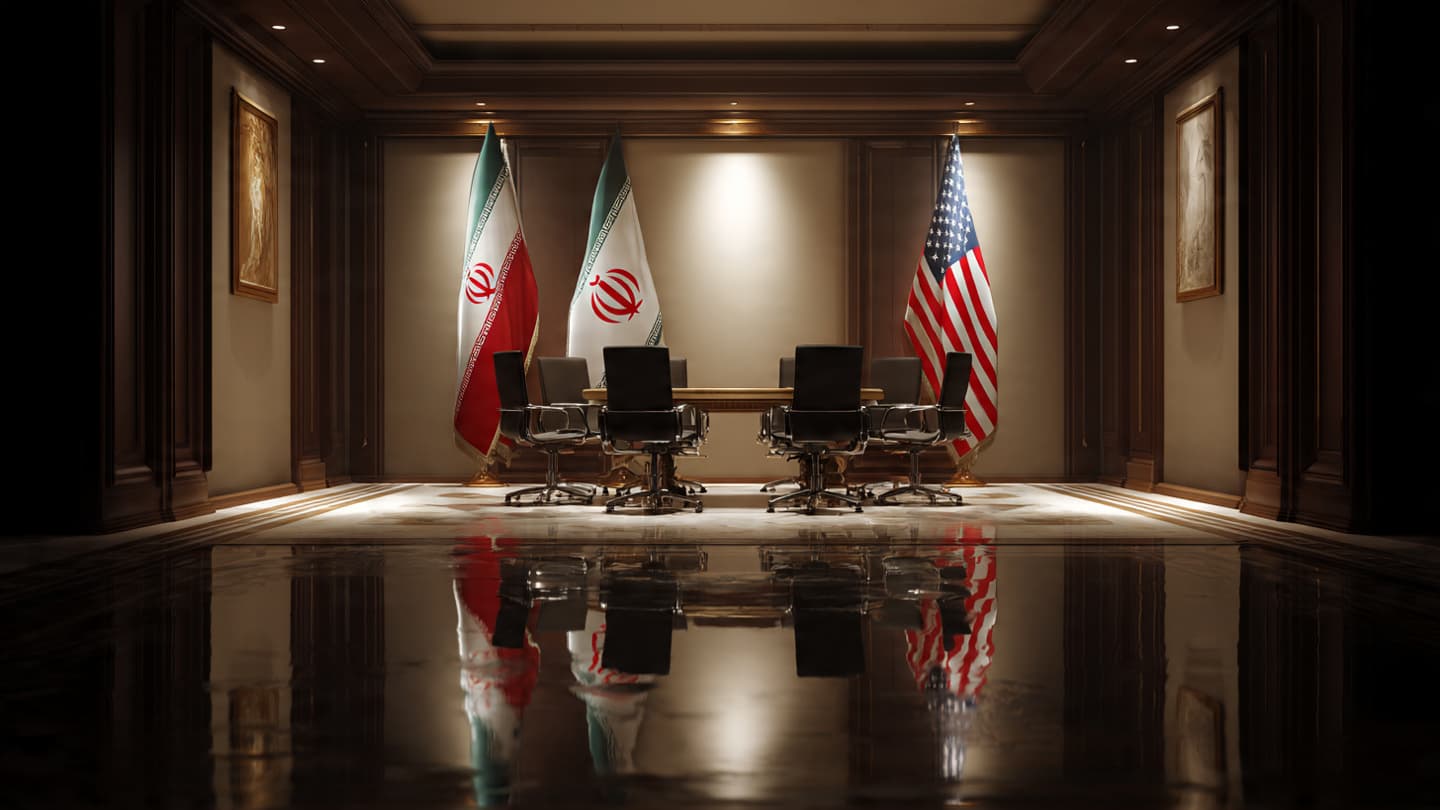
AI Image Disclaimer: Illustrations were created using AI tools and are intended as visual representations of the events described.
Sources:
Reuters Al Jazeera Associated Press The Guardian BBC News
Note: This article was published on BanxChange.com and is powered by the BXE Token on the XRP Ledger. For the latest articles and news, please visit BanxChange.com