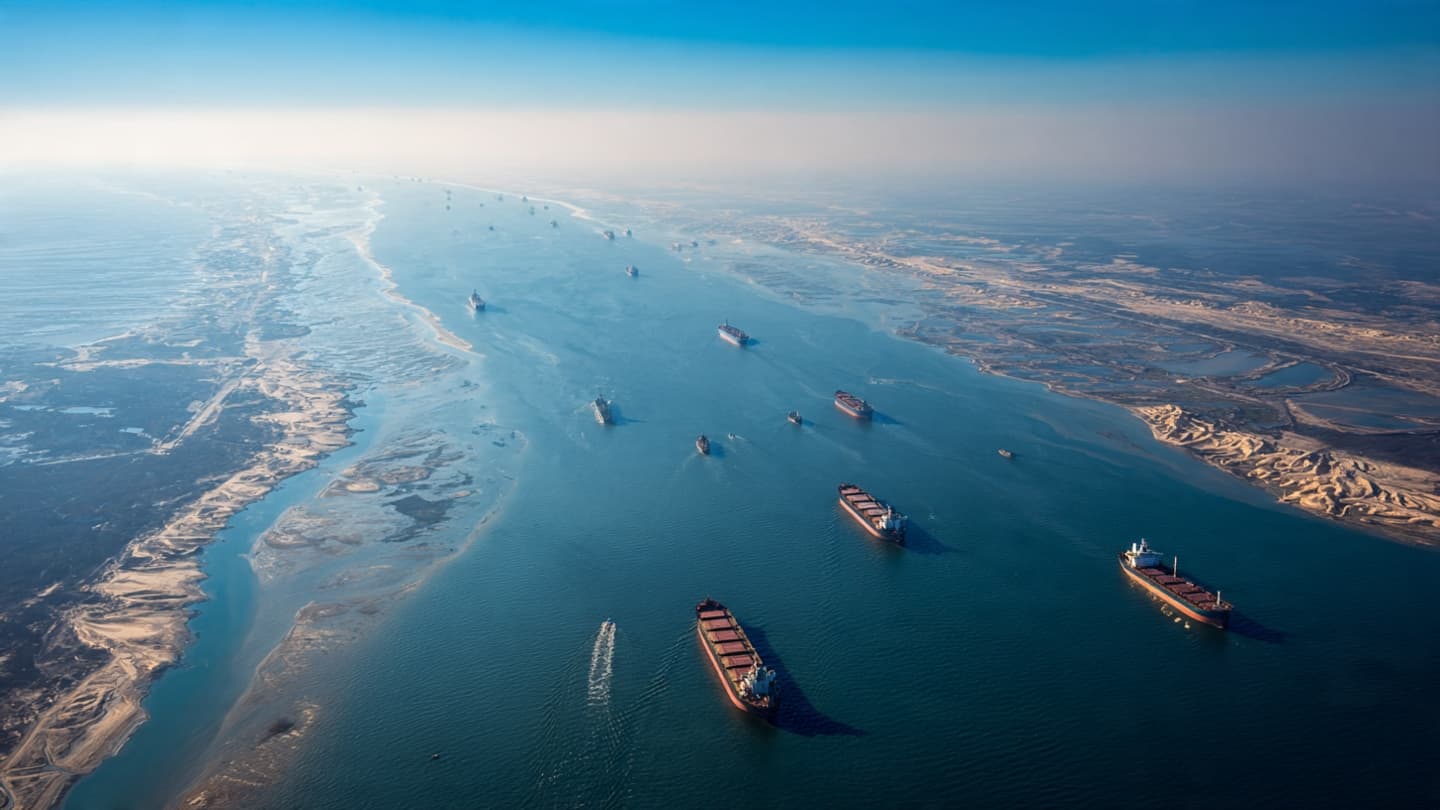
There are places on the map that seem larger than their geography. The Strait of Hormuz is one of them—a narrow ribbon of water where continents appear to lean toward one another and where the movement of ships quietly influences distant cities, factories, and households across the globe. Each day, vessels glide through its waters carrying energy supplies that connect economies separated by oceans. Yet beyond the horizon of commercial traffic, another kind of movement unfolds: the slower, more delicate passage of diplomacy.
In recent days, attention has returned to that intersection of commerce and negotiation as disagreements emerged between Washington and Tehran over the future of nuclear inspections and the security of regional waterways. The discussions come at a moment when both sides are attempting to define the contours of a tentative diplomatic understanding, even as differences remain visible beneath the surface.
For decades, nuclear inspections have occupied a central place in efforts to manage tensions surrounding Iran’s atomic program. International monitoring mechanisms were designed not only to gather technical information but also to build confidence between parties that often view one another through a lens of caution. Inspectors, reports, and verification procedures may appear administrative in nature, yet they serve as some of the most important bridges in a relationship shaped by decades of mistrust.
That bridge now faces renewed strain. Statements from U.S. officials, including President Donald Trump, have emphasized the importance of robust verification measures, arguing that any agreement must include meaningful access for international inspectors. Iranian officials, meanwhile, have expressed concerns about the scope and implementation of inspection demands, reflecting long-standing sensitivities regarding sovereignty, security, and external oversight.
The disagreement extends beyond technical questions. It touches the broader challenge of translating political promises into practical arrangements. Agreements may be announced in conference rooms and diplomatic communiqués, but their durability often depends on details measured in inspection schedules, reporting procedures, and mutual confidence.
At the same time, another conversation has emerged around the Strait of Hormuz itself. The waterway remains one of the world's most strategically important maritime corridors, handling a significant share of globally traded oil and energy exports. Any discussion involving its future inevitably attracts international attention. Reports of regional consultations and proposals concerning shipping access have underscored how closely economic stability and geopolitical relationships remain intertwined in the Gulf.
For countries that depend on uninterrupted energy flows, the strait represents more than a route on a nautical chart. It is a symbol of interconnected vulnerability. A disruption in one corner of the region can ripple outward through markets, transportation networks, and national budgets thousands of miles away. In that sense, every diplomatic conversation concerning Hormuz carries implications far beyond its shores.
Yet there is also a quieter dimension to the story. Along the coastlines of the Gulf, daily life continues amid the movement of tankers and naval patrols. Fishing boats still depart before sunrise. Ports continue their routines of loading and unloading cargo. The rhythms of ordinary life persist alongside discussions of sanctions, inspections, and security guarantees.
That contrast—the ordinary existing beside the strategic—has long defined the region. Major geopolitical developments often unfold against a backdrop of familiar routines, reminding observers that international disputes ultimately affect communities as well as governments.
As negotiations continue, neither Washington nor Tehran appears ready to abandon its position on key issues. The disagreement over inspections remains unresolved, while questions surrounding maritime security and the future role of the Strait of Hormuz continue to shape regional conversations. Diplomats on all sides are expected to pursue further discussions in the weeks ahead.
For now, the waters remain open, and the negotiations remain unfinished. Ships continue their passage through one of the world's most consequential waterways, while policymakers search for a route through equally narrow diplomatic channels. Between those two journeys lies a reminder familiar to history: that stability often depends not on grand declarations, but on the patient work of navigating uncertainty.
AI Image Disclaimer These illustrations were created using AI tools and serve as visual representations of the subject matter rather than actual photographs.
Sources Reuters International Atomic Energy Agency (IAEA) United Nations U.S. Department of State Associated Press
Published by Banx Network. This article is part of the Banx decentralized media programme, powered by the BXE token on the XRP Ledger.