
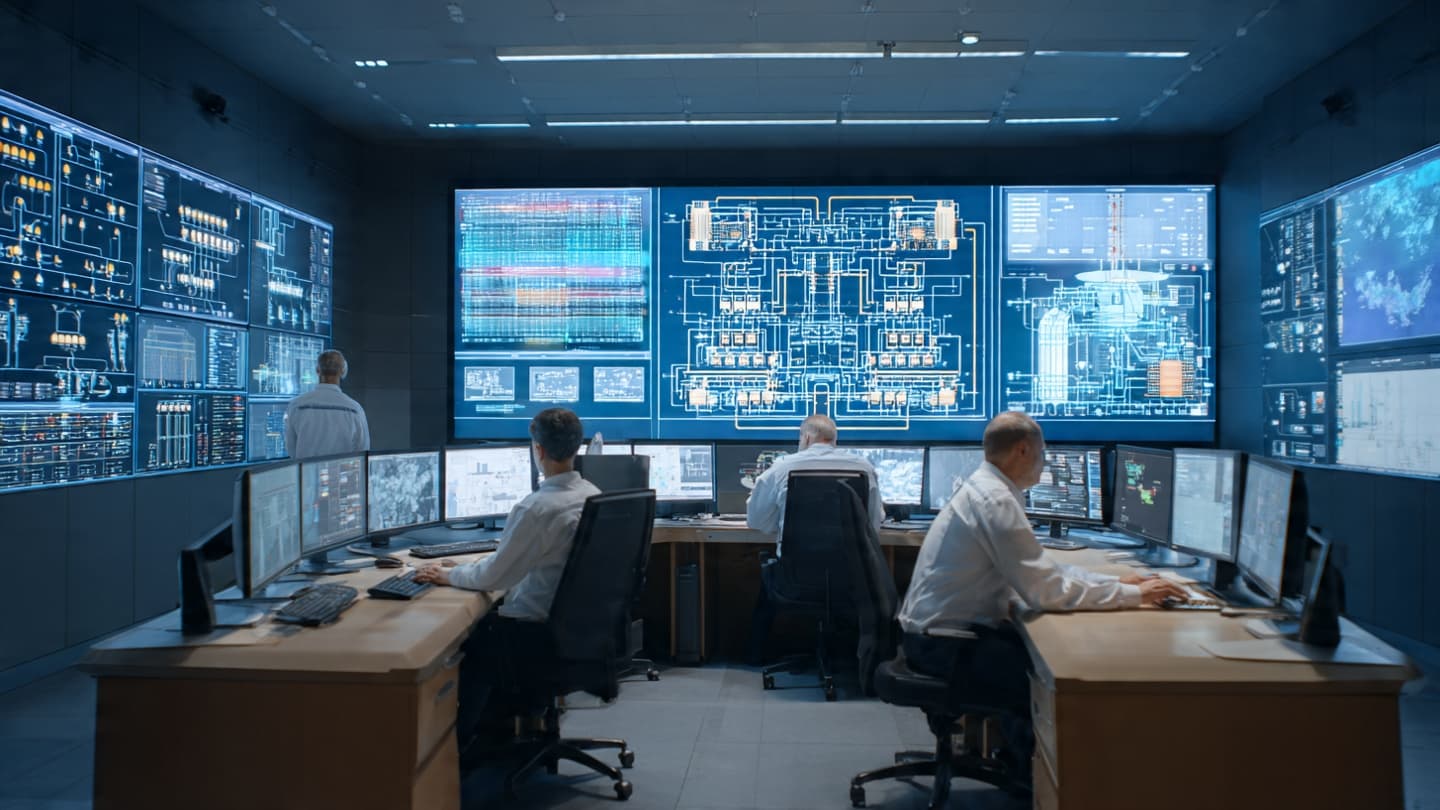
Artificial intelligence often appears weightless in the eyes of the public. It arrives through screens, applications, and digital services that seem almost effortless. Yet behind these technologies stands an enormous physical infrastructure powered by electricity. As AI adoption accelerates throughout 2026, the energy requirements of data centers are becoming one of the most important conversations within the technology industry.
The rapid expansion of AI applications has increased demand for computing resources on an unprecedented scale. Training advanced AI models and operating large-scale digital services require thousands of powerful processors working continuously. These systems consume significant amounts of electricity, creating new challenges for infrastructure providers.
Across the United States, utility companies and technology firms are collaborating to address growing energy needs. New data center projects are being planned with greater attention to power availability, grid reliability, and long-term sustainability. The goal is to ensure that computational growth can continue without compromising energy security.
Many developers are investing in more efficient hardware. Advanced processors capable of performing larger numbers of calculations while using less power are helping reduce energy intensity. Improvements in cooling systems are also contributing to better operational efficiency.
Renewable energy has become a major part of the discussion. Technology companies increasingly seek solar, wind, and other clean energy sources to support data center operations. These investments reflect both environmental commitments and economic considerations related to long-term energy costs.
Despite technological improvements, analysts expect overall electricity demand from AI infrastructure to continue rising. The increasing scale of AI models and broader adoption across industries may offset gains achieved through efficiency improvements.
Governments, utility providers, and industry leaders are therefore exploring strategies to expand energy generation capacity. Planning efforts include grid modernization projects and investments in infrastructure capable of supporting future digital growth.
The conversation extends beyond technology alone. Reliable energy supply affects economic competitiveness, scientific research, and innovation capacity. As AI becomes more deeply integrated into modern society, the infrastructure supporting it will play an increasingly important role.
For now, the growing energy needs of AI data centers serve as a reminder that digital progress depends on physical foundations. While artificial intelligence may appear intangible, the power required to sustain its development remains very real, linking technological ambition to the broader challenge of managing future energy demand.
AI Image Disclaimer: Graphics are AI-generated and intended for representation, not reality.
Sources: Reuters, Stanford SIEPR, ArXiv, Data Center Frontier, MIT Technology Review.
Note: This article was published on BanxChange.com and is powered by the BXE Token on the XRP Ledger. For the latest articles and news, please visit BanxChange.com