
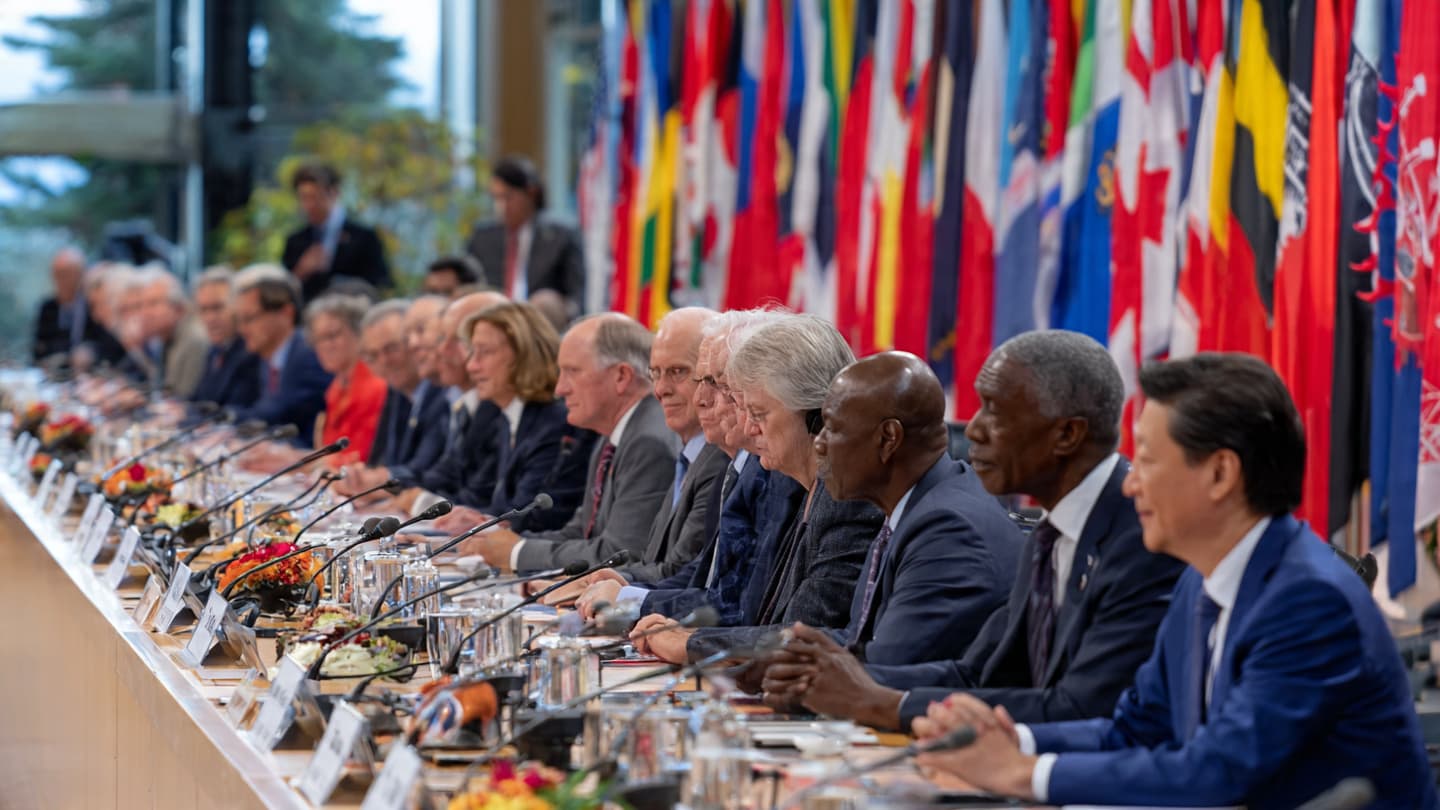
Technological revolutions rarely wait for societies to fully understand them. They move steadily forward, opening new possibilities while presenting unfamiliar questions. Artificial intelligence has become one such force, and as its influence expands, world leaders are increasingly seeking shared approaches to governance. At the recent G7 summit, that effort moved another step forward.
Leaders from the Group of Seven industrialized nations announced renewed commitments to strengthen cooperation on artificial intelligence regulation. The discussions focused on ensuring that rapidly evolving AI systems develop within frameworks that promote safety, transparency, and public trust.
Artificial intelligence has become a strategic priority for governments worldwide. From healthcare and education to manufacturing and defense, AI technologies are already transforming economic and social activities. At the same time, policymakers acknowledge that these innovations raise important ethical and security concerns.
Among the topics discussed were standards for trustworthy AI, risk management mechanisms, and greater international coordination regarding advanced AI systems. Officials emphasized the need to encourage innovation without compromising fundamental rights and democratic values.
The G7 has previously introduced initiatives aimed at promoting responsible AI development, including the Hiroshima AI Process. The latest commitments are expected to build upon those earlier efforts while adapting to increasingly sophisticated technologies.
Technology companies have generally welcomed clearer regulatory frameworks, arguing that predictable rules can support long-term investment and innovation. However, industry representatives continue to advocate for regulations that remain flexible enough to accommodate rapid technological change.
Researchers and civil society organizations have also called for stronger oversight, particularly concerning issues such as misinformation, privacy, algorithmic bias, and the potential misuse of powerful AI systems.
Experts note that global cooperation remains essential because AI technologies operate across borders. Divergent national regulations could create inconsistencies that complicate both governance and commercial deployment.
While significant policy challenges remain, the G7 discussions signal growing international recognition that artificial intelligence requires not only technological leadership but also sustained diplomatic cooperation and shared responsibility.
AI Image Disclaimer: Some illustrations associated with this report were generated using artificial intelligence to visually support editorial coverage.
Sources Verified: Reuters, G7 Official Statements, AFP, BBC News, Associated Press
Note: This article was published on BanxChange.com and is powered by the BXE Token on the XRP Ledger. For the latest articles and news, please visit BanxChange.com