History often survives in unexpected places. Sometimes it rests within ancient manuscripts, buried cities, or forgotten artifacts. On other occasions, it waits quietly on the walls of a cave, preserved through thousands of years of change. A recent discovery in Wales has drawn significant attention after researchers identified what may be the oldest known cave art ever documented in the United Kingdom.
The finding emerged after scientists reexamined red markings located within a cave in Wales. For many years, these marks were not fully understood and were often considered natural features of the rock surface. However, new analysis suggests they were intentionally created by humans approximately 17,000 years ago during the Paleolithic period.
Researchers employed advanced imaging techniques and detailed archaeological assessments to study the markings. Their findings indicate that the shapes and patterns were likely produced by human hands rather than geological processes. This conclusion has transformed what once appeared to be simple discoloration into an important archaeological discovery.
The Paleolithic era represents one of the earliest chapters of human cultural expression. Across Europe, cave paintings and engravings have provided valuable insight into the lives, beliefs, and environments of prehistoric communities. Such discoveries offer rare glimpses into how ancient people viewed and represented the world around them.
The Welsh cave art appears to join this broader tradition of prehistoric creativity. While researchers continue examining the site, the discovery has already expanded understanding of human activity in Britain during the Ice Age. It suggests that artistic expression may have been more widespread than previously recognized.
Archaeologists emphasize that cave art is more than decoration. These images often serve as evidence of symbolic thinking, communication, and cultural identity. They reveal that early humans possessed complex intellectual and creative abilities long before the emergence of written language.
The discovery also highlights the importance of revisiting historical sites with modern technology. Advances in imaging and analytical techniques have enabled researchers to uncover details that earlier generations could not easily detect. As a result, familiar locations can still yield surprising insights.
Public interest in prehistoric archaeology remains strong because such findings connect modern societies to distant ancestors. Every new discovery contributes another piece to the story of human development, helping researchers better understand how cultures evolved over time.
As further investigations continue, the Welsh cave art stands as a remarkable reminder that traces of the distant past remain embedded within the landscape. Thousands of years after its creation, the artwork continues to speak quietly across the centuries, offering new perspectives on humanity's earliest creative impulses.
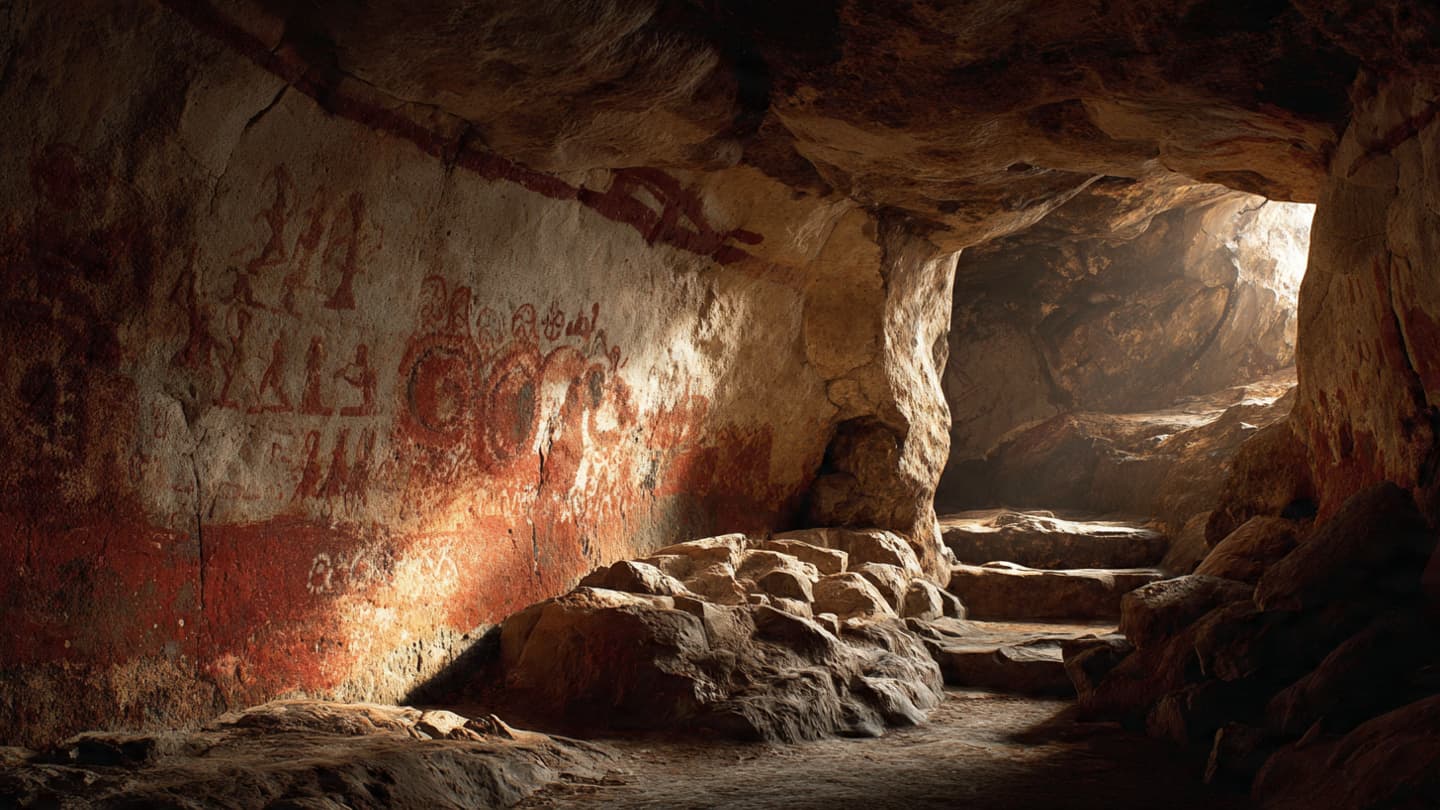
AI Image Disclaimer: The accompanying illustration is AI-generated and intended solely to visualize the archaeological discovery described in this article.
Source Verification Check: Scientific American, BBC News, Archaeology Magazine, The Guardian
Published by Banx Network. This article is part of the Banx decentralized media programme, powered by the BXE token on the XRP Ledger.