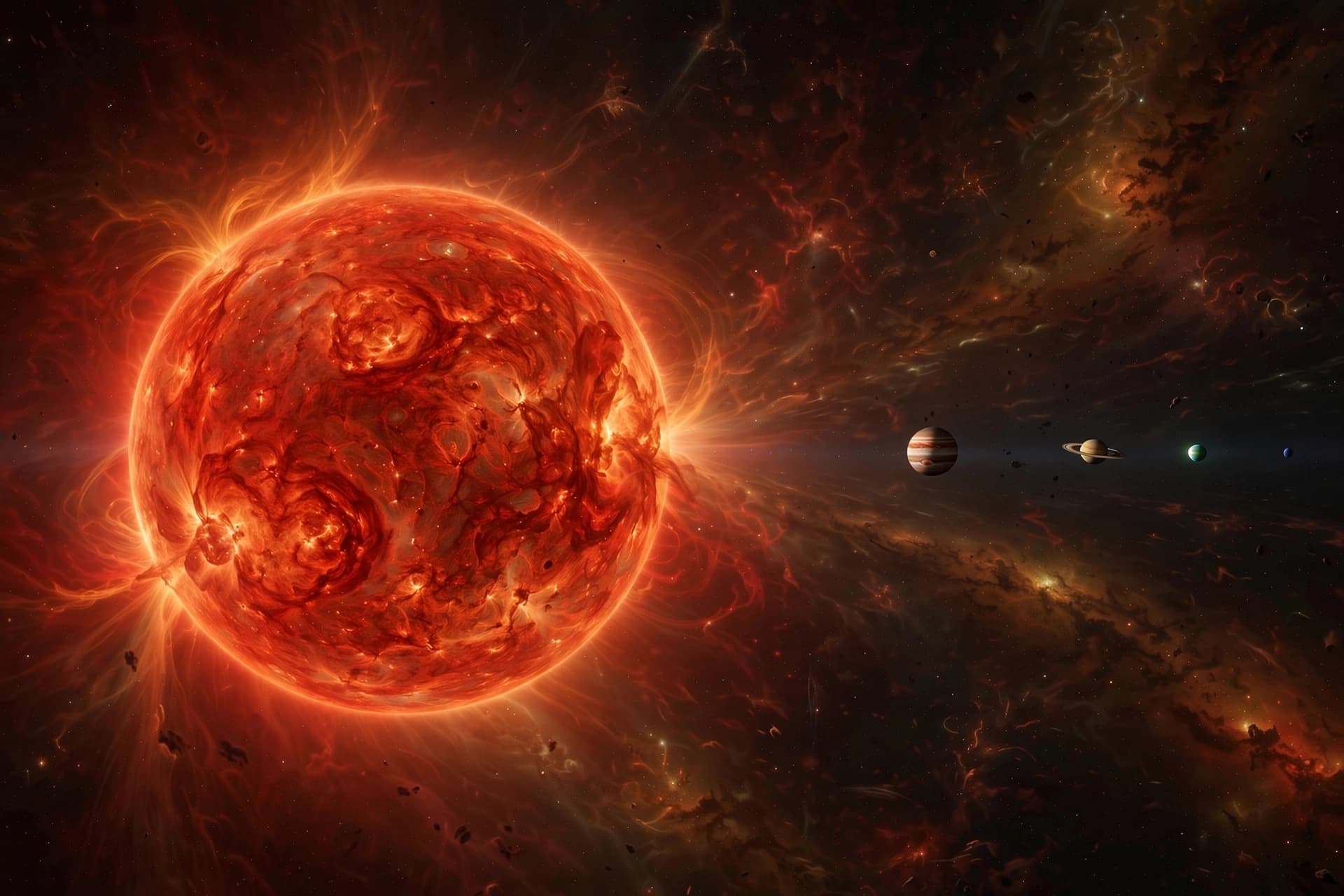
The Sun, often perceived as a steady source of light and warmth, is in reality a dynamic and shifting sphere of plasma, constantly reshaped by magnetic forces. At times, this activity becomes especially intense, sending bursts of energy across the solar system in dramatic displays known as solar flares.
Recent observations from space weather monitoring agencies report that the Sun produced three significant solar flares within a span of less than 24 hours. These eruptions are part of a larger cycle of solar activity that influences conditions throughout the heliosphere.
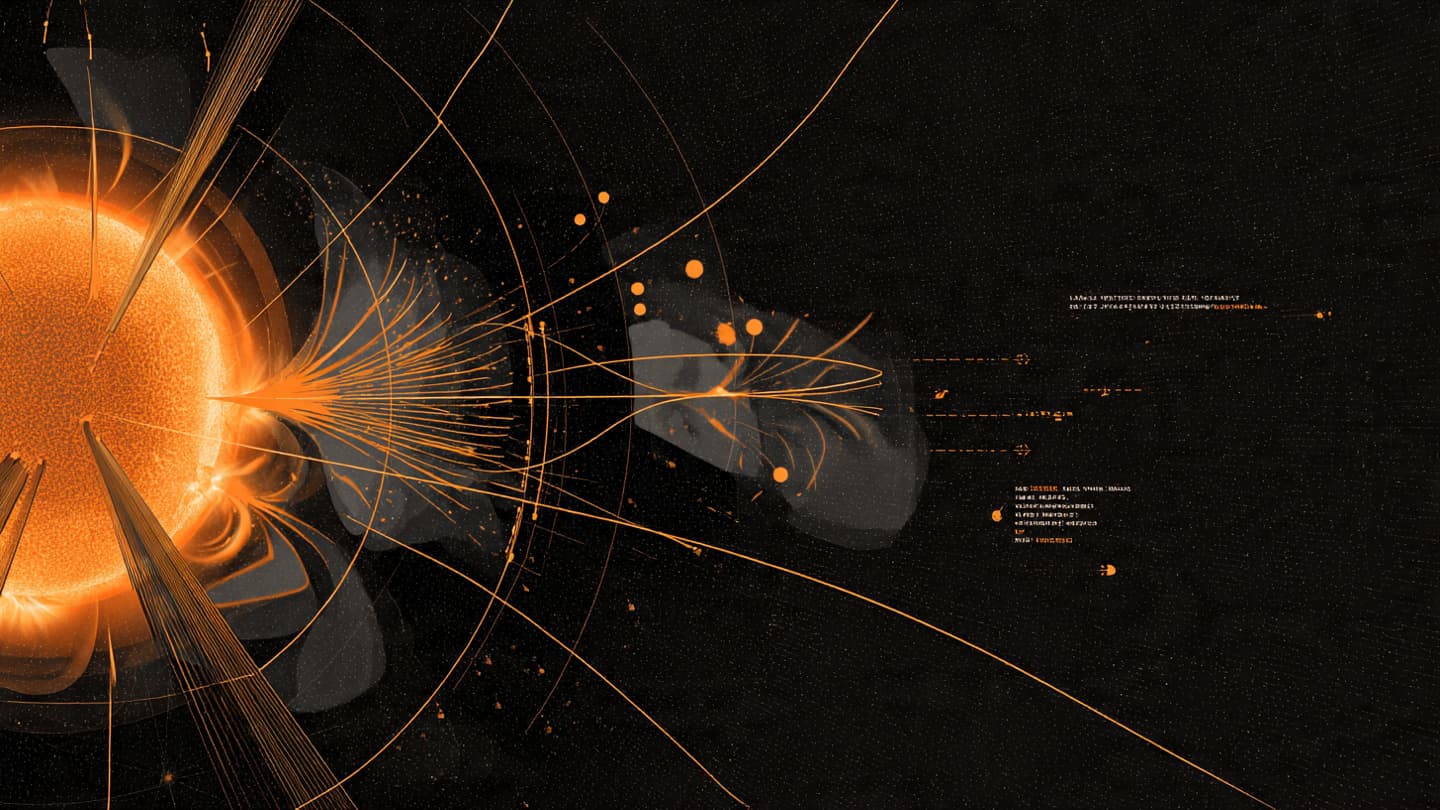
Solar flares occur when magnetic energy built up in the Sun’s atmosphere is suddenly released. This process accelerates particles and emits radiation across multiple wavelengths, sometimes affecting communication systems and satellite operations near Earth.
The recent flares have also increased the likelihood of auroral activity, commonly known as the northern lights in the Northern Hemisphere. When solar particles interact with Earth’s magnetic field, they create luminous displays in the upper atmosphere, often visible near polar regions.
Scientists note that multiple flares in a short period can indicate an active region on the Sun’s surface where magnetic fields are particularly unstable. These regions are closely monitored to better understand solar behavior and potential impacts on space weather.
While such events can produce stunning visual phenomena on Earth, they also serve as reminders of the Sun’s influence on modern technological systems. Satellites, navigation tools, and power infrastructure can all be affected by intense solar activity.
Researchers continue to track the evolution of the active solar region responsible for these flares, using data from space-based observatories to forecast potential further eruptions.
As the Sun moves through its natural cycle of activity, scientists expect periods of both calm and heightened energy to continue shaping space weather conditions in the weeks ahead.
AI Image Disclaimer: This article includes AI-generated imagery created for illustrative representation of solar phenomena.
Source Verification Check: NASA Space Weather, NOAA Space Weather Prediction Center, ESA, Space.com, BBC Science
Published by Banx Network. This article is part of the Banx decentralized media programme, powered by the BXE token on the XRP Ledger.