Global commerce often resembles a vast river system, flowing across borders, adapting to obstacles, and finding new channels when old routes become difficult. In recent years, that river has encountered wars, diplomatic disputes, and economic uncertainty, yet it continues to move.
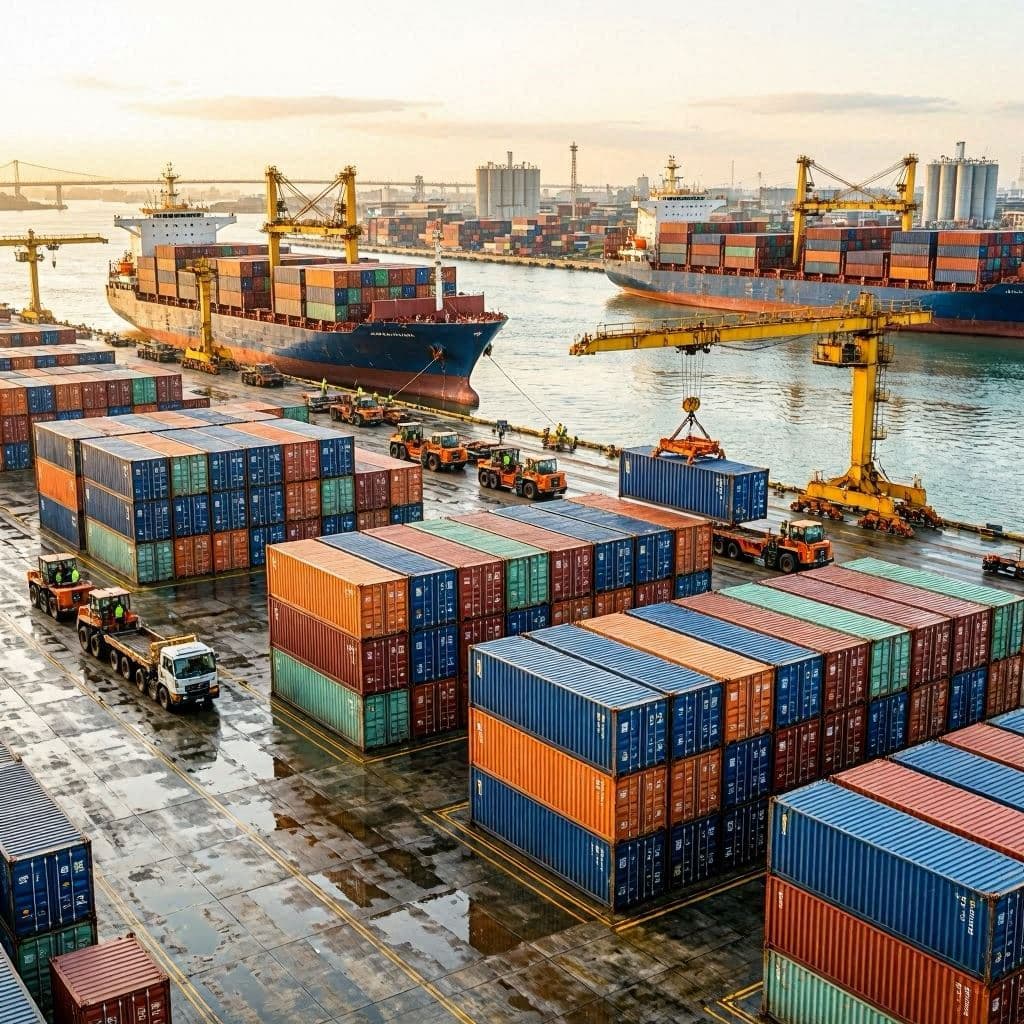
Recent economic assessments indicate that global trade has remained relatively resilient despite increasing geopolitical tensions. While conflicts and diplomatic frictions have created new challenges, international commerce continues to expand in several sectors, supported by strong demand for technology, energy, and manufactured goods.
Economists note that businesses have become increasingly adaptable following years of disruption caused by the pandemic, regional conflicts, and supply chain interruptions. Many companies have diversified suppliers and adjusted logistics networks to reduce vulnerability.
Trade flows involving digital technologies, artificial intelligence infrastructure, and renewable energy components have shown particularly strong growth. These sectors are increasingly shaping the future direction of international commerce.
At the same time, geopolitical concerns remain significant. Ongoing conflicts, sanctions, and strategic competition among major powers continue to influence investment decisions and trade patterns across multiple regions.
Several multinational corporations have adopted what analysts describe as a "de-risking" strategy. Rather than fully withdrawing from certain markets, companies are spreading production and sourcing activities across a wider range of countries.
International organizations continue to emphasize the importance of open markets and predictable trade rules. Policymakers argue that stable trading relationships can help support economic growth even during periods of political tension.
Nevertheless, experts caution that resilience should not be mistaken for immunity. Unexpected geopolitical developments could still disrupt transportation corridors, energy supplies, or financial markets.
For now, global trade appears to be demonstrating an enduring capacity to adapt. As history has often shown, commerce tends to seek continuity, even when the broader political landscape remains uncertain.
AI Image Disclaimer: Certain images presented alongside this report are AI-generated visual interpretations intended for illustrative use only.
Source Verification Check: Reuters, Financial Times, Bloomberg, World Trade Organization, The Economist
Published by Banx Network. This article is part of the Banx decentralized media programme, powered by the BXE token on the XRP Ledger.