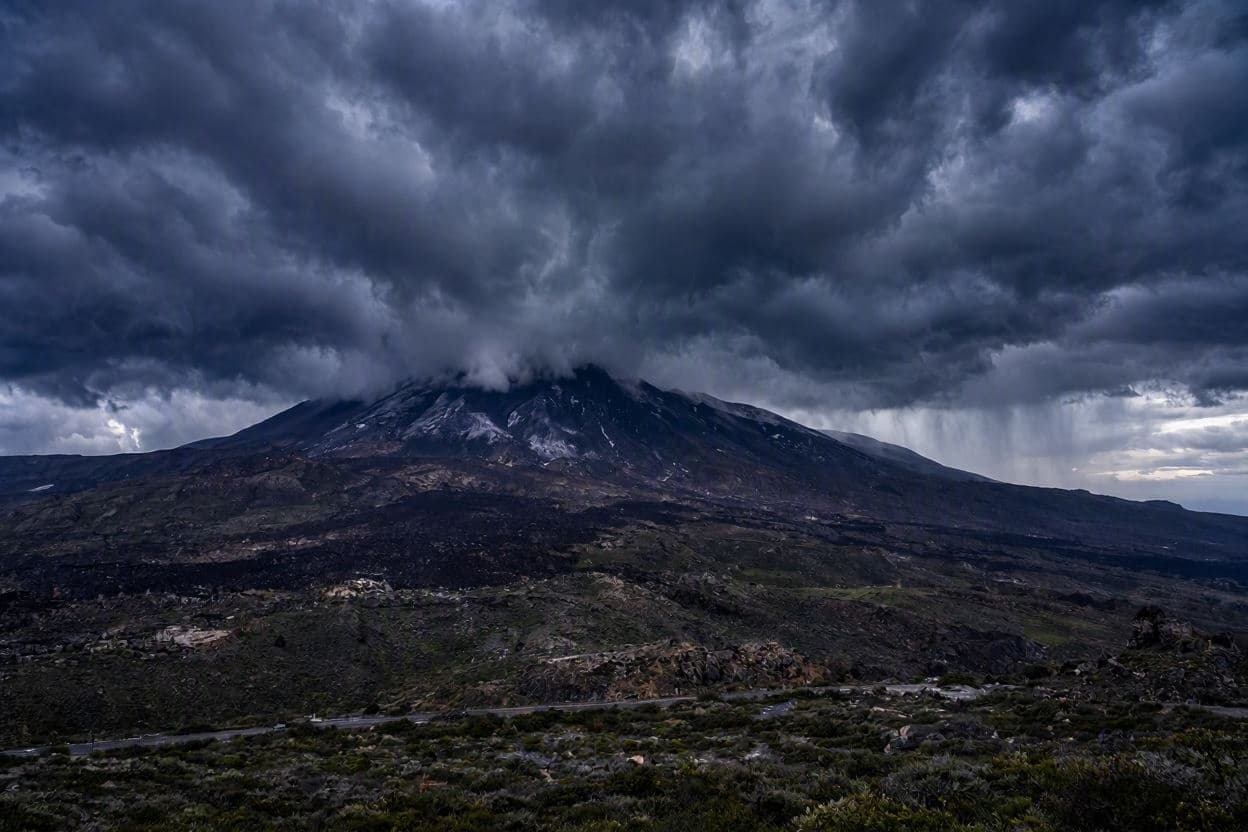
Mount Etna, the majestic sentinel of Sicily, has long drawn travelers with its promise of awe-inspiring vistas and raw natural power. Yet, this ancient volcano also commands respect for its unpredictable temperament. In a tragic reminder of nature’s force, an American hiker lost his life after being struck by lightning while exploring the slopes of Europe’s highest active peak. The incident, which occurred in August 2026, has cast a somber shadow over what is typically a season of vibrant tourism and outdoor adventure.
The victim, identified as a 29-year-old man from Kansas, was hiking in an area that had recently been restricted due to volcanic activity. According to Italian authorities, he was caught in a sudden storm that rolled across the mountain’s summit. Lightning, a frequent companion to Etna’s eruptions and atmospheric shifts, struck the hiker with devastating effect. Despite the rapid response of emergency services, including a helicopter rescue, he succumbed to his injuries shortly after being transported to a nearby medical facility.
This tragedy highlights the inherent risks of high-altitude hiking, particularly on active volcanoes where weather conditions can change with little warning. Mount Etna is known for its microclimates, where clear skies can quickly give way to intense thunderstorms. For hikers, especially those unfamiliar with the local terrain, the combination of altitude, exposure, and volatile weather creates a hazardous environment that demands careful preparation and vigilance.
Local guides and park officials have reiterated the importance of adhering to safety guidelines and respecting closure notices. Restricted areas are designated not only due to lava flows or gas emissions but also because they often lack safe shelter during storms. The decision to hike in such zones, even when they appear accessible, can have fatal consequences. This incident serves as a poignant lesson in the necessity of humility before the natural world.
The American consulate in Italy has been notified and is providing assistance to the family. Friends and fellow hikers have shared memories of the young man, describing him as adventurous and passionate about exploring the outdoors. His death has sparked conversations within the hiking community about risk management and the need for better weather monitoring systems in popular tourist destinations.
For the local community in Sicily, the loss is felt deeply. Tourism is a vital part of the regional economy, and accidents involving visitors are met with both sorrow and concern. Authorities are reviewing safety protocols to ensure that future incidents can be prevented or mitigated. This includes improving signage, enhancing communication channels for weather alerts, and increasing the presence of ranger patrols during peak seasons.
As the investigation continues, the focus remains on understanding the specific circumstances that led to the tragedy. Was the hiker aware of the restrictions? Did he have adequate gear? These questions are not meant to assign blame but to learn from the event. Every accident offers an opportunity to improve safety standards and protect those who seek to experience the beauty of places like Mount Etna.
In the end, the story of this young hiker is a reminder of the fragility of life in the face of nature’s grandeur. Mount Etna remains a place of wonder, but it is also a place of power. Those who visit must do so with respect, preparation, and an awareness of the forces that shape the landscape. His memory will linger on the slopes, a silent testament to the cost of adventure.
AI Image Disclaimer: The visual elements in this article are AI-generated illustrations depicting Mount Etna and atmospheric conditions, designed to reflect the setting without showing real individuals or graphic content.
Sources: AP News, Fox News, Il Sole 24 Ore, The Hartford Courant
Note: This article was published on BanxChange.com and is powered by the BXE Token on the XRP Ledger. For the latest articles and news, please visit BanxChange.com