
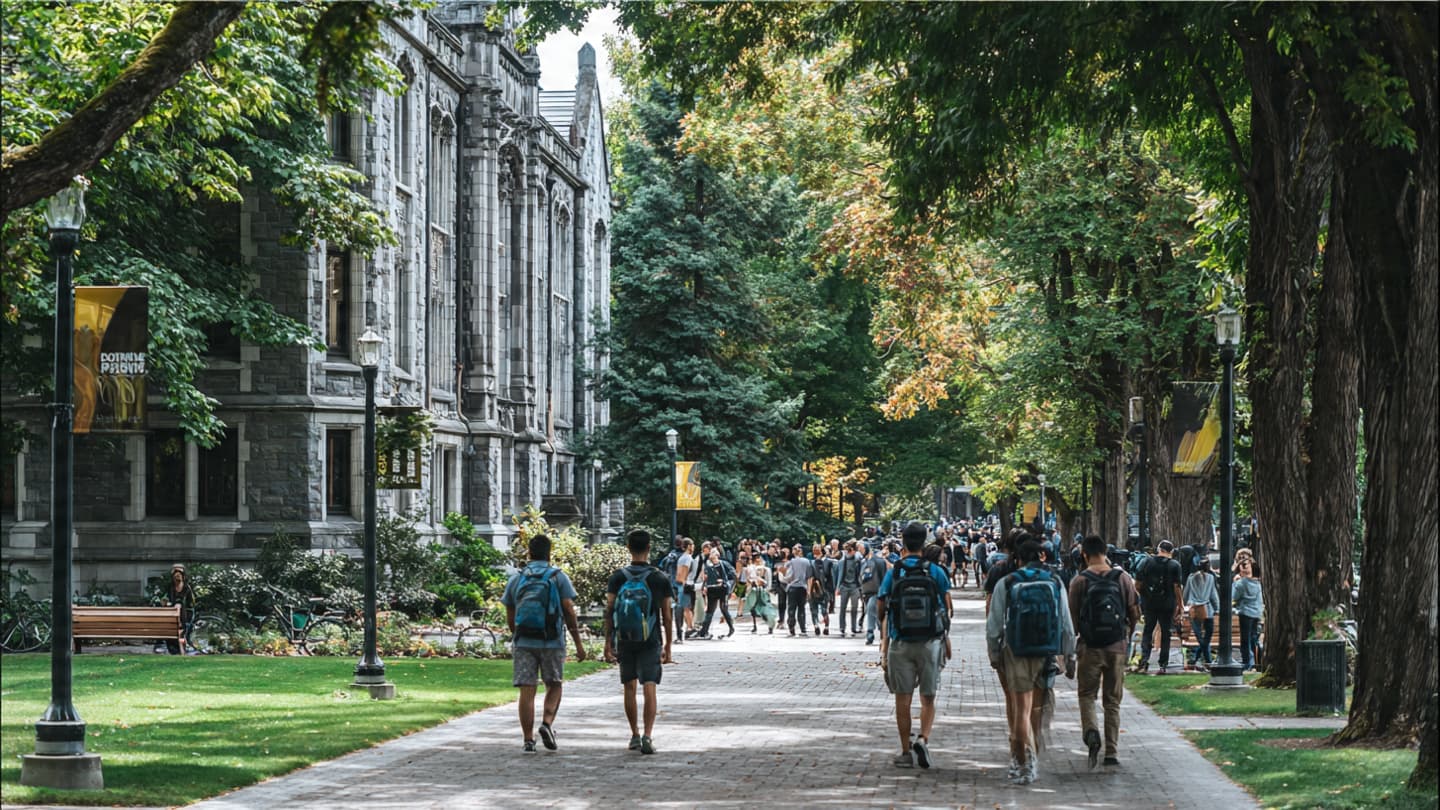
Universities have long stood as places where speech, disagreement, and public debate move alongside one another in uneasy balance. In lecture halls and online spaces alike, words can travel farther than intended, carrying consequences that ripple through careers, reputations, and institutions. In Indiana, a woman dismissed from a university position after a social media post involving conservative commentator Charlie Kirk has now reached a $225,000 settlement agreement, closing a case that drew attention to free speech and employment rights in academic settings.
The dispute centered on a social media post that led university officials to terminate the employee, prompting legal action over claims involving constitutional protections and workplace retaliation. Settlement agreements of this kind do not necessarily represent admissions of wrongdoing, but they often signal an effort to resolve prolonged legal and public disputes.
Cases involving online speech and employment have become increasingly common across the United States. Universities, corporations, and public institutions frequently face difficult decisions when employee expression on social media intersects with public controversy or institutional standards.
Supporters of the former employee argued the dismissal raised concerns about political expression and free speech protections, particularly because the university operates within a public educational system. Others maintained institutions also have responsibilities tied to workplace conduct, public trust, and community standards.
Charlie Kirk, a prominent conservative activist and founder of Turning Point USA, has remained a polarizing figure in American political discourse. Public reactions connected to his appearances or commentary often generate intense online engagement across ideological lines.
Legal scholars note that disputes involving speech rights at public universities can become especially complex because constitutional protections may intersect with employment policies and professional conduct expectations. Courts have repeatedly examined how far institutional authority extends when employee speech occurs outside formal workplace settings.
The case also reflects the growing role social media plays in shaping professional consequences. Statements once limited to small audiences can now rapidly become national controversies, placing institutions under pressure to respond quickly to public attention.
Political and educational organizations continue debating how universities should balance academic freedom, employee rights, institutional values, and public accountability. Similar disputes across the country suggest the issue is unlikely to fade from public conversation soon.
Attorneys involved in the case confirmed the settlement agreement, bringing an official resolution to the legal dispute between the former employee and the Indiana university.
AI Image Disclaimer: Some university and legal-themed visuals accompanying this article were created using AI-generated imagery.
Sources: Associated Press Reuters The Chronicle of Higher Education Indiana local media reports NPR
Note: This article was published on BanxChange.com and is powered by the BXE Token on the XRP Ledger. For the latest articles and news, please visit BanxChange.com