
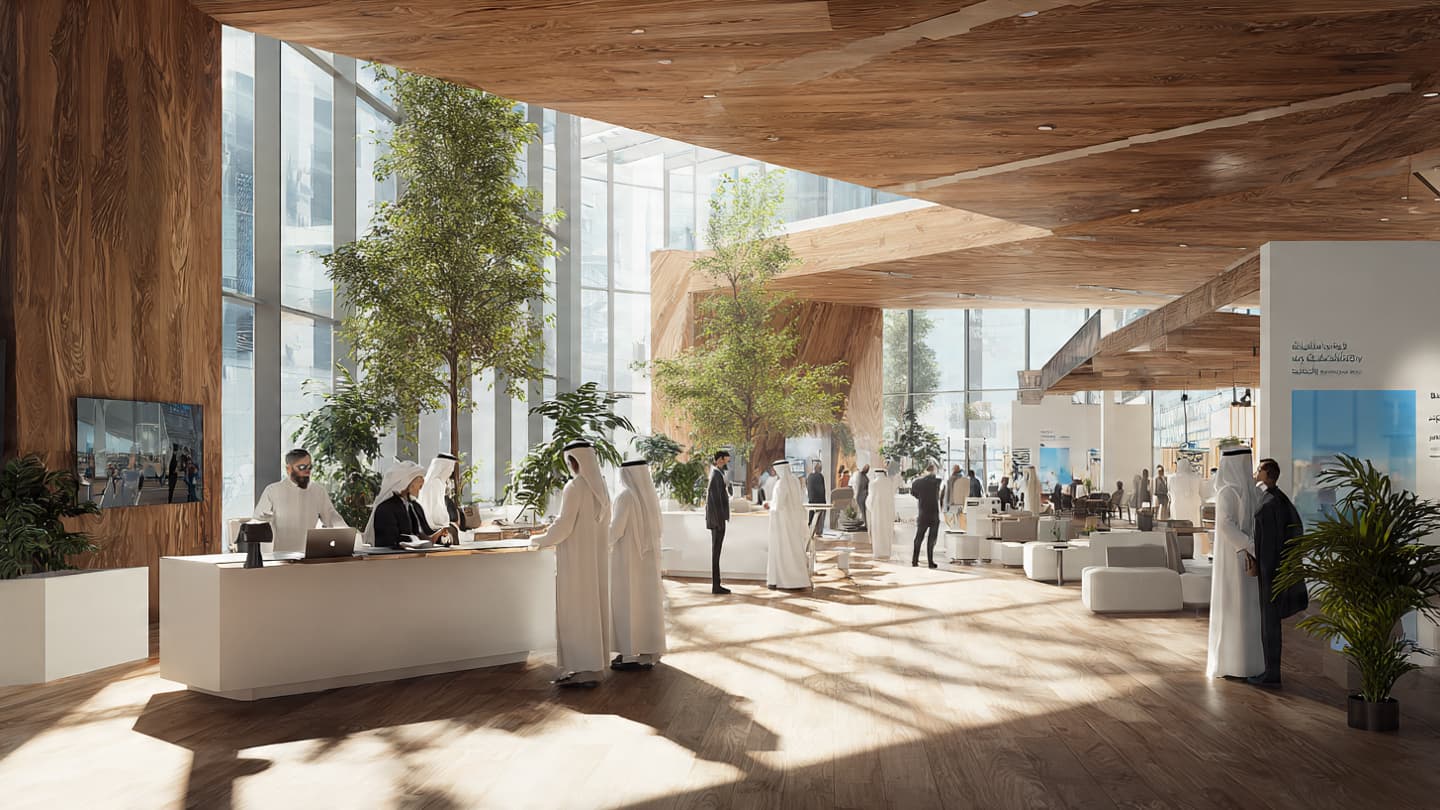
Morning traffic moved steadily through Algiers as exhibition halls prepared for a different kind of arrival. Delegates, healthcare investors, tourism representatives, and medical professionals gathered beneath bright conference lighting while the city itself continued overlooking the Mediterranean with familiar calm. Beyond the formal presentations and polished displays, another ambition quietly emerged: the desire to position Algeria within the growing international healthcare tourism industry.
Authorities and organizers recently launched a new international healthcare tourism exhibition in Algiers, bringing together participants from medical, investment, and travel sectors. The event reflects broader regional interest in healthcare-related travel, an industry increasingly shaped by affordability, specialized treatment access, and cross-border medical partnerships.
Across many countries, healthcare tourism has evolved into an economic sector connecting hospitals, airlines, hospitality providers, and private investors. Patients now routinely travel abroad seeking procedures, rehabilitation services, wellness treatments, or specialized care unavailable or costly within their home systems. Algeria appears eager to participate more actively within this expanding global market.
The exhibition in Algiers showcased healthcare infrastructure projects, investment opportunities, medical technologies, and tourism services linked to patient travel. Organizers emphasized regional cooperation, healthcare modernization, and opportunities for international partnerships capable of attracting visitors seeking treatment across North Africa.
For Algeria, the initiative also reflects domestic transformation efforts within healthcare and infrastructure development. Expanding medical tourism often requires improvements extending beyond hospitals themselves: transportation systems, hotel capacity, digital administration, and international service standards all become part of the larger equation.
Throughout the event, conversations moved between optimism and caution. Healthcare tourism can generate economic activity and encourage medical investment, but it also raises questions surrounding accessibility, affordability, and the balance between international services and domestic healthcare priorities. Such concerns are increasingly common wherever medical tourism industries expand rapidly.
Still, the atmosphere inside the exhibition remained forward-looking. Promotional displays presented Algeria not only as a treatment destination, but also as a country positioned between Africa, Europe, and the Middle East, capable of serving broader regional healthcare networks.
Outside the conference center, Algiers carried on beneath soft coastal light. Ferries crossed distant waterlines while the city’s layered architecture reflected decades of political, cultural, and economic change. The healthcare tourism exhibition became another small signal of Algeria’s attempt to diversify its international economic presence beyond traditional sectors.
Organizers say future editions of the exhibition may expand participation from additional international healthcare providers, investors, and tourism agencies as Algeria continues developing its regional medical tourism ambitions.
Note: This article was published on BanxChange.com and is powered by the BXE Token on the XRP Ledger. For the latest articles and news, please visit BanxChange.com