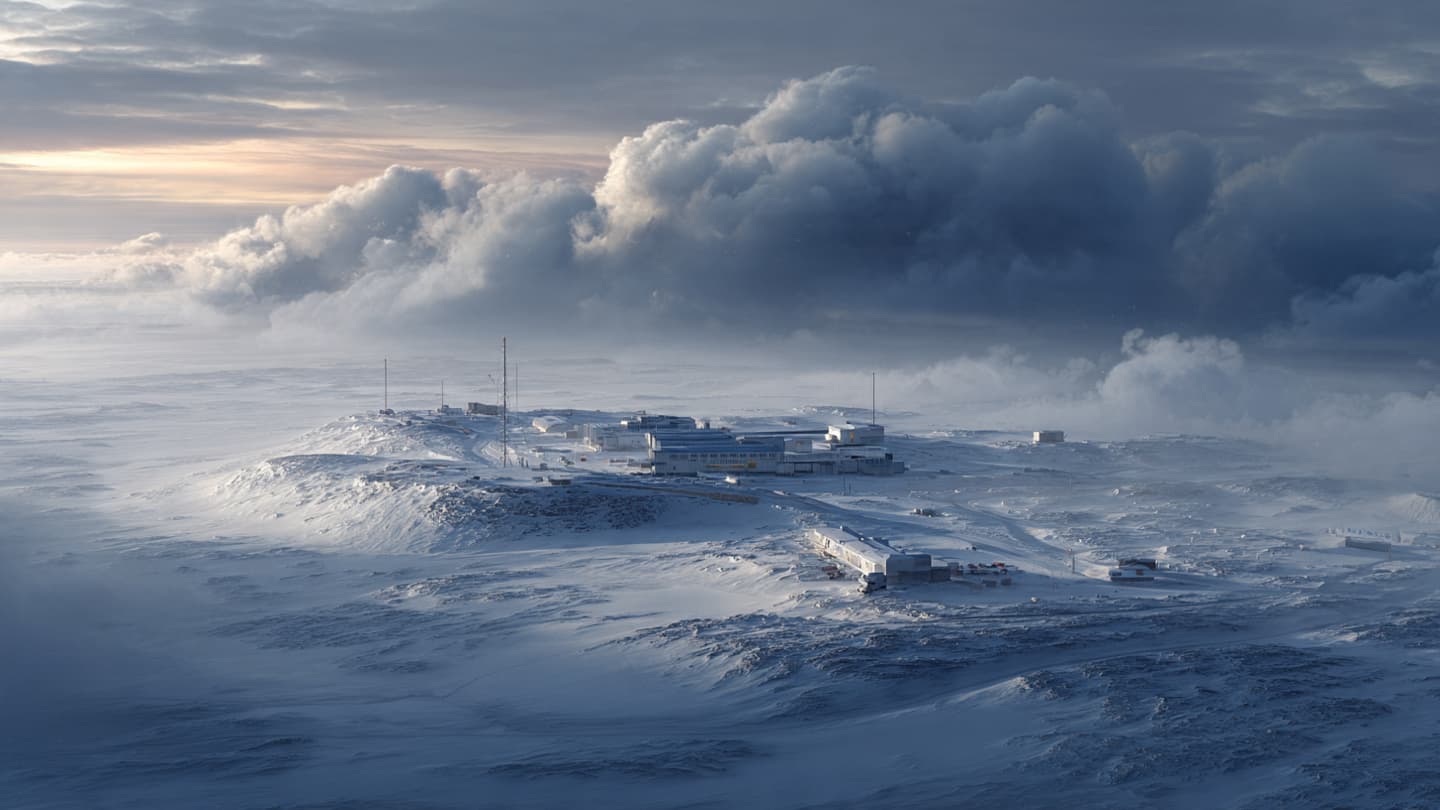
In the long northern twilight, where the sea carries sheets of drifting ice and the horizon seems to dissolve into silver light, conversations about power often arrive softly. In Greenland, life moves with the weather, with fishing routes, with the long patience demanded by Arctic seasons. Yet even here, far from the crowded capitals of the world, global attention has begun gathering again around the island’s quiet harbors and mineral-rich ground.
This week, Jeff Landry visited Greenland and remarked that Greenlanders “love and embrace the United States,” adding another layer to the growing American fascination with the Arctic territory. His comments arrived amid broader strategic interest from Washington in Greenland’s geography, natural resources, and expanding role within Arctic security discussions.
The visit carried the atmosphere of diplomacy mixed with symbolism. American officials and politicians have increasingly turned their gaze northward in recent years, viewing Greenland not only as a remote landmass beneath polar skies but as a critical point in the evolving architecture of global trade routes, military positioning, and resource competition. Melting Arctic ice has gradually altered shipping possibilities, while rare earth minerals buried beneath Greenland’s terrain have drawn interest from governments and corporations alike.
For Greenlanders themselves, however, these external ambitions often intersect with more intimate questions of identity, autonomy, and daily life. The island remains a self-governing territory within the Kingdom of Denmark, though conversations about eventual independence have quietly persisted for years. In towns scattered along rocky coastlines, debates about foreign investment and strategic partnerships are often tied to concerns over preserving culture, environment, and political self-determination.
Landry’s remarks echoed a longer American history with Greenland. During the Second World War and throughout the Cold War, the United States deepened its military presence in the Arctic, most notably through Pituffik Space Base — formerly known as Thule Air Base — which remains a significant component of U.S. missile warning and defense systems. The relationship between Greenland and the United States has therefore long existed in a space somewhere between cooperation and strategic calculation.
The memory of earlier American interest still lingers as well. In 2019, Trump-era discussions about the possibility of purchasing Greenland startled European diplomats and Greenlandic leaders alike, transforming what many had viewed as distant geopolitical curiosity into a global political spectacle. Though the proposal faded, it left behind a renewed awareness of Greenland’s rising importance in international affairs.
Now, amid intensifying competition in the Arctic involving the United States, Russia, and China, the island once again occupies a larger space within strategic conversations. American officials have emphasized partnerships, investment, and regional cooperation, while Greenland’s leaders continue balancing outside attention with local priorities.
There is also a cultural dimension beneath the diplomacy. Many Greenlanders maintain longstanding educational, economic, and personal ties with both Denmark and North America. American media, military presence, and tourism have all left subtle impressions over decades, particularly in communities near strategic installations. Yet affection for the United States, where it exists, coexists with caution about becoming merely another arena for great-power rivalry.
In Nuuk, fishing boats still return through cold evening waters while children cross snow-lined streets beneath soft Arctic light. The rhythms of ordinary life continue even as politicians and strategists speak in the language of security corridors, mineral access, and geopolitical influence. Such contrasts often define Greenland’s modern story: a vast landscape where local realities unfold beneath the attention of distant powers.
Landry’s comments may ultimately fade into the broader stream of political rhetoric, but they reflect a larger truth about the Arctic today. Places once considered remote are becoming increasingly central to global calculations. As climate patterns shift and international competition moves northward, Greenland’s silence has become harder for the world to ignore.
And so the island remains suspended between ice and diplomacy, between ancient landscapes and modern ambition — a place where global powers arrive carrying visions of strategy, while local communities continue measuring time by weather, sea, and the slow turning light of the Arctic sky.
AI Image Disclaimer: Illustrations were generated with AI tools to visually accompany the themes and locations discussed in this article.
Sources:
Reuters Associated Press BBC The New York Times Arctic Council Reports
Published by Banx Network. This article is part of the Banx decentralized media programme, powered by the BXE token on the XRP Ledger.