
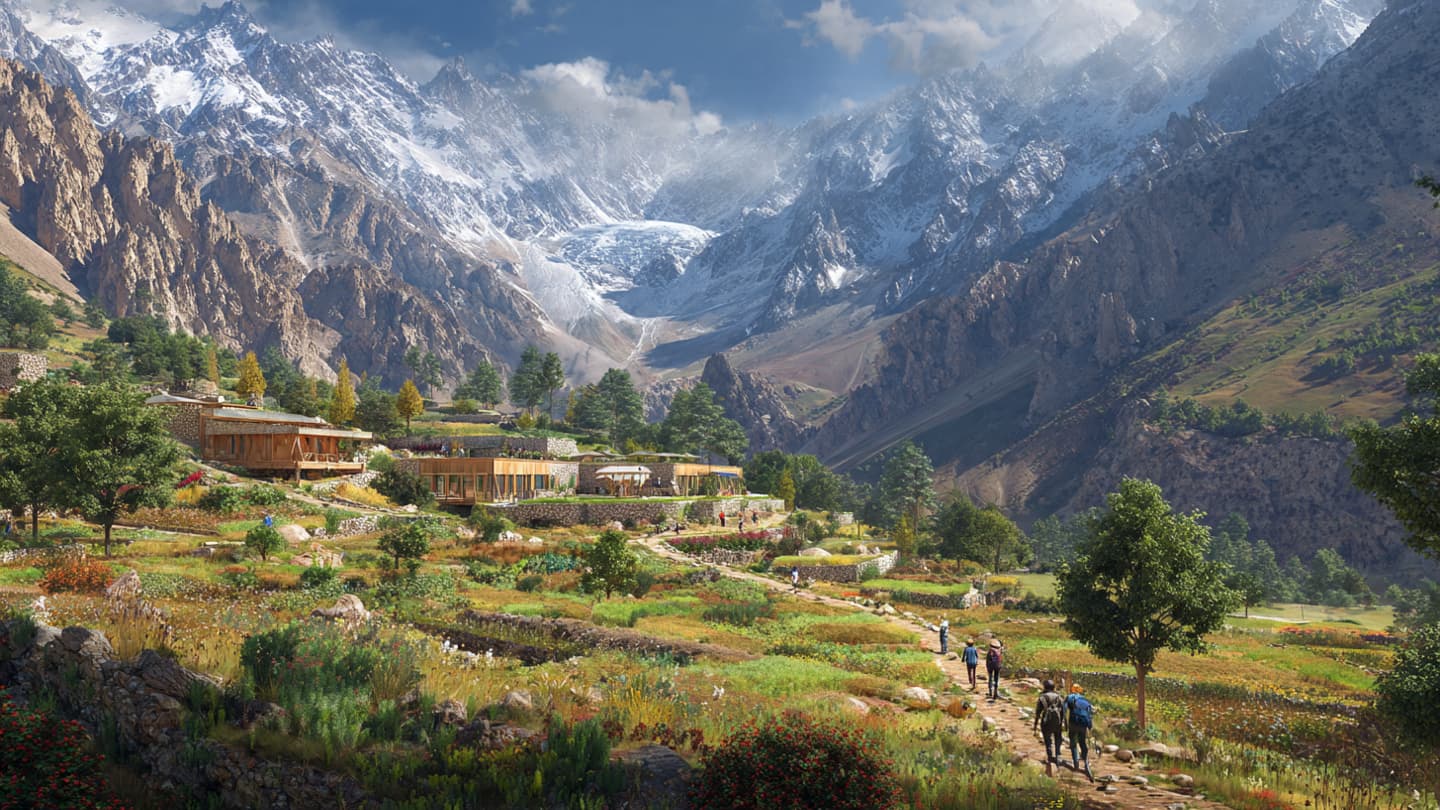
The roads linking Central Asia have always carried more than commerce. Caravans once crossed mountains and deserts carrying languages, traditions, and memory between distant regions. Today, those same routes are being reconsidered once again — not only as historical pathways, but as foundations for a different kind of tourism shaped by sustainability rather than speed alone.
Tajikistan has been included in expanding regional sustainable tourism strategies aimed at strengthening environmentally responsible travel across Central Asia. International organizations and tourism agencies continue promoting cooperative approaches designed to balance visitor growth with environmental preservation and cultural protection.
The initiative reflects broader efforts to position Central Asia as an interconnected tourism region rather than a collection of isolated destinations. Tajikistan’s mountain landscapes, eco-tourism potential, and Silk Road heritage routes have become important components within these regional strategies.
Sustainable tourism planning increasingly focuses on protecting fragile ecosystems while supporting local economies. In Tajikistan, many tourism initiatives involve small-scale guesthouses, community-led travel programs, environmental education, and low-impact outdoor tourism across mountain regions vulnerable to environmental stress.
International tourism observers note that global travel trends are shifting toward destinations emphasizing nature, cultural authenticity, and responsible travel practices. Central Asia’s relatively undeveloped tourism infrastructure has therefore created opportunities to design future growth more carefully than in heavily commercialized regions elsewhere.
Yet sustainability remains difficult to achieve without long-term coordination. Transportation systems, environmental regulations, waste management infrastructure, and conservation policies vary significantly across Central Asian countries. Experts continue emphasizing the importance of regional cooperation in maintaining ecological balance while expanding tourism access.
For Tajikistan, participation in broader tourism networks also carries economic significance. Tourism provides income opportunities for rural communities where employment options remain limited, particularly in remote mountain regions dependent on agriculture and seasonal migration patterns.
Still, much of Tajikistan’s tourism identity continues resting in its atmosphere of distance and scale. Travelers arrive seeking landscapes that feel untouched by mass development — mountain roads stretching beyond visible horizons, isolated villages, and valleys shaped more by nature than commercial infrastructure.
Regional tourism organizations and development agencies are expected to continue expanding sustainable tourism frameworks throughout 2026 as Tajikistan strengthens its role within Central Asia’s evolving travel economy.
Note: This article was published on BanxChange.com and is powered by the BXE Token on the XRP Ledger. For the latest articles and news, please visit BanxChange.com