
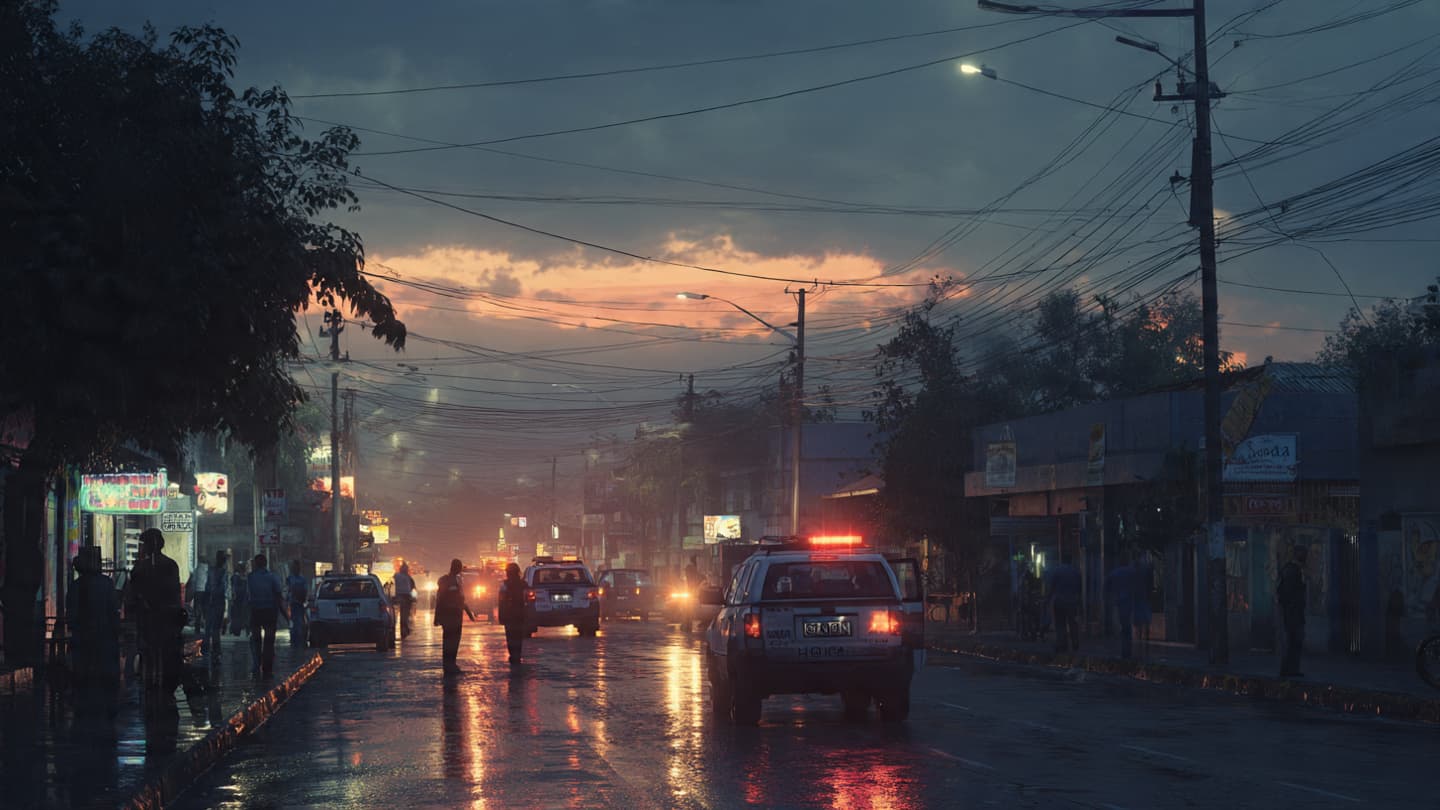
Night often arrives quietly over Managua, folding itself across crowded intersections and dim storefronts where conversations drift beneath the hum of traffic. Yet beneath the familiar rhythm of the capital, another current has begun moving through the streets with growing unease. Security warnings issued in recent days have cast a longer shadow over neighborhoods once carried by ordinary routine, reminding residents and travelers alike how quickly calm can feel uncertain.
In markets where fruit vendors still arrange bright piles beneath corrugated roofs, people now speak more softly about movement after dark. Taxi drivers glance twice into mirrors. Shopkeepers close earlier than before. The city continues breathing, but with a measured caution that settles into evening air like distant thunder waiting somewhere beyond the hills.
Recent advisories from international authorities have pointed to rising concerns surrounding armed robberies and opportunistic violent crime throughout Managua and surrounding urban districts. Reports describe incidents involving theft at gunpoint, assaults targeting pedestrians, and robberies occurring near transportation hubs and commercial areas. Officials have urged visitors to remain alert, especially during nighttime travel and in less populated streets.
The warnings arrive during a season already shaped by economic pressure and social strain. In crowded districts near bus terminals, small businesses continue operating despite anxiety spreading among workers and commuters. Many residents describe a growing dependence on informal neighborhood watch systems, where families and nearby shop owners quietly monitor one another’s safety.
Travel advisories from multiple governments have recommended avoiding isolated areas after sunset and limiting visible valuables in public spaces. Authorities have also encouraged travelers to use authorized transportation services rather than unregulated taxis. Though no citywide emergency has been declared, the tone of recent alerts reflects increasing concern surrounding unpredictable criminal activity.
For Managua, the warnings feel layered upon a city long familiar with contrasts. Morning sunlight still spills across public squares, and roadside cafés continue filling with conversation and music. Yet caution now accompanies ordinary movement. Parents wait longer for children returning home. Storefront shutters close with heavier urgency as darkness approaches.
Police patrols have reportedly increased in several districts, particularly near commercial corridors and tourist areas. Security checkpoints and visible law enforcement presence have become more common in response to robbery concerns. Officials continue urging residents to report suspicious activity while emphasizing preventive measures rather than broad restrictions.
Beyond the capital, regional authorities are also monitoring criminal activity tied to transportation routes connecting neighboring border regions. Analysts suggest economic instability and smuggling networks may contribute to broader security pressures affecting urban centers throughout the country.
Even so, Managua continues forward beneath the restless weather of another humid season. Traffic still gathers beneath fading orange skies, and voices still echo through narrow streets lined with concrete walls and tangled power lines. But the city now moves with greater vigilance, carrying the quiet understanding that ordinary evenings no longer feel entirely ordinary.
Authorities in Nicaragua have not announced new nationwide emergency measures, though international travel advisories remain active. Security officials continue encouraging caution, especially within crowded urban districts and during nighttime travel.
Note: This article was published on BanxChange.com and is powered by the BXE Token on the XRP Ledger. For the latest articles and news, please visit BanxChange.com