The journey from the sweltering heat of the equator to the frozen silence of the poles is more than a geographical traverse; it is a passage through the very heartbeat of our planet’s climate system. As a new expedition prepares to embark on this epic voyage, the crew stands ready to document the changing face of Earth, from the vibrant biodiversity of tropical waters to the fragile ecosystems of the polar ice caps. This mission represents a concerted effort to understand the interconnectedness of global environments in an era of rapid change.
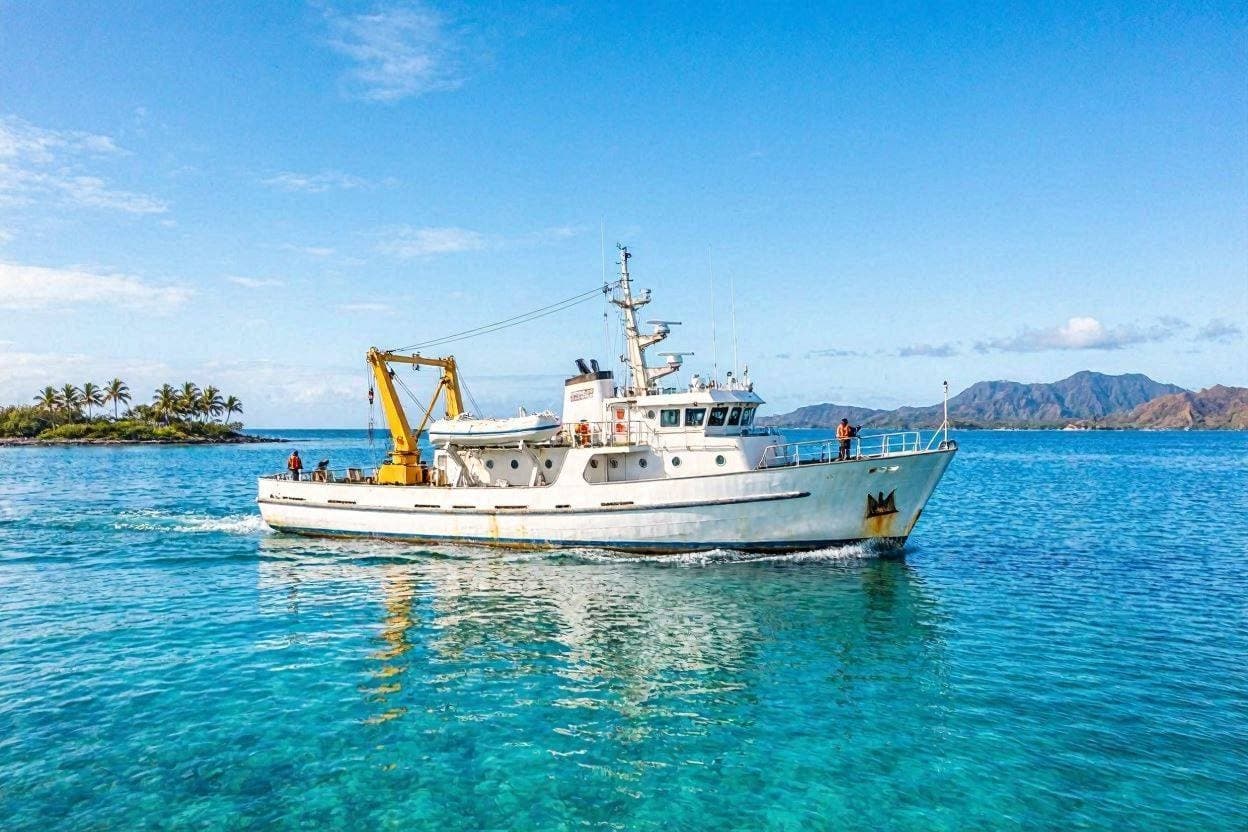
The vessel, equipped with state-of-the-art scientific instruments, will serve as a floating laboratory, hosting researchers from diverse disciplines. Oceanographers, biologists, and climatologists will work side by side, collecting data on water temperature, salinity, and marine life. Their goal is to create a comprehensive picture of how heat is distributed across the oceans and how it influences weather patterns and ice melt thousands of miles away.
Leaving the equator, the team will witness the lush richness of tropical reefs, where coral structures support a myriad of species. These underwater cities are sensitive indicators of ocean health, and their condition provides early warnings of broader ecological shifts. By studying these ecosystems, scientists hope to identify strategies for preservation and resilience in the face of rising sea temperatures.
As the ship moves toward higher latitudes, the landscape transforms dramatically. The warm blues of the tropics give way to the stark whites and greys of the polar regions. Here, the focus shifts to the ice sheets and glaciers, which are retreating at an alarming rate. Measuring the thickness and extent of this ice is crucial for predicting future sea-level rise and its impact on coastal communities worldwide.
The human element of the mission is equally significant. The crew, composed of experienced sailors and dedicated scientists, must adapt to extreme conditions and logistical challenges. Their collaboration exemplifies the spirit of international cooperation required to tackle global environmental issues. Each member brings unique expertise, contributing to a collective effort that transcends national boundaries.
Public engagement is a key component of the expedition. Through live updates and educational programs, the team aims to share their findings with a global audience. By bringing the realities of climate change into living rooms and classrooms, they hope to inspire action and foster a deeper connection to the natural world. Storytelling becomes a tool for advocacy, bridging the gap between data and public understanding.
The data collected during this journey will contribute to ongoing climate models, helping to refine predictions and inform policy decisions. It is a small but vital piece of the puzzle in understanding our planet’s complex systems. The insights gained may guide future conservation efforts and highlight areas requiring urgent protection.
Closing: As the expedition sets sail, it carries with it the hopes of a community committed to preserving our planet. The journey from equator to ice is a testament to the resilience of nature and the determination of those who seek to protect it.
AI Image Disclaimer: The visual content accompanying this article is AI-generated for illustrative purposes and does not depict actual footage of the expedition or specific vessels.
Sources: The Guardian Aurora Expeditions National Geographic BBC News
Published by Banx Network. This article is part of the Banx decentralized media programme, powered by the BXE token on the XRP Ledger.