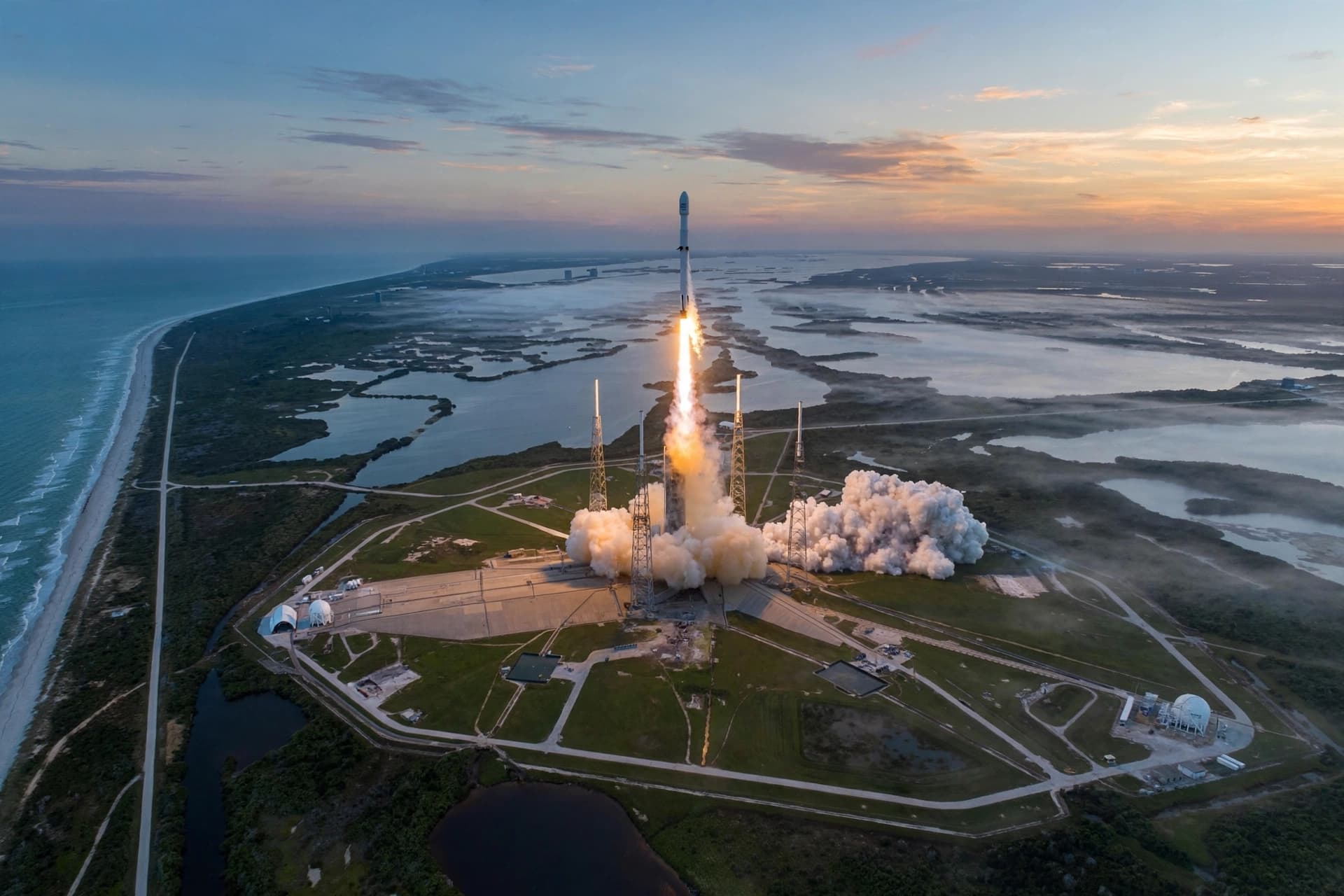
Space missions often resemble long voyages across an ocean without shores. Even after years of successful operation, spacecraft require careful navigation and occasional intervention to continue their scientific journeys safely.
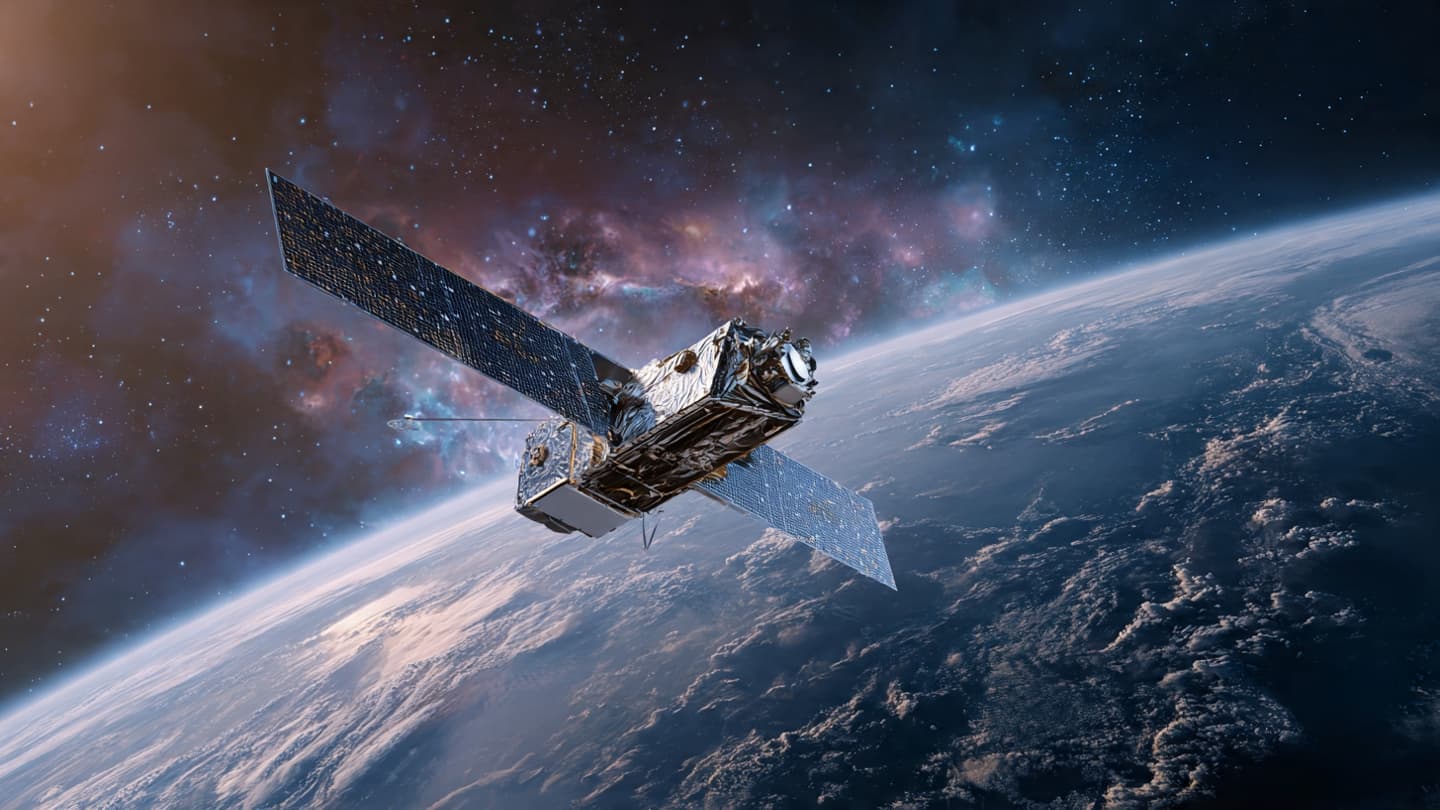
NASA engineers are preparing measures to extend the operational life of the Swift Observatory while preventing the spacecraft from experiencing an uncontrolled return to Earth's atmosphere. The effort reflects the growing importance of responsible spacecraft management in orbit.
Launched in 2004, the Neil Gehrels Swift Observatory has spent more than two decades studying gamma-ray bursts, black holes, neutron stars, and other energetic cosmic phenomena. The mission has contributed significantly to modern astrophysics.
Recent assessments indicated that the spacecraft's orbit has gradually declined due to atmospheric drag. Without corrective actions, Swift could eventually face an uncontrolled descent toward Earth.
Mission engineers are evaluating orbital adjustment strategies designed to raise or stabilize the observatory's altitude. Such maneuvers require precise calculations to ensure both spacecraft safety and mission continuity.
Space agencies increasingly prioritize orbital sustainability as Earth's orbital environment becomes more crowded. Aging satellites and space debris present growing challenges for satellite operators and international regulators.
Swift's scientific legacy remains substantial. Over the years, the observatory has detected thousands of high-energy astronomical events, enabling researchers to study some of the universe's most extreme environments.
Scientists continue to rely on Swift's rapid-response capabilities, particularly when observing transient phenomena that evolve quickly. Maintaining the spacecraft in operation could therefore provide additional scientific value.
NASA officials say planning efforts are ongoing, with engineers seeking solutions that maximize scientific returns while ensuring compliance with space sustainability principles.
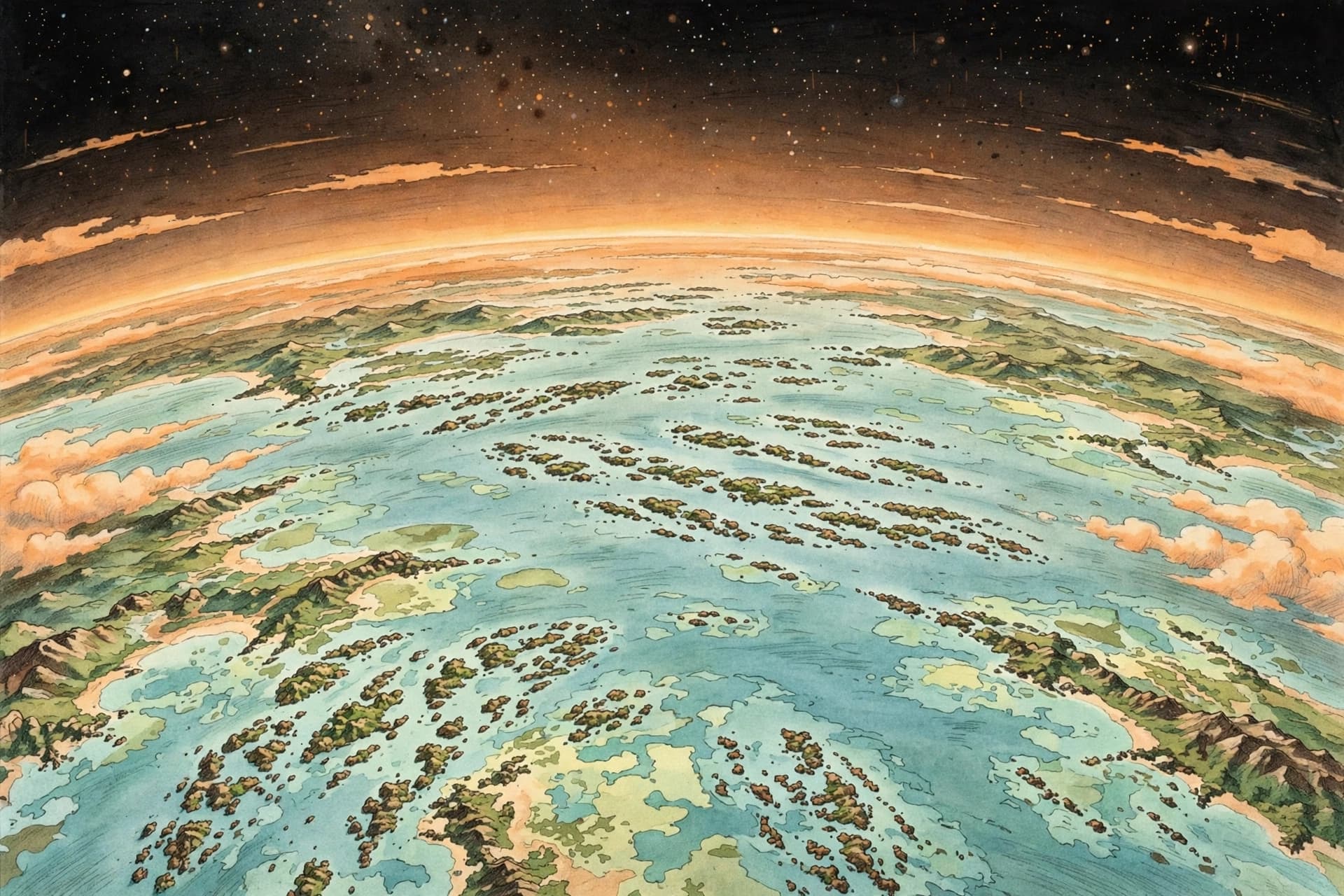
AI Image Disclaimer: Illustrations featured in this article are AI-generated and intended solely to depict scientific and engineering concepts.
Sources (verification check): NASA, EarthSky, SpaceNews, Science Daily
Published by Banx Network. This article is part of the Banx decentralized media programme, powered by the BXE token on the XRP Ledger.